Saturday, 29 December 2018

Diabetes type 2 - the 40p lunch to lower your chances of high blood sugar

From express.co.uk

DIABETES type 2 risk could be lowered by making some diet or lifestyle changes. You can slash your chances of high blood sugar symptoms and signs by eating this lunch every day.

Diabetes is a common condition that affects almost four million people in the UK.
Around 90 per cent of all cases are caused by type 2 diabetes - where the pancreas doesn’t produce enough insulin, or the body doesn’t react to insulin.
But making some diet or lifestyle swaps could help to prevent diabetes from developing.

One of the best ways to lower your blood sugar and reduce your risk of symptoms is to eat chicken noodle soup, it’s been claimed.

Chicken noodle soup is one of the best lunches for diabetes patients, said medical website Everyday Health.
The variety of vegetables, along with a small amount of carbohydrates is perfect for a diabetes diet, it said
The more vegetables in your soup, the better, as they’re packed full of healthy vitamins and minerals the body needs.
“For a warm and soothing snack, have a cup of chicken noodle soup,” said the medical website.
“In fact, any low-sodium, broth-based soup that contains a mix of veggies, protein, and a small amount of noodles or starchy carbs will fit the diabetes snack bill.
“Try turkey and wild rice or a savoury fish soup with a small amount of potato. Sip slowly for longer-lasting enjoyment.”

                    Diabetes type 2 diet: Prevent high blood sugar symptoms with chicken noodle soup
                                                         (Image: GETTY Images)

Health website Healthline added: “Soup is an easy make-ahead meal and a great way to add some nutritious and fibre-packed vegetables to your diet.
“For people with diabetes, the more vegetables you can eat, the better. Many vegetables are low in calories and carbs, which is a must-have for people with diabetes.”
You could also lower your risk of diabetes by eating wholegrain foods instead of white bread, bagels or muffins.
If you prefer a baked potato for lunch, try swapping butter and cheese for a reduced-fat spread, and reduced-salt baked beans.
A tuna salad sandwich on wholemeal bread is also a great option for people with high blood sugar, claimed LloydsPharmacy.

Controlling your blood sugar levels is crucial, as patients are more at risk of some deadly complications, including heart disease and strokes.
But, some people could have diabetes and not even know it, as the symptoms don’t necessarily make you feel unwell.
Common diabetes symptoms include passing more urine than normal, feeling very tired, and having blurred vision.
Speak to a doctor if you’re worried about the signs of diabetes, or if you think you may be at risk.
A quick blood test should be enough to reveal whether you have the condition.

https://www.express.co.uk/life-style/health/1064393/diabetes-diet-high-blood-sugar-symptoms-signs-chicken-noodle-soup

Skipping breakfast even once a week might increase risk of type 2 diabetes

From wsbtv.com

Many people consider breakfast to be the most important meal of the day, and perhaps that's for good reason. Skipping it might increase your type 2 diabetes risk, according to a new review of several studies.
After looking at a total of six studies involving over 96,000 people — 5,000 of whom had already been diagnosed with type 2 diabetes — German researchers found that skipping breakfast for just one day of the week was associated with a 6 percent higher risk of developing diabetes. However, the risk went up with each additional day, peaking at a 55 percent higher risk of diabetes after skipping breakfast for four to five days each week.
Breakfast is meant to “break the fast” after a night of sleep, registered dietitian Dalina Soto told ABC News. When you eat breakfast, it jump-starts the body's metabolism and changes the way it uses sugar. Rather than storing sugar in fat cells, the body begins using it for energy. As this sugar passes through the blood, the pancreas begins secreting the hormone insulin, which regulates blood sugar. In daily life, these processes make it easier for you to manage your appetite and hunger levels throughout the day.

Both types of diabetes make it difficult for the body to control the amount of sugar in the blood. But for type 2 diabetes, the most common form of diabetes, the body develops a resistance to insulin. When left unchecked by insulin, blood sugar levels rise to abnormally high levels, putting the patient at risk for complications affecting the heart, nerves, eyes and kidneys — due to a condition known as hyperglycaemia.
Previous research has found that obesity is a risk factor for type 2 diabetes. However, the meta-analysis found that a person's body mass index was only partly associated with diabetes risk in people who skipped breakfast. This suggests that there are other factors that play a role in diabetes risk, and that people of any weight might face an increased risk of diabetes if they skip breakfast.
Skipping breakfast has been linked to increased levels of cholesterol and inflammation in the blood, which can make the body more resistant to insulin and derail the body’s ability to regulate blood sugar, according to previous research. 
When eating breakfast, consider a balanced meal that’s high in fibre and low in added sugars and processed meats. Soto suggested oatmeal with milk and fruit or a veggie omelette with a side of whole grain toast. These meals will keep you full for longer and Soto said they are the perfect balance of carbohydrates, protein and fresh produce.

Naomi Kaplan is a resident physician in physical medicine and rehabilitation, and a member of the ABC News Medical Unit.


Wednesday, 26 December 2018

Diabetes Management: 5 Winter Foods To Manage Diabetes

From ndtv.com

Winter comes loaded with many fruits, vegetables and spices that are known to manage diabetes naturally and check blood sugar spikes.

Diabetes is currently afflicting millions across the globe and the numbers are only getting worse every passing minute. If the latest study carried by the Journal Lancet is to be believed, 98 million Indians would be diabetic by the year 2030. Your diet forms a key component of diabetes management. Fortunately, winter comes loaded with many fruits, vegetables and spices that are known to manage diabetes naturally and check blood sugar spikes. Here are some foods you must make the most of this winter season.

1. Guava
This winter favourite fruit is a storehouse of dietary fibres. Fibres take long to break down and digest, due to which the food does not metabolise immediately and prevent blood sugar spikes. Guavas also have a low Glycaemic Index. The Glycaemic Index (GI) is a relative ranking of carbohydrate in foods according to how they affect blood glucose levels. Diabetics are advised to include low glycaemic index foods (below 55) in diet to prevent untimely spikes.

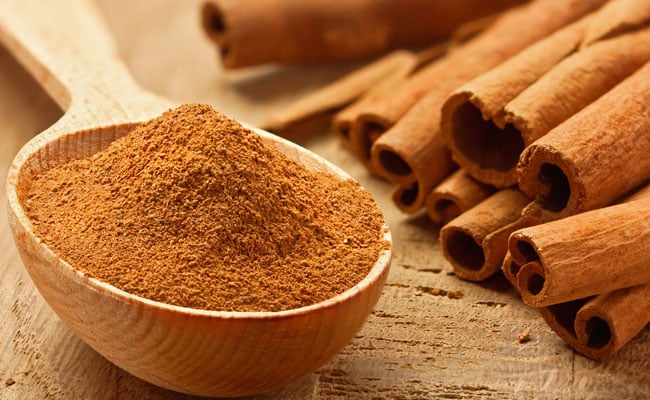
2. Cinnamon
This power spice is loaded with health-benefiting properties. Did you know cinnamon is also an excellent addition to a diabetes diet? According to the book, 'Healing Foods', by DK publishing House, "Cinnamon is a digestive aid that helps normalise levels of both glucose and triglycerides (a type of fat) in the blood, reducing the risk of diabetes and heart disease". The best way to use cinnamon for diabetes is by having cinnamon-infused water early in the morning.

3. Orange
According to American Diabetes Association, citrus fruits like lime, lemon and oranges are 'Diabetes Superfoods', that you should add to your diet to manage your blood sugar levels. Oranges have a low glycaemic index; you can add them to salads, juice them, or tuck into them raw.

4. Carrots
Crunchy and nutrient-dense carrots can do wonders to manage your diabetes. Carrots are packed with dietary fibres, which ensure slow-release of sugar in the blood stream. The glycaemic index of carrots is also very low, which makes it an ideal addition to a diabetes diet.

5. Cloves
Clove is packed with volatile oils that are replete with many anti-inflammatory, analgesic and digestive health benefits. The spice is also known to check blood sugar spikes and promote insulin production. A recent study published in Journal Natural Medicine, studied the hypoglycaemic effects of clove on genetically diabetic mice. The findings revealed that the extract helps increase the secretion of insulin and improves the body's response to insulin.

Include these foods in your diet and see the results yourself!

Disclaimer: This content including advice provides generic information only. It is in no way a substitute for qualified medical opinion. Always consult a specialist or your own doctor for more information. NDTV does not claim responsibility for this information


Saturday, 22 December 2018

Soup and shake diet can beat Type 2 diabetes in just weeks, research suggests

From express.co.uk

BRITAIN'S Type 2 diabetes epidemic could be reversed, saving the NHS billions of pounds, if all sufferers went on a soup and shake diet, research has suggested.

                                           Patients start with soup-shake diet (Image: Getty Images)

The three-stage plan involves eating 830 calories a day for 12-16 weeks before being reintroduced to healthy normal food and given help to achieve long-term weight loss. The "nutritionally complete" meals, which come in a variety of flavours, contain carbohydrates, protein, fat and essential minerals. The results suggest rolling out the plan to the 3.3 million who suffer from the obesity-driven condition could cost less than £10million, a fraction of the current cost of diabetes met by the NHS.

First-year results from the DiRECT trial show it is possible to reverse a condition that now costs the NHS £14billion a year in a matter of months.
Analysis published today reveals that the programme would cost about £1,067 per person in its first year.
Glasgow University health economist Professor Andrew Briggs said: "This intervention is relatively inexpensive when compared to managing Type 2 and we anticipate more cost savings further down the line.

"If people can stay in remission and therefore reduce their chances of developing diabetes complications, the cost savings to the NHS could be substantial."

Type 1 diabetes occurs when the pancreas, a small gland behind the stomach, fails to produce insulin - the hormone regulating blood glucose levels.
If the amount of glucose is too high it can, over time, damage vital organs.
Just 10 per cent of sufferers have Type 1, but it is the most common type of childhood diabetes.
In Type 2, the pancreas either fails to produce enough insulin or the cells do not react to it, meaning glucose remains in the bloodstream and is not used as fuel for energy.

The three-stage plan involves eating 830 calories a day (Image: Pavel Boychenko / EyeEm/ Getty Images)

The condition can lead to serious complications such as blindness, amputations, heart disease and kidney failure.
Diabetes is much more aggressive in children and young people, with a higher overall risk of complications that tend to appear much earlier.
Unlike Type 1, the risk of developing Type 2 is significantly increased by being overweight or obese.
Type 2 now affects one in 10 UK adults.
There are even 6,836 sufferers under 25 and cases are soaring.

A new diagnosis is made every two minutes with the number of prescriptions issued for the disorder rocketing by 80 per cent in just a decade.
A further 12.5 million people are at increased risk of the disease.
Researchers used data from a trial on 300 people aged 20 to 65 across Glasgow and Tyneside who had Type 2 for less than six years.
They were initially put on a liquid diet, then long-term support from GPs was aimed at reintroducing healthy food and maintaining weight loss rather than a reliance on medication.

Economists compared treatment costs of those on the weight loss programme to those receiving standard NHS care.
They found that the cost of the 12-month DiRECT regime, allowing for fewer drugs and medical needs, was £1,067.
By the end of the study's first year, 46 per cent of participants were in remission.
Dr Elizabeth Robertson, director of research at Diabetes UK, explained: "If people can remain in remission and therefore reduce their risk of developing serious diabetes-related complications in the future, the cost savings to the NHS could be significant.

"Costs aside, remission from Type 2 - and the possibility of living free of the condition - has to be the preferred option for people and clinicians alike."
Britain's consumption of sugary snacks has had a devastating impact on public health.
More than one child in five is obese or overweight in their first year of primary school, rising to one in three by the time they leave.
Latest NHS figures show in 2016/17 that there were 617,000 hospital admissions where obesity was a factor, up nearly one-fifth in a year.
Mike Lean, professor of human nutrition at Glasgow University, linked said: "It is now becoming hard to see why, ethically, people with Type 2 should not be offered the chance, and supported, to achieve remission if they can.
"This is no quick fix, but instead a promising medical treatment with potentially huge benefits."
In April the Government slapped a tax on sugary drinks with shoppers paying up to 24p more a litre.

https://www.express.co.uk/life-style/health/1062418/diabetes-type-2-soup-shake-diet-research-NHS


Friday, 21 December 2018

This Common Kitchen Ingredient May Help Manage Blood Sugar Levels

From ndtv.com

Diabetics are often advised to eat foods that are low in carbohydrates, which is what makes garlic an ideal choice

Diabetes is one of the most common ailments afflicting millions across globe. According to a study, published in Lancet, about 98 million people are estimated to be diabetic by the year 2030. A diabetic is often told to be extra careful of their diet and not eat anything that would cause a dramatic surge in the blood sugar levels. Fortunately, there are many common spices, herbs and stems that could help manage diabetes naturally. The book 'Healing Spices' by Dr. Bharat B. Aggarwal identifies garlic is one such effective kitchen ingredient. There have been various studies supporting the claim too. According to a study, published in the journal of Nutrition, raw garlic extracts were found to help reduce risk of both diabetes and atherosclerosis (hardening of arteries). Diabetes is known to increase a risk of a few inflammatory conditions, one of them being atherosclerosis. The anti-inflammatory compounds of garlic may come to your rescue and lower the effects of diabetic complications. Cooked and aged garlic extract are also effective in managing blood sugar levels.

How Does Garlic Help Manage Diabetes 
Garlic is packed with allicin, allyl propyl disulfide and S-allyl cysteine sulfoxide. These sulphurous compounds are not only antibacterial and antifungal in nature, but may also raise insulin levels in blood and help your body to respond to insulin better. According to the book, 'Healing Foods' by DK Publishing House, "a regular intake of garlic lowers the amino acid homocysteine, a risk factor in diabetes and heart disease." Moreover, garlic is also low in calories and carbohydrates, making it an ideal addition to diabetes diet. Diabetics are often advised to eat foods that are low in carbohydrates, as high carbohydrate foods tend to spike blood sugar. The Glycaemic Index (GI) of garlic is also low. The Glycaemic Index (GI) is a relative ranking of carbohydrate in foods according to how they affect blood glucose levels.  Foods with low GI tend to take long to digest and metabolise, ensuring slow release of sugar in the blood stream. Garlic is also rich in vitamin B6 and C. While the former is known to facilitate better carbohydrate metabolism, vitamin C is also known to check and maintain steady blood sugar levels

How To Have Garlic As Part Of Your Diabetes Diet
You can consume them raw with a glass of water first thing in the morning. Make sure you do not consume a whole clove at once as it could cause heartburn and acidity. Peel the skin off before consuming; the allicin compound degrades if the garlic is sitting out for too long. You can chop garlic finely and add them to your soups, stir fries or salads too.
Other kitchen ingredients that are known to manage diabetes naturally are methi, cinnamon and cumin.

COMMENT
Disclaimer: This content including advice provides generic information only. It is in no way a substitute for qualified medical opinion. Always consult a specialist or your own doctor for more information. NDTV does not claim responsibility for this information.


Sunday, 16 December 2018

Diabetes: Cinnamon (Dalchini) May Help Control Blood Sugar Levels

From ndtv.com

Various studies talk about cinnamon as a wonder spice that keeps a check on our blood sugar levels, especially when consumed after meals.

Cinnamon, or dalchini as we call it in Hindi, is one of the popular spices that can be commonly found in Indian households. Used in various dishes and drinks, this aromatic spice has also been used in many traditional medicines and food preservatives. Moreover, dalchini, or cinnamon is a spice that is known to help manage diabetes and control blood sugar levels. Yes, that's right! Cinnamon is full of antioxidants that help reduce oxidative stress, preventing the risk of developing many health problems, including diabetes mellitus.

If the findings of a recent study published in the American Diabetes Association are to be believed, cinnamon helps improve glucose and lipid profile of people with type-2 diabetes. In fact, various studies talk about cinnamon as a wonder spice that keeps a check on our blood sugar levels, especially when consumed after meals. All you have to do is to add a dash of cinnamon powder to a glass of water and drink it; this may help keep your blood sugar spikes in check. According to Macrobiotic Nutritionist and Health Practitioner, Shilpa Arora, "Cinnamon is packed with anti-diabetic compounds that help reduce the rate at which glucose enters our body. If consumed regularly, cinnamon helps reduce fasting blood sugar as well as elevated levels of cholesterol in the body. However, it is recommended to have cinnamon in moderation, say about 3-6 grams cinnamon powder in a day."

Cinnamon helps in improving digestive health too, which is directly related to diabetes. A healthy gut and digestive system will keep your blood sugar levels in control, further avoiding diabetic conditions. According to the book 'Healing Foods' by DK Publishing House, "Cinnamon is a digestive aid that helps normalise levels of both glucose and triglycerides (a type of fat) in the blood, reducing the risk of diabetes and heart disease."


cinnamon
Cinnamon is packed with anti-diabetic compounds that help reduce the rate at which glucose enters our body. ​

Ways To Include Cinnamon In Your Diet To Manage Diabetes

There are many ways of adding cinnamon to your diet and the best way to use it is by soaking a small bark of cinnamon in a glass of water. Leave it overnight and drink it first thing in the morning on an empty stomach. Better still; add a dash of cinnamon on your food and drinks. Make sure that you also maintain a healthy diet and exercise regularly for better management of diabetes and blood sugar levels.
Make sure you consult your doctor or nutritionist before adding cinnamon to your diet, especially if you have any liver-related problems.

Disclaimer: This content including advice provides generic information only. It is in no way a substitute for qualified medical opinion. Always consult a specialist or your own doctor for more information. NDTV does not claim responsibility for this information.

https://www.ndtv.com/food/diabetes-cinnamon-dalchini-may-help-control-blood-sugar-levels-1961593

Friday, 14 December 2018

Healthy snacks for people with diabetes- Foods you can eat without increasing your blood sugar levels

From timesnownews.com

Regulating blood sugar levels is very important if you are diabetic, but so is having a nutrient-rich diet, and keeping your body healthy. a win-win situation can be achieved by consuming these snacks.

New Delhi: India has the highest number of diabetics in the world where 5% of the total population of the country is affected by the disease. Diabetes can lead to more health problems like heart attacks and strokes, and kidney problems. Diabetes is a chronic illness where the body is unable to naturally control the blood sugar levels. Diabetic patients find it very hard to decide what they should eat and what they shouldn't, so that their blood sugar levels stay under control without making them too weak or depriving them of nutrition.
Snacks make up an important part of our meals since they keep us fuller for the day except for just our breakfast, lunch, or dinner. They are also a way to take a break from the regular food since it tends to get boring, and we all need something to munch on while watching a movie, or while working. Foods that have a lower GI (Glycemic Index) can be consumed if you have diabetes, and food items that are high on protein, fibre, and healthy fats are recommended for consumption if you have diabetes.

                                                               Photo Credit: Thinkstock

Boiled eggs

Boiled eggs are a great snacking option if you want to keep your blood sugar levels under control and ensure enough protein intake. Boiled eggs are high on protein, keep you fuller, and are lower on haemoglobin A1c, which is a measure of longer-term blood sugar control.

Yogurt with berries

Whenever you crave something sweet as a diabetic, you can turn to this healthy sweet snack that keeps your blood sugar under control, satisfies your craving, and also is a great source of fibre. Berries have anti-oxidants that help in reducing inflammation or damage to the pancreas, the organ which is responsible for secreting Insulin which regulates the blood sugar.

Dried fruits

A study published in the journal Nutrition and Diabetes has found that dried fruits like dates and apricots can be a good snack for diabetic people. Dried fruits have a lower GI, which is essential to ensure that blood sugar levels do not increase beyond control. Almonds are also a good choice as they are very nutritious, convenient, and unlikely to increase blood sugar levels.

Cottage Cheese or Paneer

One of the most loved food items in North India is Paneer or cottage cheese, and when you can have it as a snack when you are diabetic, nothing better than that. Cottage cheese is high on vitamins, minerals, protein and low on carb. Eating cottage cheese regularly as a snack is reported to reduce long-term blood sugar levels. The fat content in cottage cheese also helps in lowering blood sugar.

Popcorn

Nothing better than popcorn when you are watching a movie, whether at home or at the theatres. Popcorn is very low on calories (31 calories) which aids weight control, an important component for lowering blood sugar levels.
Disclaimer: Tips and suggestions mentioned in the article are for general information purpose only and should not be construed as professional medical advice. Always consult your doctor or a dietician before starting any fitness programme or making any changes to your diet.

https://www.timesnownews.com/health/article/healthy-snacks-diabetes-foods-you-can-eat-without-increasing-your-blood-sugar-levels/330406