Showing posts with label daily routine. Show all posts

Tuesday, 21 July 2026

Have Diabetes? Experts Say Don't Skip This 10-Minute Routine After Meals

From food.ndtv.com

Light walking after meals may help your body process food more efficiently while supporting healthy blood sugar levels 

After a good meal, most of us are ready to sit back and relax. Some head for the couch, while others jump straight back into work. But experts say the period right after eating can have a bigger impact on your health than you might expect. A short walk of just 10 to 12 minutes may help with digestion and support healthier blood sugar levels after meals. Here's why this simple habit is worth adding to your routine.

Why Should You Walk After Eating?

According to Gastroenterologist Dr. Saurabh Sethi, a short walk after meals helps your body process food more efficiently while supporting metabolic health. Here are some of the benefits he highlights.

Latest and Breaking News on NDTV

                                                                                                                                                              Photo: Unsplash

1. May Help Your Body Handle The Rise In Blood Sugar After Meals

After eating, your body breaks down carbohydrates into glucose, causing blood sugar levels to rise. According to Dr. Sethi, a short walk after meals slows how quickly glucose enters the bloodstream, helping reduce sharp blood sugar spikes and lowering the amount of insulin the body needs to release.

A study published in Scientific Reports also found that light walking after meals can improve post-meal blood glucose levels, particularly in people with diabetes and insulin resistance.

2. Supports Better Digestion

Dr. Sethi says light movement activates the gastrointestinal tract and the vagus nerve, which may help food move through the digestive system more smoothly. According to him, this may support stomach emptying and reduce sluggish digestion after meals.

3. May Help Ease Bloating

If you often feel uncomfortably full after eating, a gentle walk may help. According to Dr. Sethi, walking after meals improves gut motility and may reduce gas retention, making it especially helpful for people who experience bloating or meals that “sit heavy.”

4. May Reduce Acid Reflux After Meals

Lying down immediately after eating can sometimes make reflux worse. Dr. Sethi explains that a slow walk keeps food moving through the digestive tract, which may reduce acid exposure and episodes of heartburn.

5. May Improve How Your Body Uses Insulin

Dr. Sethi says muscles use glucose for energy during a walk, allowing them to absorb sugar from the bloodstream with less dependence on insulin. Over time, this may help improve insulin sensitivity.

How Long Should You Walk?

According to Dr. Sethi, the ideal duration is 10 to 12 minutes at a slow-to-brisk pace after lunch, dinner or your largest meal of the day.

Diabetics Need To Focus On Diet As Well

Latest and Breaking News on NDTV

A short walk can be a healthy addition to your routine, but what you eat matters just as much. According to nutritionist Rupali Datta, people with diabetes or insulin resistance should include foods such as whole grains, pulses, green leafy vegetables, nuts and seeds as part of a balanced diet. Pairing nutritious meals with regular physical activity may help support better blood sugar management.

So, if you have diabetes, try and incorporate this simple habit in your routine to manage blood sugar levels properly.

https://food.ndtv.com/health/have-diabetes-this-10-minute-habit-after-meals-may-help-control-blood-sugar-11785162

Saturday, 6 June 2026

When Should Patients With Diabetes Eat?

From medpagetoday.com

By Hana Kahleova, MD, PhD

Meal timing may be an underused tool

For decades, nutrition counselling in diabetes care has focused primarily on one question: What should patients eat? But a growing body of evidence suggests another question may be clinically important as well: When should patients eat?

Human metabolism follows a circadian rhythm that influences insulin sensitivity, glucose tolerance, beta-cell responsiveness, and energy metabolism across the day. In the morning, metabolic efficiency is generally higher. As the day progresses, glucose tolerance declines and postprandial responses often worsen.

Yet, many patients consume their largest meals in the evening or eat across prolonged daily time windows extending from early morning into late night. From a circadian perspective, this pattern may create a mismatch between food intake and underlying metabolic biology.

Accumulating evidence suggests this mismatch matters.

Controlled feeding studies have demonstrated that identical meals consumed earlier in the day often produce lower postprandial glucose excursions compared with evening intake. Late eating has been associated with impaired glycaemic control, increased insulin resistance, and higher cardiometabolic risk.


In a randomized crossover study my colleagues and I conducted in patients with type 2 diabetes, two larger meals consumed earlier in the day -- breakfast and lunch -- produced greater reductions in body weight, hepatic fat content, fasting glucose, and insulin resistance than six smaller meals of identical caloric content distributed throughout the day.

Similarly, Elizabeth Sutton, PhD, and colleagues demonstrated that early time-restricted feeding improved insulin sensitivity, blood pressure, and oxidative stress markers even without weight loss in men with prediabetes.

These findings suggest that meal timing may influence metabolic outcomes independently of caloric intake alone. Yet, meal timing remains largely absent from routine diabetes care.

Current nutrition counselling appropriately emphasizes dietary quality, caloric balance, fibre intake, and reduction of ultra-processed foods. But patients are rarely advised about circadian alignment, eating windows, or the metabolic implications of late-night intake. This may represent a missed clinical opportunity.

Importantly, meal timing interventions are relatively low-cost, scalable, and behaviourally straightforward compared with many other therapeutic approaches. They do not require additional medications, devices, or invasive procedures. In some patients, they may complement pharmacologic therapies by improving underlying metabolic physiology rather than bypassing it.

This is particularly relevant at a time when healthcare systems are confronting rising rates of obesity and type 2 diabetes alongside escalating demand for costly metabolic therapies, including GLP-1 receptor agonists.

Meal timing is unlikely to replace established pharmacologic treatment. Nor should circadian-based nutrition be oversimplified into rigid dietary rules. Individual variability remains substantial, and more long-term randomized trials are still needed. But the broader principle is increasingly difficult to ignore: metabolism is not static across the day.

As clinicians, we routinely consider timing in other domains of medicine. We time antihypertensives, insulin administration, corticosteroids, chemotherapy, and sleep interventions according to physiologic rhythms and therapeutic response. Nutrition may deserve similar consideration.

Incorporating circadian principles into dietary counselling does not require abandoning existing nutrition recommendations. Rather, it may strengthen them by aligning food intake more closely with human metabolic biology.

For many patients with insulin resistance and type 2 diabetes, the future of nutrition therapy may involve not only improving food quality -- but improving temporal alignment as well. And that shift may turn out to be clinically meaningful.

https://www.medpagetoday.com/opinion/second-opinions/121600

Monday, 18 May 2026

Why do your sugar levels fluctuate more in summer?

From healthshots.com 

How does summer heat affect blood sugar levels? Effective tips for managing diabetes, staying hydrated, and nourishing your body

Summer can be difficult for everyone. When it comes to people with diabetes, increasing temperatures are of greater concern because they often notice unusual fluctuations in their blood sugars during summer. Even when they follow their regular diet and medication regimen, hot weather can affect the body in several ways. This includes changes in hydration levels, appetite, insulin action and daily routine. We need to understand the link between summer heat and diabetes to prevent sudden sugar spikes and dangerous drops.

                                                                                                 Image courtesy: Adobe Stock

Does heat affect blood sugar levels?

Dehydration is one of the main causes of changes in blood sugar levels in summer. Our bodies lose fluids and minerals through sweating. Dehydration makes blood glucose more concentrated, leading to higher blood sugar. “In addition, insulin absorption from injection sites may also be high during summer, leading to unexpected low blood sugar episodes in some individuals”, Diabetologist Dr Ranjit Unnikrishnan tells Health Shots. So, managing diabetes during summer can be difficult. People with diabetes find it harder to do physical activity and follow their health routines, as they may feel tired due to extreme heat. This leads to an increase in blood sugar.

Dehydration and blood sugar levels

Dehydration and blood sugar are closely linked. Our kidneys have difficulty removing excess sugar from the blood through urine because the body does not have enough water to carry the glucose. This can increase the risk of high blood sugar in summer. Common signs of dehydration include:

  • Excessive thirst
  • Dry mouth
  • Dizziness
  • Headache
  • Fatigue
  • Dark-coloured urine

Ignoring dehydration may lead to severe complications, especially in older adults and individuals with uncontrolled diabetes.

Friday, 20 March 2026

Ready for a Reset? 7 Ways to Reboot Your Diabetes Routine

From beyondtype1.org

A new routine can feel like a reset, whether it’s a new year or a new season of life. There’s never a perfect or bad time to adjust your diabetes routine. You don’t need a holiday or a Monday to start small changes that can help you feel better over time.

The goal is to feel supported, not to chase perfection. The good news? You may be closer than you think.

These game-changers can help anyone living with diabetes at any age, type or stage of diagnosis. Small adjustments can help you feel more organized, steady and cared for in your daily routine.

1. Reset your sleep rhythm

Sleep is one of the most important parts of your health. When sleep goes well, diabetes management during the day often feels easier.

Sleep helps:

  • Growth and repair
  • Heart health
  • Injury prevention
  • Weight management
  • Memory and learning
  • Your immune system

Most adults need seven to nine hours of sleep. Poor sleep can make blood sugar management harder by raising insulin needs and clouding your thinking.

Sleep can be tough with continuous glucose monitor (CGM) alarms, but it’s still worth protecting. When you support blood sugar stability during the day, it can pay off at night. Everything comes full circle.

2. Eat and move for health: try an 80/20 approach

Eating in a “diabetes-friendly” way looks different for everyone. It’s important to work with your care team to find what works best for your life. There is no single “perfect” plan. Diabetes is personal, and your plate should reflect that. Sometimes you may even find helpful ideas on social media.

An 80/20 approach helps people with and without diabetes, offering flexibility and focus. Simply put, you eat healthy foods 80% of the time, and allow 20% for splurges or “cheat days.” An 80/20 rule for healthy eating and exercising helps you stay dedicated to your health while allowing room for treats and rest days. After all, sometimes rest is the most productive thing you can do—remember those seven to nine hours we just mentioned?

An 80/20 mindset can help you feel well and stay grounded without the pressure of ultra-restrictive behaviors or micromanaging your health. When you’re in tune with yourself, you’ll know when to push and when to nurture.

3. Do a quick diabetes supply check

No matter how confident you feel about your diabetes supplies, it’s never a bad idea to check. Clean, count and restock as needed.

Look at expiration dates and toss what’s outdated. Keep your stash visible, not buried in a drawer. Set a phone reminder once a month, and try to line it up with pharmacy visits so you can avoid extra trips.

4. Refresh your low drawer or hypo kit

Replace old or melted low snacks. If you live with others, make sure they know where your low supplies are in case you need help.

Keep low supplies in the places you’re most often—your car, purse, backpack, bedside table, coat pocket, etc. Make it as easy as possible to treat a low quickly.
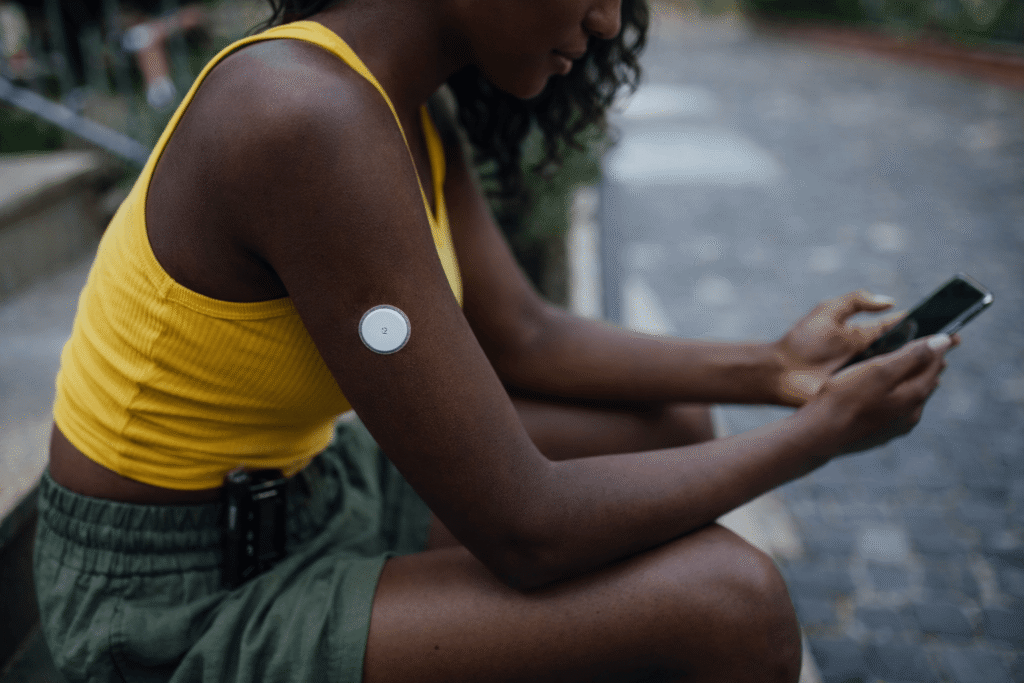
Woman wearing a CGM checks phone.

5. Review and reset diabetes device alerts

Alarm fatigue happens when you get used to CGM or pump alerts and start to tune them out. This can make it harder to act when you need to.

Refreshing your alerts can help you pay attention again. Your alerts should support you, not stress you. Adjust thresholds that no longer fit your life, turn off ones that aren’t useful and keep the ones that help you notice patterns.

6. Check in with your body and motions

Diabetes comes with a heavy mental load. A quick check-in with yourself can help you understand how you’re really doing.

Ask yourself:

  • Am I tired?
  • Is diabetes frustrating me today?
  • Am I feeling burned out?
  • Am I giving myself credit for my wins?
  • Am I letting go of perfection?

All feelings are valid. It’s normal for them to come and go. If you need support, a health coach or therapist may help. If you want something simple to start with, try journaling, talking with a peer who also lives with diabetes or taking a mental health day.

Use your PTO or sick days, if you have it. Caring for yourself is a valid reason.

7. Revisit your habits

Habits shape how we move through life, and they take time to build. Small habits often lead to bigger goals.

Choose tiny actions that support your well-being. They stack up. Be dedicated to yourself in whatever season you’re in. And be gentle because consistency isn’t linear. Everyone falls off the path sometimes. What matters is that you return to it.

If today you only have 20% to give, give 100% of that 20%. If you have more tomorrow, give 100% of that. Diabetes can make you feel like you must be “on” all the time, but that pressure isn’t real.

Small resets lead to lasting change

If you’re stuck in a rut with your diabetes right now, that’s normal. If you don’t feel motivated to make improvements—big or small—that’s normal, too. Give yourself grace along the way. Progress isn’t a straight line. Some days, your cup may be a quarter full, and other days, it might be overflowing. 

What’s important is that you don’t let your setbacks or low-cup days define you. They’re moments in time, just like pesky highs and lows. You work through them, and you’re better for it!

Small resets in your diabetes routine add up. Tiny steps can take you miles along your diabetes journey. Big leaps usually don’t help you stick the landing. You deserve care that feels supportive and doable, from healthcare professionals and yourself. Keep your expectations realistic and compassionate, and you’re sure to stick the landing in the end.

https://beyondtype1.org/diabetes-routine-game-changers/