Showing posts with label help. Show all posts

Friday, 29 October 2021

Type 2 diabetes support groups and their benefits

From medicalnewstoday.com

Type 2 diabetes support groups are community-based or online organizations where people living with the condition can share information, find understanding, and give or receive emotional support.

These resources provide an opportunity to share personal experiences and find tips for managing type 2 diabetes. They can be a source of empowerment, giving people tools to improve their symptoms and quality of life.

Additionally, individuals can benefit from building relationships with others in a similar situation.

The following article discusses online and in-person type 2 diabetes support groups and programs. It also outlines how someone can find or choose a group.

Online type 2 diabetes support groups

The internet is a valuable tool for people living with type 2 diabetes.

Individuals can find online support groups that offer general discussions about daily life and health habits and specific information on handling the health challenges type 2 diabetes may pose.

Carenity

Carenity is a website-based social network specifically for those living with chronic conditions, including type 2 diabetes.

Features of this support group include a free social network that includes friends, a news feed, discussion forums, and private messaging.

In addition, Carenity publishes high quality medical information and relevant news on medical breakthroughs.

To help members manage their health, Carenity publishes expert videos and articles, patient testimonials, and interviews with doctors.

DiabetesSisters

DiabetesSisters offers various education and support services to help females living with type 2 diabetes live healthier and fuller lives.

Its focus is fostering a bond between females and providing a space where members feel comfortable sharing information, helpful tips, and stories of hope.

DiabetesSisters began its activity in 2008 after the founder received a diabetes diagnosis as a teenager in the early 1990s. She realized how little information or support for females with diabetes existed, and she sought to change that.

T2D Healthline

T2D Healthline is an app-based support group, and it claims to be the number one type 2 diabetes community.

It offers round-the-clock advice and support from people who understand the challenges of type 2 diabetes, because they are also living with the condition.

Diabetes Forum

Diabetes Forum is the United Kingdom’s largest diabetes support group, with more than 300,000 members.

Although U.K.-based, the group welcomes everyone to ask questions, find support, and share their experiences. It is free and easy to use and helps people understand more about diabetes.

In-person support groups provide a structured, supportive environment to discuss living with type 2 diabetes. Meetings that these groups hold may help reduce feelings of isolation by offering friendship and camaraderie.

Defeat Diabetes Foundation

Defeat Diabetes Foundation (DDF) lists in-person support groups for those living with diabetes by state. On its website, people can find the location of meetings, age groups that can attend, and contact information.

The DDF notes that being a member of a support group is a great way to be proactive about diabetes management. The foundation provides support, tips, and information, forming an essential tool for managing diabetes.

Support programs offer a more structured way of getting information and support.

The American Diabetes Association (ADA) has a Diabetes Self-Management Education Support (DMES) network that includes support programs located across the United States. Some are covered by Medicare and health insurance.

Some of the things a DMES program can help with include:

  • improving knowledge about diabetes
  • teaching self-care skills, such as meal planning
  • providing help with blood glucose monitoring
  • empowering people to create healthy habits, such as exercise 

  • People interested in these programs can find one near them using the ADA search tool.

There are several factors to consider when looking for a diabetes support group.

Firstly, it helps to know what a person with diabetes expects from one of these groups. For instance, if they want to connect with others, it will be important for a group to allow them to socialize.

On the other hand, if they need more structured support to look after their health, a program or group that addresses this directly will be a better choice. It is a good idea to make a list of the top priorities and consider them while searching.

Next, individuals should look for groups that fit these priorities. They can do this by:

  • asking a doctor for recommendations
  • asking others who have type 2 diabetes about what helps them
  • searching online

An essential aspect of choosing a support group is whether an online or in-person group and format is a better fit. Both offer their own set of benefits.

One of the advantages of a local group is that members may see the same doctors as the person joining. They will also know more about the resources available in their region. In-person groups can also be better for making friends.

Online support groups, however, are more accessible, particularly if someone is not feeling well or cannot get to an in-person meeting. Also, support can be available at any time.

Some individuals may want to join more than one group to get the benefits of both group types.

If a support group is not a good fit, it is always possible to try others.

Support groups offer a range of benefits, but for individuals with type 2 diabetes, they are particularly valuable. It can be a difficult condition to understand and manage long-term.

People with type 2 diabetes have to consider taking their medications, modifying their diet, and in some cases, changing their lifestyle. In addition to affecting their physical health, this can also have an impact on their mental health. 

The authors of a 2019 study found an association between participating in online support groups and better motivation and social support for those with type 2 diabetes. This may reduce feelings of isolation and boost self-esteem. Moreover, seeing others managing their diabetes and living a full life can be an inspiration to other people with the condition.

Support groups provide a wealth of benefits for their members, including peer support, encouragement, and information. Individuals can access both online and in-person support groups, with each option coming with its own set of benefits.

There are also structured programs that teach valuable skills required for managing diabetes, such as blood glucose monitoring and meal planning. If a person has health insurance, they can ask their health insurance provider whether they are eligible for such programs.

Individuals can ask a healthcare professional to recommend a support group. Many communities and healthcare teams provide support groups for people living with type 2 diabetes.

https://www.medicalnewstoday.com/articles/type-2-diabetes-support-groups

Tuesday, 27 July 2021

Managing type 1 diabetes: Voices of the underserved

From scopeblog.stanford.edu

It's one thing to be aware that patients with type 1 diabetes in vulnerable communities often face hurdles to care. It's another to hear these patients' frustrations, in their own words. 

That's what David Maahs, MD, PhD, a Stanford Medicine professor of paediatrics, and his colleagues found when they moderated a series of 16 focus groups -- eight each in rural northern California and Florida -- to illuminate barriers to diabetes care and technology use among underserved communities in the United States. 

Eighty-six adult participants agreed to be interviewed in hour-long Zoom sessions. Many were recruited through Federally Qualified Health Centres; others were patients recently hospitalized for diabetic ketoacidosis, and some had high blood sugar -- levels of haemoglobin A1c, a glucose marker, above 9% -- but had skipped two or more endocrinologist visits in a row.

Maahs and his colleagues from the University of Florida have been piloting a project called ECHO Diabetes, based on the Extension for Community Health Outcomes model developed at the University of New Mexico for hepatitis C.

The goal of the project, Maahs said, is "to raise, through tele-education, the level of care primary doctors can provide in their own communities." As part of this effort, the Stanford and Florida teams wanted to hear directly from underserved type 1 diabetes patients, which is why they conducted focus groups, recording and transcribing the interviews.

Often, when asked about challenges they encountered in trying to manage their disease, participants made revealing comments. One, for example, was repeatedly denied a continuous glucose monitoring device, and reported being "in a diabetic coma three times this year because they won't give me what I need to maintain" healthy blood sugar levels.

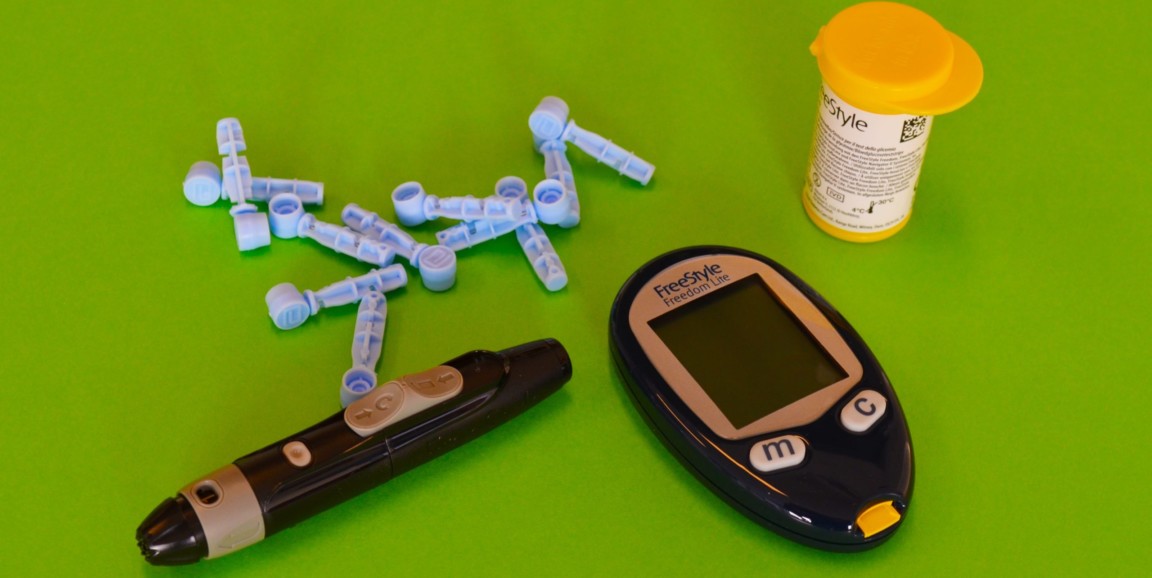
Tools and monitors used to track glucose and diabetes care are on a green background

Photo by Diabetesmagazijn.nl 

Another was prescribed insulin shots, but not informed about how to move to advanced care, such as an insulin pump. Instead, the patient said, her clinician "complained the whole time, telling me, 'You're going to die, your kids are going to not have a mama.'" 

To Maahs, who is division chief of paediatric endocrinology, these kinds of responses were upsetting, but not surprising. "It's always so powerful to hear patients' voices on how such barriers have affected their lives," he said. "Many had never been asked about their experiences before, and, well, they sure told us."

Maahs' research was published in July in Diabetes Care. Ashby Walker, PhD, from the University of Florida Diabetes Institute, is the first author.

Improving bedside manner, educating more providers

Of the barriers that patients identified, unsympathetic endocrinologists topped the list. One participant said, "I prep myself to go in for what feels like an attack when I am looking for help and support." Another heard, "You're using way too many blood glucose strips." But later, when the same patient asked for a continuous glucose monitor, the doctor asked, "Well, are you too lazy to test your blood sugars?"

The researchers also found that, at the time they were interviewed, more than 50% of participants hadn't seen an endocrinologist in a year, never mind following through on the recommended four check-ups annually.

"It's unfortunate, and a reminder to physicians that how they speak with patients is really important," Maahs remarked. "We're doing a lot of research on ways to reduce implicit biases at the provider level."

Meanwhile, he and his colleagues have expanded the project, launching a clinical trial focused on training primary care physicians who may lack expertise in general diabetes management. Often, they are the main or only health care providers in underserved areas, Maahs said. The team is testing whether weekly tele-education sessions "leads to improvements in both provider job satisfaction and patient health," he said.

Diabetes management is two-tiered, he said. "Some patients, based on insurance status and where they live, receive cutting-edge care; others who lack insurance or live in rural areas receive outdated or minimal care."

"With our program, we aim to equip more providers with the relevant knowledge so patients in disadvantaged communities receive better care than what they currently have," he said.

https://scopeblog.stanford.edu/2021/07/26/managing-type-1-diabetes-voices-of-the-underserved/

Friday, 25 June 2021

5 Things I Would Tell Someone Recently Diagnosed with Type 2 Diabetes

From healthline.com

A new diagnosis can be overwhelming, but you’re not alone. The T2D Healthline community is here to help

As of 2020, the Centres for Disease Control and Prevention (CDC) estimates that more than 10 percent of Americans live with diabetes and nearly a third of all American adults have pre-diabetes.

Type 2 diabetes is far more common than type 1 diabetes, and it accounts for nearly 90 percent of all global diabetes cases.

While type 2 diabetes cannot be cured, it can be managed through diet and lifestyle changes. However, for many, receiving a type 2 diabetes diagnosis may be the first time they’ve had to face significant health changes. This prospect can feel daunting.

Even though type 2 diabetes is very common, a new diagnosis may make you feel alone.

It can feel isolating, as though your friends and family members just don’t understand what you’re going through. It’s important to remember that you’re not alone.

The T2D Healthline community is filled with people who truly understand what you’re going through, because they’ve been there themselves.

Five community members shared their words of wisdom for people navigating a new type 2 diabetes diagnosis

“As we say in the South, ‘It ain’t nothing but a chicken wing.’ You can get out in front of this. It’s shocking at first. Once you make lifestyle changes, and they become routine, then it becomes second nature.

You may be fine for many years, and some people even go into remission. Just think about the millions who are unaware or don’t care. You’re that much further ahead of millions. Now it’s time to get busy living.“ – Robert Ward

“It definitely can be overwhelming. Just stop and take a big deep breath.

It’s going to be OK. It’ll require some work on your part, but nothing you can’t handle. I would first recommend seeing a dietitian to help you figure out what you should be eating.

In the meantime, work on eating healthy low-carb meals and snacks. Try to get some exercise and drink plenty of water. There’s definitely a lot of information available on the T2D Healthline app, and you can ask questions. The people here are always here to help. Take it one day at a time.” – Brian D.

“When first diagnosed, it was overwhelming for me. And with help from the T2D Healthline group, doctors, and my own reading, diabetes is manageable.

For me, a continuous commitment to healthy eating and exercise has also helped.” – Cal90

“I was overwhelmed at first. I definitely had anxiety about the diagnosis (in addition to other things). A nurse practitioner suggested I see a psychiatrist, which I never would have thought to do.

You have to try to look for positives. It can help to see all the success stories on the T2D Healthline community from people who struggled at first and have made truly incredible progress.

Some calming tricks can help, too. Whether it’s some kind of meditation, relaxation, or essential oils, they can help you through the adjustment and minimize the stress of it.” – Chris

“I’m 3 months in and have made a lot of changes to my diet.

Don’t worry. After a few weeks of making changes, you’ll start getting used to it and not feel like the new diet is such a big change. Adding lots of veggies can help you stay full.

Think creatively of different ways to add them in: roasted, steamed, raw, soup, and more!” – Cherie Jordan

Facing a new type 2 diabetes diagnosis may feel challenging, but it’s a challenge you can handle.

With time, you’ll find new routines that work for you, and you’ll start to feel more confident in your ability to manage your health.

Especially at the beginning, it may feel like you have a lot to learn, and you probably have many questions. The T2D Healthline community is here for guidance and support every step of the way.

https://www.healthline.com/health/type-2-diabetes/what-i-would-tell-someone-recently-diagnosed-with-t2d

Wednesday, 4 December 2019

Don’t let diabetes ruin your health — prevention is key

From qcitymetro.com

With moderate exercise and a healthy diet, diabetes and can often be controlled — and even prevented

Diabetes affects more than 30 million Americans, and 1 in 4 don’t know they have it, according to the Centres for Disease Control and Prevention.
African Americans and other populations of colour are especially at risk.

But here’s good news: with moderate exercise and a healthy diet, diabetes can often be controlled — and even prevented, says Dr. John R. Smith Jr., lead medical director at Blue Cross & Blue Shield of North Carolina.


What is diabetes and what causes it?
Diabetes is a lifelong disease that involves problems with a hormone called insulin, resulting in elevated blood-sugar levels. There is an organ called the pancreas, which is behind the stomach. The pancreas releases insulin into your bloodstream, which lowers your blood sugar, allowing your body to use the food you eat as its main energy source. With diabetes, there’s a problem with insulin. One, the body may not be making insulin, which is what we call Type 1 diabetes. Or two, it may be making insulin but not using it effectively to lower blood sugar, and that’s what we call Type 2 diabetes, or adult-onset diabetes.

Why is diabetes dangerous?
Diabetes is dangerous when blood sugars are not controlled, because the sugar in your bloodstream stays high, and over time, high blood sugars can cause health problems, such as heart disease, nerve damage, eye problems or kidney disease. Complications, unfortunately, are higher in people of colour. Kidney failure is four times more likely in people of colour. Lower-extremity amputations are three to four times more likely, and mortality is twice as high in people of colour compared to non-Hispanic whites.

What’s the medical treatment for Type 1 diabetes?
Most commonly, this starts in people who are young, usually under 20, but it could occur at any age. Since the body doesn’t make insulin, the treatment is actually insulin, so you have to take insulin shots to reduce your blood sugar.

And what about Type 2?
With type 2, which is called adult-onset diabetes, it’s not a problem of your pancreas not making enough insulin. Instead, your body doesn’t use insulin correctly. That results in a condition called insulin resistance. About 90% of diabetics have Type 2 diabetes. Usually it’s in people over 40, and typically people who are overweight, but it can occur in people who are not overweight. Most cases of Type 2 can be prevented. Type 2 is actually more common in African Americans. In fact, it’s twice as high in African Americans as it is in whites. The treatment for Type 2 centres on weight loss, diet and exercise.

Can children get Type 2 diabetes?
Yes. With the obesity epidemic now in the United States, and with kids being obese, this adult-type, which normally occurs in people age 40 and up, is starting to occur in kids. There is a study out that says about a third of kids will develop Type 2 diabetes, or the adult-onset type, before they are 20 years of age.

Is one type more dangerous than the other?
Both are dangerous if not controlled. With Type 1, if you don’t get insulin, then you can’t metabolize the blood sugar, so that’s the most immediate danger. Type 2 is more dangerous over time. With either Type 1 or Type 2, if the blood sugar is not controlled, you can have the same complications. You can have hardening of the arteries. You can have bleeding into the eyes, which is a condition we call retinopathy, or you can have small amounts of protein in your urine, which we call microalbumin, which, if the blood sugar is not controlled, can progress to kidney failure.

Why is diabetes more problematic in people of colour?
That’s a great question. One reason diabetes is more problematic in people of colour is because of diet. The “Southern Diet,” which some people call “soul food,” has a lot of fried foods, desserts, and other foods which may not have the best nutritional value, which can result in medical problems such as insulin resistance, diabetes and high blood pressure. Family history is another factor that makes diabetes more problematic in people of colour. Once people have diabetes, they may feel fine (asymptomatic) but sugars can be high and be doing damage to the body. Often people believe that if they feel fine, they must be doing ok, so they do not have to watch diet and weight too closely. Unfortunately, that is not the case.

Can exercise and diet alone combat Type 2 diabetes?
Typically, the cornerstone of treatment for diabetes as well as prediabetes is weight loss, diet and exercise. If you really follow that, you can actually prevent or control diabetes. Unfortunately, that’s not the case for most people.  About 1/3 of the people with prediabetes will develop diabetes without lifestyle changes within five years, and most people with diabetes will end up getting put on pills without lifestyle changes. (There are several types of pills that can be used to control diabetes.) Even if you are compliant with lifestyle changes, over time, the organ we called the pancreas, which makes insulin, makes less and less insulin. So, Type 2 diabetics who have had it long enough, sometimes need insulin as a treatment.

What is gestational diabetes?
That’s the diabetes that women get when they’re pregnant. Sometimes it resolves after pregnancy is over, but occasionally it persists.

What are the signs of diabetes?
Increased thirst; increased hunger, even after eating; increased urination and unexplained weight loss. These symptoms are not specific to diabetes, but certainly in combination they suggest diabetes. Other signs may include dry mouth, fatigue, blurred vision, cuts or sores that are slow to heal, numbness in your hands and feet. Women can be more at risk for yeast infections. Over time, men can develop problems with impotence or erectile dysfunction.

How do doctors confirm diabetes?
Diabetes is confirmed through a blood test. Typically, your provider (doctor, nurse practitioner, or physician assistant) will want you to come in fasting. If you’ve been fasting, your blood sugar should be under 100. If it’s between 100 and 125, you have a condition called prediabetes. And if it’s over 125 fasting on a couple of different occasions, that’s diagnostic for diabetes.

What’s considered a healthy diet to stave off diabetes?
The American Diabetic Association and Nutrition Council put out what’s considered a healthy diet. Certainly you want to have a proportion of meats, some bread, but mainly a lot of fruits and vegetables. The challenge is, the recommended portions are very small, and the typical American diet is not aligned with that. Typically, people have large portion sizes and want to eat ’till they are done, and sometimes the foods that taste best contain a lot of sugar. So essentially, what you’re doing is taking in more calories, which is going to result in you gaining weight, which will lead to potential insulin resistance, which can put you at risk for diabetes.

What advice do you have for those concerned about diabetes?
There’s an old saying — an ounce of prevention is worth a pound of cure. Certainly that’s applicable in this case, because it’s much better to prevent diabetes than it is to treat it. Initially, when your blood sugars are high, you feel normal. Most people with high blood sugars do not have symptoms until their blood sugars are close to 200 or higher. It’s not easy to lose weight, maintain a healthy weight, or even exercise regularly, but certainly in the end it’s worth it. We all want to be healthy and enjoy life.

Should diabetics feel like they are all alone trying to manage their diabetes?
No. There are a number of resources that providers can provide to help patients with diabetes. If you are a Blue Cross NC member, Blue Cross NC also has resources to help its members prevent, control, and possibly reverse diabetes. Blue Cross NC also has case management services to help its members. There are also numerous resources online available to help people with diabetes, whether you are a Blue Cross NC member or not.

So you are not alone, there are resources available to help prevent and/or control diabetes.

https://qcitymetro.com/2019/12/02/dont-let-diabetes-ruin-your-health-prevention-is-key/