Showing posts with label autoimmune diseases. Show all posts

Thursday, 20 March 2025

Is Type 2 Diabetes an Autoimmune Disease?

From verywellhealth.com

Type 2 diabetes is not an autoimmune condition, while type 1 diabetes is. Though new research suggests the immune system may be involved in type 2 diabetes, its causes are more closely linked to other factors such as family history and lifestyle habits.

A parent and child cook a healthy meal together as part of a diabetes eating plan

MoMo Productions / Getty Images

How Type 2 Diabetes Differs From Type 1 

Diabetes is a disease characterized by high blood glucose (sugar) levels. Blood sugar is regulated by insulin, a hormone produced by the pancreas. Though they share some characteristics, type 1 diabetes and type 2 diabetes are not the same. They have different causes and the treatment plans are often very different, as well.

Type 1 Diabetes
  • Onset usually in childhood, adolescence, or young adulthood

  • Can come on suddenly

  • Insulin required for survival (body no longer produces insulin)

  • Autoimmune disease; pancreatic cells damaged

  • Risk factors that include family history, genetics, potential environmental triggers, and being young

Type 2 Diabetes
  • Onset typically in adulthood

  • Usually develops gradually over time

  • Treatments that can include lifestyle changes, oral medication, or injectable medication (including insulin)

  • Not an autoimmune disease; may be delayed or prevented with lifestyle changes

  • Risk factors that include family history, ethnicity, overweight/obesity, lack of physical activity, age

Type 1 Diabetes

Type 1 diabetes is an autoimmune condition. It is usually diagnosed in children, adolescents, and young adults, though people of any age can develop it.

In type 1 diabetes, the body mistakenly attacks cells in the pancreas that produce insulin. Because of this, people with type 1 diabetes produce very little or no insulin, thus requiring insulin for survival.

This reaction is due to autoantibodies, which are proteins produced by the immune system that are mistakenly directed to healthy cells in the pancreas that produce insulin as foreign.

Risk factors for type 1 diabetes include:

  • Genetics or having a family history of type 1 diabetes
  • Being young
  • Potential environmental triggers, such as a virus

There is no cure for type 1 diabetes, though it can be treated.

Type 2 Diabetes

Type 2 diabetes is when the body doesn’t respond to or cannot properly use insulin (insulin resistance).  It is usually diagnosed in adults, but people of any age, including children, can be diagnosed with type 2 diabetes. Type 2 diabetes usually develops gradually over time.

Risk factors include:

  • Having a family history of type 2 diabetes
  • Being overweight
  • Being over 45 years of age
  • Being physically inactive

U.S. populations with a higher prevalence of type 2 diabetes are:

  • African American
  • Latinx
  • Native American
  • Alaska Native
  • Pacific Islander
  • Asian American

Lifestyle interventions, such as losing weight, participating in regular physical activity, and following a healthy diet, can prevent or delay type 2 diabetes.

Along with self-monitoring of blood glucose, treatment may include lifestyle changes, oral (by mouth) medication, and/or injectable medication.

Research on Immune System Involvement

While some research suggests potential immune system involvement in type 2 diabetes, it is not considered a classic autoimmune disease in which the body attacks its own cells (as is seen with type 1 diabetes). Type 2 diabetes is considered a multifactorial disease (having many contributing factors).

Researchers have documented that type 2 diabetes is characterized by chronic (long-term) low-grade inflammation.

Inflammation occurs as a result of the immune response to high blood glucose levels and the presence of inflammatory mediators (chemicals) produced by adipocytes (cells that store energy as fat) and macrophages (white blood cells that play an important role in the immune system). 

A 2019 study found that some people with type 2 diabetes have altered immune cells, which cause inflammation that is attributable to an autoimmune response. The study revealed that reactive autoantibodies against insulin-producing cells could be detected in some people.

The researchers also noted that upcoming data suggest a modified function of regulatory T cells (a type of white blood cell involved in the immune system) in some people. Experts hypothesize that unhealthy lifestyle choices and advanced age may act as possible “triggers” for these inflammatory responses.

What Is an Autoimmune Disorder?


An autoimmune disorder or disease, is a condition in which the body mistakes its own healthy cells, tissues, or organs as foreign substances and attacks them.

Normally, the immune system is able to tell the difference between your cells and foreign substances. A flaw in the immune system can make the body unable to tell the difference between the two.

When this happens, the body mistakenly makes autoantibodies that attack the body’s normal cells, tissues, or organs. Simultaneously, regulatory T cells fail to keep the immune system functioning properly.

Autoimmune diseases can affect any part of the body. Experts know of more than 80 autoimmune diseases. Some common autoimmune diseases are type 1 diabetes, multiple sclerosis (MS), lupus, and rheumatoid arthritis (RA).

Studies suggest these diseases may be caused by interactions between certain genes and the environment. Risk factors for developing an autoimmune disease include sex, race, and certain ethnic characteristics.

Immunosuppressant Medications

Researchers have developed medications called immunosuppressants to help treat such conditions as autoimmune diseases. These drugs weaken the immune system response in an effort to reduce the body's reaction to substances it mistakes as harmful.

For example, a specific class of immunosuppressants called anti-CD20 antibodies is designed to target and destroy the immune cells that are attacking healthy tissue. These drugs treat some autoimmune diseases, such as RA and MS.

Some research indicates that immunosuppressive medications may benefit people with type 2 diabetes. More studies are needed before immunosuppressant drugs are used in the treatment of type 2 diabetes, but early research is encouraging.

Reasons for Lower Immunity With Type 2 Diabetes

Chronic low-grade inflammation, as described earlier, damages the cells in the pancreas that produce insulin. This leads to lower insulin production, which causes high blood glucose levels. High blood glucose levels in diabetes are thought to disrupt the immune system. 

When the immune system is altered, it is not able to properly ward off invading pathogens (disease-causing "germs"). Because of this, people with diabetes—especially those with poorly managed blood glucose levels—are known to be more susceptible to infections. 

Ways to Boost Immune Health

A healthy lifestyle can strengthen your immune system. The following healthy lifestyle habits  can help boost your immune system naturally:

  • Follow a healthy eating pattern, including plenty of fruits and vegetables.
  • Engage in regular physical activity.
  • Maintain a healthy weight.
  • Get seven to nine hours of quality sleep each night.
  • Don’t smoke.
  • Limit alcohol consumption.
  • Reduce stress.
  • Practice good hygiene and safe food handling practices.

How to Reduce Inflammation and Support Insulin Sensitivity

Inflammation is a very complicated process affecting many different inflammatory cells and pathways. Chronic low-grade inflammation has been shown to contribute to insulin resistance.

Several animal studies have demonstrated the benefit of reducing inflammation for obesity-linked insulin resistance and metabolic disease (conditions that affect the body's ability to process and use energy from food). However, human clinical studies testing specific therapies targeting inflammation and their impact on metabolic disease have had promising but substandard results.

 Nevertheless, reducing inflammation in the body has been shown to maintain or improve insulin sensitivity. There are several ways to help reduce inflammation, such as using using complementary therapies and healthy lifestyle habits. These include:

  • Following an anti-inflammatory diet that includes fruits, leafy green vegetables (e.g., kale, spinach, romaine lettuce), fatty fish (e.g., salmon and tuna), whole grains, nuts, and olive oil
  • Cooking with herbs and spices, such as clove, coriander, garlic, ginger, onion, pepper, and turmeric
  • Reducing stress
  • Avoiding or quitting smoking
  • Limiting alcohol consumption
  • Exercising regularly
  • Getting enough sleep
  • Drinking green tea or coffee

When to See a Provider

Contact a healthcare provider if you experience symptoms of diabetes or high blood glucose, such as:

  • Blurred vision
  • Fatigue or weakness
  • Increased thirst
  • Increased hunger
  • Numbness or tingling in hands or feet
  • Sores that heal slowly
  • Urinating (peeing) often

Summary

Type 2 diabetes is not considered an autoimmune disease, while type 1 diabetes is. An autoimmune disease is when the body mistakes its own healthy cells, tissues, or organs for foreign substances and attacks them.

People with type 1 diabetes make little to no insulin because their bodies mistakenly attack cells in the pancreas that produce insulin. People with type 2 diabetes may still produce insulin, but their bodies don’t respond to or use it properly. 

Type 2 diabetes is considered a multifactorial disease. Chronic low-grade inflammation damages pancreatic cells that produce insulin, lowering insulin production and causing high blood glucose levels.

High blood glucose levels in diabetes are thought to disrupt the immune system. Experts hypothesize that unhealthy lifestyle choices and advanced age may act as possible “triggers” for these inflammatory responses.

https://www.verywellhealth.com/is-type-2-diabetes-an-autoimmune-disease-11694524 

Saturday, 10 February 2024

Common Type 1 Diabetes Myths and Misconceptions, Debunked

From allure.com

By Gabby Shacknai

It’s time we got rid of the harmful stigma around the disease for good 

As doctors and nurses huddled around me, introducing themselves as hurriedly as they pricked my fingertips with needles and stuck IVs in my veins, and I tried my hardest to tune out the surrounding chaos of the emergency room on a holiday weekend, I had just one thought running through my mind: Please don’t be diabetes. Before that weekend, it had never once occurred to me that diabetes was even a possibility for me. I was well into adulthood, having celebrated my 27th birthday just two weeks earlier. I had always been the picture of health and had no family history of the disease. But when I saw my doctor earlier that morning, following weeks of wide-ranging (and increasingly worsening) symptoms, like fatigue, extreme thirst, and significant weight loss, and he ordered an ambulance to take me to the hospital after my glucose reached dangerously high levels, it seemed, unexpected as it was, that a diabetes diagnosis may be in my future.

Even so, I spent the hours that followed in utter denial, desperately clinging to any other explanation. From what I understood, diabetes was the product of an unhealthy lifestyle, with lots of junk food and little physical activity. I recalled heeding parental warnings not to eat too much candy and sweets, lest I develop the disease and tearfully watching as Julia Roberts’s Shelby died from diabetic complications in Steel Magnolias. More recently, ads for drugs like Ozempic and Mounjaro, which promised weight loss to diabetics, only further solidified my idea of what a person with diabetes looked like. I believed that diabetes was the punishment brought on by a person’s unhealthy choices, and it was deserving of all the stigma that surrounded it. So, when the doctors returned to confirm my new type 1 diabetes diagnosis, I was horrified and heartbroken, and I didn’t know what I’d possibly done to bring this on.

What I soon learned, however, was that my understanding of diabetes was all wrong. What I thought I knew about it was entirely incorrect, and I was far from alone in having these misconceptions.

The difference between type 1 and type 2 diabetes

Confusion around diabetes is widespread, and most of it stems from a lack of knowledge about its different types. The two most common, type 1 and type 2 diabetes, are often grouped together (including by the CDC), despite being two different conditions. Although both result in high blood sugar and can lead to the same kinds of symptoms, type 1 is actually an autoimmune disease, whereas type 2 is typically brought on by lifestyle factors. “Type 2 diabetes is a real epidemic, and if you look at prediabetes and type 2 together, it makes up almost 50 percent of the adult population [in America],” says Michael Natter, MD, a board-certified endocrinologist at NYU Langone Health in New York City, who specializes in treating diabetes. “Most laypeople assume diabetes is diabetes, so when someone says diabetes, it conjures up an image of type 2.”

Diabetes is one of the oldest known medical conditions, having appeared in historical documents as early as 3,000 years ago. Because the symptoms and end result of high blood glucose are the same for all diabetics, it wasn’t until 1936, a decade after the discovery of insulin, that diabetes was classified into two types. While insulin injection helped successfully manage the disease in many cases, others didn’t respond to the treatment, making it clear that the absence of insulin was not always the issue.

Patients with type 1 diabetes “just don’t make insulin,” explains Dr. Natter, who has been living with the disease since age nine. “It’s an autoimmune condition that we have no control over. It doesn’t manifest with excess weight, and there aren’t any kind of lifestyle indications for why we have it.” The result is very high blood sugar, which can only be returned to normal levels with the aid of supplementary insulin injections.

Type 2 diabetes, on the other hand, is a metabolic disorder that develops over many years and results in resistance to insulin, meaning that, unlike with type 1, the pancreas continues to produce insulin, but it’s either not enough or is unable to be used effectively. While type 2 diabetes is often associated with obesity, unhealthy diet, and inactivity, genetics and family history can also play a large part.

The biggest difference between the two types of diabetes, though, is that type 2 can be reversed — or as Dr. Natter prefers to say, “put into remission” — by lowering one’s A1C, which typically happens with weight loss, either through diet and exercise, by taking certain medications, or through a combination of the two. Type 1, on the other hand, at least as of right now, is permanent and irreversible and must be managed with insulin therapy.

                                                                                       Getty Images

What causes type 1 diabetes?

Historically, type 1 diabetes was diagnosed mostly in children and teens, so much so that it was called “juvenile diabetes” until just a few years ago. In reality, the autoimmune disease can occur at any age. Adult-onset type 1 diabetes is actually on the rise, accounting for more than half of all new diabetes cases in recent years, though doctors aren’t yet sure why this is. Because it’s still widely regarded as a childhood condition, however, many adults who are diagnosed with type 1 diabetes are shocked and confused to learn of it. “When you’re an adult getting this diagnosis, it’s a bit like, what is this? I didn’t know I could have this now,” says Elana Dumont, PsyD, who was diagnosed with type 1 at age 23 and now works with other diabetics at her psychology practice in New York City. “There’s this moment of shock and anxiety around what your life is going to look like from here on out.”

For many in this position, myself included, there is no way to make sense of this diagnosis, no single cause to blame, and the randomness of the disease can feel impossible to cope with. While family history was long believed to play a role in the occurrence of type 1 diabetes, this risk factor is actually absent in most cases: Roughly 80 percent of type 1 diabetics have no family history of the disease.

There does appear to be a link between type 1 diabetes and other autoimmune diseases. “Autoimmune conditions get lonely, and they tend to travel in packs, so things like thyroid disease, lupus, and rheumatoid arthritis all run along a similar gene,” Dr. Natter notes. “And if that gene is in the family line, it increases the likelihood and potential for being passed along at some stage. It’s not what we call autosomal dominant, so it doesn’t mean that if you have it, your kid’s going to have it and their kid’s going to have it, but it does mean a higher chance that they’ll have some flavour of autoimmune disease.” There is little concrete evidence of this connection, though, so it remains scarcely discussed outside of endocrinology.

Even those who have a potential predisposition to type 1 diabetes through the occurrence of other autoimmune disease are rarely aware of their increased risk until it’s too late. Although there is currently no way to prevent the condition from developing, establishing a predisposition to type 1 diabetes can enable that person to be on the lookout for specific symptoms — like exhaustion, blurred vision, weight loss, and thirst — and to act on them more quickly, rather than letting the disease go undiagnosed long enough for it to have potentially fatal consequences, as so many diabetics do. Additionally, those who remain unaware of their increased risk unknowingly forgo the chance to test for autoantibodies or to postpone the onset of the disease by up to several years with new drugs like Teplizumab. Instead, their type 1 diabetes diagnosis comes as a complete surprise, and they are forced to grapple with the sudden transformation their life will now take.

Dealing with the misconceptions around type 1 diabetes

Even when type 1 diabetics are able to make peace with their diagnosis, they often must confront the misunderstandings of others. “I hear people say things like ‘I’m so going to get diabetes’ whenever they eat something sweet, and it’s just so frustrating because obviously, no one who has type 1 diabetes got it from eating sweets,” says international model Bambi Northwood-Blyth, who has had type 1 diabetes since age 11. “In those terrifying moments when I’m low — when your blood sugar is dropping, your heart is racing, and your eyes are blurry — candy or something sweet is literally a life saver, the only thing keeping me from death, the same person is giving me side eye, like that’s why you have it.”

The idea that type 1 diabetics “did something wrong” to cause their disease may sound ridiculous to those who know it’s an autoimmune disorder. But because the vast majority of people equate all diabetes with type 2 diabetes (and even then, neglect to consider non-lifestyle factors behind that condition; there is no “moral” or “immoral” type of diabetes) these misconceptions persist. According to a 2017 study from Clinical Diabetes, as many as 76% of type 1 diabetics report experiencing stigma. “This can be extremely offensive,” says David Ahn, MD, a board-certified endocrinologist and chief of diabetes at Hoag Hospital in Newport Beach, California. “One of the worst feelings in general is to be wrongly accused of something you didn’t do. The fact that this misunderstanding is regarding a lifelong chronic disease without a cure only makes it worse.”

This confusion can of course be incredibly upsetting for type 1 diabetics, who frequently feel the need to defend themselves and their disease, but it has also given rise to a secondary issue: sewing division between type 1 and type 2 diabetics, often pitting the former group against the latter. “If someone confuses you for type 2 and you find yourself feeling defensive, I would wonder what it means to you to have people make these mistakes about you,” Dr. Dumont notes. While stigmatizing societal beliefs around obesity can certainly help explain some of the urge to distance oneself from the disease, she believes these reactions only further stain type 2 diabetes and contribute to the ongoing misconceptions type 1 diabetics face. “I think it’s our responsibility to examine why it’s so triggering to us, because really, every person should be entitled to medical care and understanding, regardless of their condition.”

Living with type 1 diabetes today

The medical, psychological, and sociological understanding of type 1 diabetes is evolving every day, and so too is the approach to its management. With rapid innovation in wearable devices, like continuous glucose monitors and insulin pumps, and advancing research on potential cures and alternative treatment, including stem cell therapy, living with the autoimmune disease today looks very different than it once did. Not even 100 years ago, before the advent of insulin, more than 90 percent of those with type 1 diabetes died within five years of diagnosis.

For a long time, the general attitude towards managing type 1 diabetes was to maintain a healthy diet and all but avoid carbohydrates (the source of glucose) entirely. In recent years, this has changed. “Generally speaking, I think the misnomer is that you can’t eat certain things, that you shouldn’t eat sweets and you should restrict carbs and all that,” says Dr. Natter. “But in truth, that’s not necessarily the case. I have plenty of patients who are type 1, who are very fit and have A1Cs of 6, who eat bowls of pasta for dinner. It’s doable.”

According to the CDC, there are approximately 2 million people with type 1 diabetes living in the United States today. Although there are certainly shared experiences and commonalities amongst them all, no one case is the same as the next. Living with this disease is entirely individualized, and what works for one person may not work for others. But whether it leads to frequently enjoying spaghetti dinners or following an exclusively low-carb diet, having type 1 diabetes can often feel like a full-time job. In addition to the seemingly innumerable injections, insulin pump changes, doctor’s appointments, stubborn high blood sugars, and frightening lows, those living with type 1 make an extra 180 health-related decisions every day, a 2014 Stanford study found. Every bite of food we eat, every jog we take, every minute we sleep, and every bout of stress we experience impacts our ability to live, so we have no choice but to think it all through thoroughly.

On top of those decisions, we, like so many people with chronic illness, have the secondary burden of educating those around us. “It can be exhausting, and trying to explain to someone and convince them of how hard this is can feel impossible,” Dr. Dumont says. “We can sit there and tell people everything about this disease, but on the day to day, they’re not thinking about it.”

For many, being a type 1 diabetic means also being an activist, often for a cause we didn’t choose to elevate. “I don’t think anyone really wants to be the advocate or the voice for diabetes, but it’s such a 24/7 condition that you have to be able to stand up for yourself,” Northwood-Blyth says. “It’s frustrating that it all falls on us, but the more it’s spoken about, written about, and seen, the more this conversation can unfold and the more it will educate.”

No one in the type 1 diabetes community expects non-diabetics to know the intricate details of this disease, how it impacts our daily lives, or the ever-evolving nature of its treatment. On the contrary, most of us welcome curiosity and questions about our condition and how we live with it. But as with any medical condition, judging those affected by it, offering unsolicited advice, or perpetuating the existing stigma around it is always unhelpful.

As celebrities like Nick Jonas discuss their experience with type 1 diabetes, athletes like tennis player Alexander Zverev fight to use insulin courtside, and models like Lila Moss and Northwood-Blyth proudly display their continuous glucose monitors on runways and red carpets around the world, it does feel like a tide is turning, like greater awareness of the disease and its realities is in sight and like the many myths surrounding it may finally be corrected.

For 27 years, I lived in blissful ignorance, unaware of what this disease entailed. It took being diagnosed with type 1 diabetes and coming dangerously close to death for me to confront the many judgments and misconceptions I had about the condition. But it shouldn’t take a life-changing diagnosis to understand the realities of diabetes, or to realize that health issues should never dictate our self-worth.

https://www.allure.com/story/type-1-diabetes-myths

Monday, 31 October 2022

What It's Like to Live With Type-1 Diabetes?

From goodhousekeeping.com

By Emily Goldman

"Living with this disease isn't easy, but it revealed a resilience I didn't know I had and taught me the true meaning of empathy." 

My mouth felt as if it were full of cotton balls, and my head was pounding. "You can't leave until you give yourself an injection," the doctor told me. I stared at her with equal parts disbelief, defiance and horror. How could I, who dreaded even routine blood draws, stab myself with a needle, even if that injection would save my life?

That day, after a year of looking for the cause of my near-constant headaches, unquenchable thirst and overall exhaustion, I became, at age 20, one of the nearly 1.6 million people living with type 1 diabetes in the United States and one of 64,000 people diagnosed each year.

Type 1 diabetes is an autoimmune disease that occurs when a person's pancreas stops producing insulin, the hormone that controls blood sugar levels. Specifically, this type of diabetes develops when the insulin-producing pancreatic beta cells are destroyed by the body's immune system; what causes the body to attack itself this way is still being researched. (Type 2 diabetes, the most common type, occurs when the body doesn't properly use the insulin it makes.)

As I sat in that doctor's office, the world around me seemed to stop. While the words left her mouth, with my mother silently crying beside me, I found my resolve to give myself a shot of insulin shrinking to the size of a needle tip. But what choice did I have?

Eight years later, I've come a long way: I've mostly overcome my fear of needles — pricking your fingers at least twice a day, every day, will do that! But I've also realized that there's so much more that goes into keeping myself alive. People living with type 1 diabetes make an estimated 180 decisions per day about management of the disease in addition to doing everything else in their lives. Those choices and responsibilities begin as soon as I open my eyes each day.

"I've come to terms with the fact that Type 1 diabetes is a part of my life."

A Day in My Life

I start each morning by checking two devices, an insulin pump and a continuous glucose monitor (CGM), that are attached to my body. I'm privileged to be able to afford these tools— many people in the U.S. can't.

The pump holds the insulin I'll need for three to four days; it administers a programmed dose of the lifesaving liquid every hour as well as the additional insulin I need when I eat. Unlike the bodies of people who don't have diabetes, mine does not naturally produce insulin, the hormone that allows glucose to enter the cells to provide energy. I change out of the pump every few days.

The CGM, a device about the size of a tube of lipstick that I place on my stomach and change every 10 days, measures glucose levels via a thin wire that sits between the layers of the skin. Every five minutes it transmits a reading to my cell phone via Bluetooth, so I can see my blood sugar level in real time. The insulin pump and the CGM connect through and app, talking to each other through what's called a closed-loop system, to keep me alive.

Each morning I wake up and prick my finger to check that my CGM is reading accurately. Next, I open my insulin pump app on my phone and type in a carbohydrate estimate for my breakfast. My pump then calculates how much insulin I need and administers it through a tiny tube inside the pump called a cannula. But food isn't the only thing that affects my insulin levels—stress, exercise, menstrual cycle, dehydration and even a cold can have an impact on my blood sugar. Any sickness— especially COVID-19 — could send my body into a period of greater resistance or sensitivity to insulin.

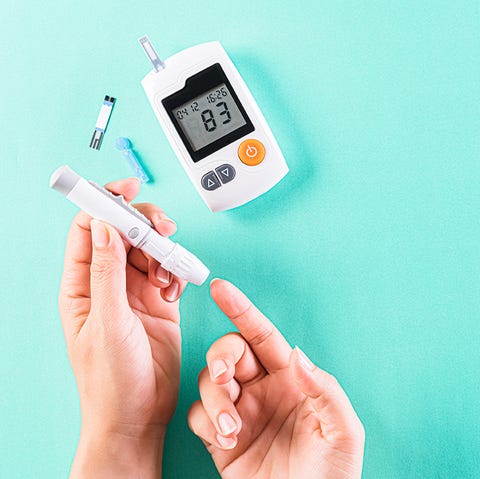
healthcare and medical concept, the diabetic measures the level of glucose in the blood world diabetes day, 14 november
GETTY IMAGES


I check my blood sugar frequently, doing finger pricks twice a day and looking at CGM readings on my phone about 10 times a day. I check based on how I feel, whether I'm eating and my activity levels — all of which vary hour by hour.

After breakfast, I head to work, which these days often means signing in on my laptop. Before the pandemic, I'd always have to factor in my walk to the subway station (and eat something sweet if my blood sugar was going low), silence my phone if a low- or high-glucose alert sounded during a meeting (sometimes I'd have to excuse myself to quickly eat a sugary snack then too) and/or scarf down a piece of candy before running to the subway to go home. Now, on days when I do go to the office, I make sure my co-workers know what to do in case I have a diabetic emergency, which makes a lovely first impression: "Hi, my name is Emily, and I'm diabetic — please inject me using this intimidating syringe of glucose if I pass out!"

Once I get home, I often have to eat a sugary snack again, as my blood sugar tends to drop from all the walking, and then I give myself insulin to cover the carbohydrates that usually are part of my dinner (generally a well-balanced plate of chicken, a low-carb veg like broccoli and a starch like couscous) and fight the urge to snack for the rest of the night. If I eat too late and don't give myself the right amount of insulin, I'll either have to drink a ton of water before bed (to flush out the glucose) or, more often, snack on some glucose tabs or gummy candies before I fall asleep because I gave myself more insulin than I needed to cover the dinner or dessert I ate. Naturally my blood sugar always seems to drop right after I brush my teeth!

For the most part, I've adjusted to my daily schedule. But one thing I truly miss about my life before diabetes is spontaneity. Every walk, meal and outing now needs to be planned to some degree. Gone are the days when I would order sweet-and-sour chicken and the only repercussion would be a bit of indigestion. Now, for stable blood sugars, I usually have to "prebolus," which is essentially giving myself insulin and letting it marinate for about 10 to 15 minutes, so it has time to work before I eat carbohydrates. Thrilling, I know.

The timing can be tricky. If I'm at a restaurant, for instance, and the food takes a lot longer to come than I've anticipated, the situation could become serious—fast. Since my body doesn't produce its own insulin or glucose, it can't regulate my blood sugar. If I give myself insulin and the food doesn't come soon enough afterward, I could experience hypoglycaemia (low blood sugar), which could cause confusion, lack of coordination and seizure in rare cases if left untreated. If I don't give myself enough insulin, I could ultimately go into diabetic ketoacidosis (DKA), a condition in which there is not enough insulin in the blood and the body begins to break down fat as fuel. Like many things in life, it's all about balance.

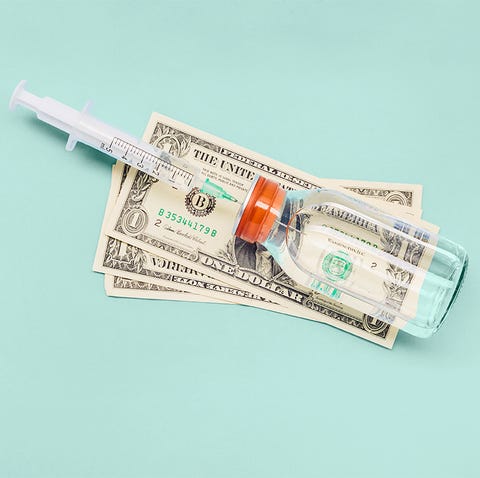
still life of a syringe, ampoule and american dollar banknotes on blue background
GETTY IMAGES

The High Cost of Care

Since I rely on medication to keep me alive every hour of every day and will for the rest of my life, living isn’t cheap for me — especially with insulin prices at a record high. Without insurance, one vial of insulin is around $275. I use anywhere from one to three vials — costing up to $900 before insurance — a month. But I’m lucky: Americans who don’t have medical insurance, or who have plans that cover just the bare minimum, often must choose between groceries and insulin. Paloma Kemak, a type 1 diabetic known as glitterglucose on Instagram, had to seek insulin outside the U.S. a number of times. “My insurance — as my doctor said, ‘if you can even call it insurance’— didn’t cover my insulin,” she says. “I was going through a divorce, dealing with insurance, but seeing the insulin supply in my fridge dwindle. Since I live in Arizona, Mexico isn’t too far, so I made the drive. $300-plus vs. $40? Yes, please.”

According to the journal article “Economic Costs of Diabetes in the U.S. in 2017,” people with diabetes incurred medical costs 2.3 times as high as those without the disease did that year. On average, they spent around $16,750 on medical bills — and that’s just an average. For those who are insulin dependent (as are all type 1 diabetics and some type 2’s), the price is likely much higher. According to the Health Care Cost Institute, in 2016 individuals with type 1 diabetes spent an average of $5,705 on insulin. That doesn’t include supplies like blood sugar test strips, oral medications and more.

Thankfully, the U.S. recently introduced legislation that, if passed, would help mitigate costs for all insured diabetics who use insulin. But until there’s a price cap on insulin for everyone, not just the insured, people will continue to ration the drug, and some will even die because of that.

My Surprising Strength

Looking back at the days just after my diagnosis, I can’t help but be in awe of myself. I moved 1,000 miles away from home, faced my fear of needles head-on and dealt with highs and lows — of both my blood sugar and my emotions. But it’s easy to see the toll this disease has taken on my body: Just look at my scars from past insulin pump sites, my callused fingers from countless finger pricks and the exhaustion from overall lack of sleep (high and low blood sugars don’t happen just during the day).

The disease can be overwhelming, but I’m no longer consumed by it. I’ve come to terms with the fact that my diabetes isn’t going away. Besides, it has brought me so much, taught me so much. Not only have I made many friends in the diabetes community, but I’ve learned that whether it’s a fear of needles or a big medical bill, you never know what battle another person is facing.

https://www.goodhousekeeping.com/health/a41695072/living-with-type-1-diabetes-personal-experience/