Showing posts with label mouth hygiene. Show all posts

Thursday, 4 July 2024

TRICARE Tips for Managing Diabetes and Your Oral Health

From newsroom.tricare.mil

Diabetes is a common condition in the United States. According to the Centers for Disease Control and Prevention, more than 38 million American adults currently have diabetes.

“Even though diabetes is common, many people don’t know about its connection to oral health,” said Douglas Elsesser, a program analyst with the Dental Program Section of the TRICARE Health Plan. “Uncontrolled diabetes can negatively affect your oral health in many ways.”

If you have diabetes, it’s important to keep it under control. Here are some examples of how diabetes can affect your oral health:

  • Reduced saliva production. Saliva helps clean bacteria and neutralize acids that cause tooth decay. Having less saliva increases your risk for cavities.
  • Rapid bacteria growth. High blood sugar levels allow bacteria in the mouth to multiply quickly. Oral bacteria causes gum disease and other infections.
  • Increased plaque build-up. Plaque is a film of bacteria that sticks to teeth. Unchecked diabetes increases plaque build-up. This increases your risk for gum disease.
  • Decreased ability to fight infections. People with diabetes are more prone to gingivitis and advanced gum disease. These infections can destroy gum tissue and bone, leading to tooth loss.

Poor oral health also makes diabetes harder to manage. Gum disease causes inflammation, which can spike blood sugar levels, which is a concern for people with diabetes.

To properly care for your oral health, you can adopt these practices:


  • Brush your teeth twice a day and floss daily.
  • Seek treatment right away if you show any signs of gum disease. Early signs of gum disease include swollen gums, gums that bleed easily, and bad breath that won’t go away.
  • Coordinate treatment with your dentist and physician.
  • Quit smoking and using tobacco.
  • Limit the amount of sugar you eat and drink.
  • Chew sugar-free gum to increase saliva flow.

Sunday, 23 January 2022

Type 1 diabetes symptoms: The 2 changes in your mouth that could be sign of condition

From express.co.uk

TYPE 1 diabetes causes blood sugar levels to become too high and can cause severe damage to the body if left untreated. Blood tests are the best way to diagnose suspected diabetes, but there are a few unusual symptoms that could be an early warning sign.

Type 1 diabetes accounts for about eight percent of all diabetes diagnoses in the UK. Symptoms of type 1 diabetes are largely physical and can affect everything from eyesight to toilet habits. Oral side effects are not uncommon for those living with type 1 diabetes, however, and there is one key sign in your mouth that could indicate this dangerous disease.

What are the main symptoms of type 1 diabetes?

Diabetes is a progressive illness that can cause symptoms to worsen over time.

Early symptoms can vary across individual cases, but there are a handful of key signs which are frequently experienced by type 1 diabetics.

According to the NHS, the most common symptoms of type 1 diabetes include:

  • Feeling very thirsty
  • Peeing more than usual, particularly at night
  • Feeling very tired
  • Losing weight without trying
  • Thrush that keeps coming back
  • Blurred vision
  • Cuts and grazes that are not healing
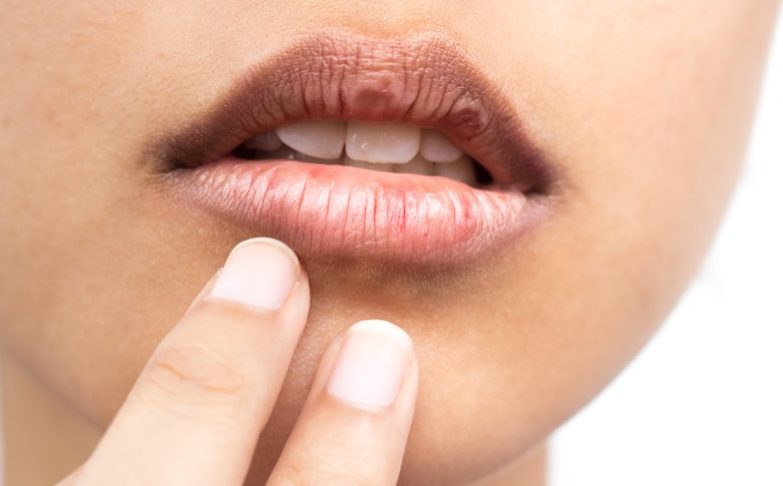
                   Type 1 diabetes symptoms: The change in your mouth that could be warning sign (Image: GETTY)

Fruity-smelling breath and/or a dry mouth are other well-known symptoms associated with type 1 diabetes, but what is it that causes this unusual side effect?

Why is dry mouth a sign of diabetes?

People with diabetes may experience a dry mouth as high blood sugar levels can result in a decrease in saliva flow.

It is important to get a dry mouth checked if it is a reoccurring issue, as it can lead to tooth decay and gum disease.

Some medications used to treat diabetes can also result in a dry mouth as a side effect, however.

Why is fruity-smelling breath a symptom of diabetes?

When the body is unable to use insulin as an energy source, it breaks down fat cells instead.

Not only can this cause unintended weight loss, but it is also responsible for the fruit-scented breath commonly associated with type 1 diabetics.

When fat cells are used for energy, the process produces an acid known as ketones.

Ketones found in the bloodstream are usually discarded through urine, but they can make themselves known when this fails to take place.

Medically accredited website Healthline says: “When the body starts breaking down fat for energy, the effect is fruity-smelling breath or breath that smells like acetone, or nail polish.”

Officially known as halitosis, a foul, sweet or fruity odour on your breath could signal an acute complication of diabetes.
High levels of ketones in the blood are not the only cause of this unusual symptom.

Periodontal disease is another known trigger of fruity-breath in type 1 diabetics and is caused by reduced blood flow to the gums.

Raised glucose levels can also promote bacteria growth, infection and bad breath which could also be to blame for oddly-scented breath.

Any unexplained changes to the scent of your breath should always be raised with a medical professional to rule out the possibility of diabetes.

          Type 1 diabetes symptoms: Daily insulin is the only way for type 1 diabetics to control glucose (Image: GETTY)

How to manage bad breath from diabetes

While type 1 diabetes can’t be prevented, there are a number of remedies to manage unpleasant symptoms triggered by this autoimmune disease.

Warding off the risk of diabetes-induced gum disease can be done with a few simple habits, including:

  • Brushing your teeth twice a day
  • Flossing daily
  • Brushing your tongue
  • Drinking plenty of water to keep your mouth moist
  • Keeping blood sugar levels in their target range
  • Using sugar-free mints or gum to stimulate saliva
  • Keeping on top of dental checks and treatments
  • Taking good care of dentures and always removing them at night
  • Quitting or avoiding smoking


Saturday, 18 December 2021

If You Notice This in Your Mouth, Get Checked for Diabetes, Experts Say

From bestlifeonline.com

Diabetes is a serious, chronic health condition that affects how your body metabolizes sugar.

And, as the 34 million Americans with diabetes know all too well, it can come with a range of 

unpleasant symptoms ranging from unquenchable thirst to poor vision. But sometimes before 

the condition is even diagnosed, there are signs you can look out for. Experts are now warning 

about one that is especially common—and it's something you may notice in your mouth. Read 

on to find out which surprising symptom should be on your radar, and what you can do about 

it if you notice a problem.

If you notice your mouth is often dry, get checked for diabetes.

dry mouth
Shutterstock

According to the Cleveland Clinic, one of the most common symptoms of both type 1 and type 2 diabetes is xerostomia, or dry mouth. This occurs when there is a lack of saliva in the mouth, leading to irritation of the lips, corners of the mouth, gums, and tongue. Additionally, those with xerostomia may develop painful sores in the mouth, or infections in the oral cavity, reports Healthline. The lack of moisture can lead to difficulty swallowing, talking, or chewing.

Though anyone may experience dry mouth from time to time, research has shown that it

 happens more frequently in those with diabetes. A 2016 study published in the Journal of 

Diabetes Research found that diabetes "is probably the most frequent metabolic disease with 

salivary implications, due to its high frequency." In fact, that team acknowledged separate 

research which concluded that 45 percent of those with diabetes experienced hyposalivation, 

compared with 2.5 percent of the control group. 

High glucose levels are likely to blame for this symptom.

Man having his blood glucose levels checked by his doctor for diabetes
iStock

Those with diabetes suffer from an imbalance in glucose levels. When excess glucose enters your bloodstream and saliva, you become "more susceptible to dry mouth and [oral] yeast infections," says a U.K. based network for those with diabetes.

To make matters worse, many diabetes patients experience the related symptom of extreme thirst,  making their mouths feel that much dryer. Additionally, certain medications prescribed to treat diabetes may come with side effects that exacerbate the problem.

Dry mouth may also have one of these other underlying causes.

Of course, not everyone who experiences a dry mouth has diabetes. The symptom can be the result of dehydration, smoking, medication side effects, nasal congestion, radiation therapy, nerve damage, and more.

Regardless of its root cause, you should see a doctor if you've noticed that your symptoms persist over time. "Decreased saliva and dry mouth
can range from being merely a nuisance to something that has a major impact on your general health and the health of your teeth and gums, as well as your appetite and enjoyment of food," notes the Mayo Clinic.

Here's how to minimize the symptom in the meantime.

closeup of man pouring mouthwash
Shutterstock/Andrey_Popov

Until a doctor is able to determine the cause of your dry mouth, experts say there are several things you can do to minimize the impact on your life. First, be sure to stay hydrated by taking sips of water throughout the day. The Mayo Clinic also recommends switching to non-alcohol based mouthwash, using lip balm generously, limiting your caffeine intake, quitting smoking, and investing in a humidifier. You may be able to stimulate the production of saliva by chewing sugar-free gum and trying over-the-counter saliva substitutes, according to the health authority.

Finally, if you suspect that diabetes is at the root of your discomfort, speak with a medical professional about the various ways to keep your blood sugars within the recommended range.

https://bestlifeonline.com/diabetes-dry-mouth-symptom-news/


Thursday, 5 August 2021

Does diabetes affect oral health?

From indianexpress.com

An endocrine disorder, diabetes not only affects various organs of the body, it also has an impact on oral health, said Dr Abhijeet Sharan

Uncontrolled blood sugar levels can affect the eyes, kidneys, nerves, heart, brain, and other body organs, but did you know that it can also affect oral health?

People with high blood sugar levels are at an elevated risk of developing tooth and gum ailments because they have lowered resistance to infection. Also, diabetes can slow down healing, which may interfere with the treatment of periodontal disease, said Dr Abhijeet Sharan, DNB (general medicine), DTM&H, MACP, senior consultant physician (Medica North Bengal clinic).

An endocrine disorder, diabetes not only affects various organs of the body, it also has an impact on oral health, said Dr Sharan.

Diabetes has an impact on oral health too. (Source: Gettyimages/Thinkstock)

What are the common oral health problems that affect diabetics?

Gum abscesses, periodontal disease, fungal infections such as thrush, tooth decay, mouth ulcers, altered taste, and dry mouth.

What is periodontal or gum disease, and how does it affect people with diabetes?

Periodontal or gum disease is a type of infection that destroys the bone surrounding and supporting the teeth. The destruction of the bone that holds the teeth into the jawbone can cause difficulty in chewing.

Sometimes the destroyed bone can house bacteria and food debris, leading to the formation of plaque. If this plaque is left untreated on the teeth and gums, it can harden and form tartar around the gums, which may cause bleeding.

Symptoms of gum disease are

*Red, tender, bleeding gums with swelling
*Continual pus discharge from the gums
*Teeth get loose and pull away from the gums
*Foul taste
*Foul breath
*Deposition of plaque and tartar

Oral health, Diabetes

Ways to have a healthy oral condition when you have diabetes (Source:Gettyimages/Thinkstock)

Why are people with diabetes prone to tooth decay and cavities?

People with increased blood sugar levels have high sugar levels in their saliva with dry mouths.

“When interacting with the bacteria present in the mouth, the high sugar content of the saliva may cause the formation of acid, which slowly dissolves the enamel of the teeth, causing a cavity,” said Dr Sharan.

People with diabetes must regularly visit their dentist to get their teeth cleaned thoroughly. Also, they must maintain proper oral hygiene to prevent cavities and gum disease.

Why are diabetics at greater risk of developing oral fungal infections?

Oral thrush or candidiasis is the most common oral fungal infection caused by an overgrowth of the yeast, which occurs naturally in the mouth. Dry mouth, high glucose levels in saliva and poor resistance to fight an infection contribute a perfect condition for the yeast to grow in the oral cavity.

“The oral thrush exhibits itself as white or red in the inner lining of the mouth. Sometimes the oral thrush can cause painful ulcers. By controlling the blood glucose levels people with diabetes can avoid developing oral thrush,” he mentioned.

How can people with diabetes take care of their oral health?

If you have diabetes and wish to prevent developing tooth and gum problem, it is advisable to:
*Add plenty of green and leafy vegetables to your diet.
*Take your medicine as suggested by the doctor.
*Clean your teeth with fluoride rich toothpaste twice a day.
*Clean your teeth with dental floss to avoid accumulation of food debris between two teeth.
*Avoid having a dry mouth – drink plenty of water or chew sugar-free gum.
*Avoid smoking cigarettes.

https://indianexpress.com/article/lifestyle/health/diabetes-oral-health-blood-sugar-infection-periodontal-disease-7428481/


Tuesday, 18 May 2021

Diabetes Side Effects and Comorbidities

From verywellhealth.com

When an individual has diabetes, it requires a lifestyle change. If changes aren’t made, diabetes can lead to other health conditions.

As a person with diabetes, it is important to fully follow the plan that is given by your doctor to help your condition and possibly prevent long-term complications.

This article outlines comorbidities that can occur alongside diabetes.

checking blood sugar

Sanjeri / Getty Images

Cardiovascular Disease

Research shows it is common that people with diabetes also have cardiovascular disease and other heart-related issues. These conditions are intertwined and can create complications.

It is possible for people who have longstanding diabetes and heart-related conditions to develop other complications such as: 

  • Stroke
  • Congestive heart failure
  • Coronary artery disease
  • Peripheral vascular disease

When a person has type 2 diabetes, their risk for cardiovascular mortality and morbidity is higher than those who do not have diabetes. This is due to the lack of glycaemic control.

Other risk factors include:

  • Obesity
  • Smoking
  • Lack of physical activity

All of these are factors of both conditions.

Research shows that when a person has type 1 diabetes, cardiovascular disease is a major cause of mortality. It is important to work with your healthcare professional to understand your conditions and follow the specified treatment plan related to both.

Dry Mouth

Diabetes can cause too much glucose in the blood. As a result, this can cause infection, pain, and dryness in the mouth.

High amounts of glucose will reduce the ability of saliva to produce effectively. When there are high glucose levels in the saliva, this increases the growth of bacteria. This can also increase the risk of:

  • Gum disease
  • Plaque
  • Tooth decay
Some of the symptoms along with dry mouth include:
  • Pain
  • Cracked lips
  • Mouth infection
  • Problems eating
  • Problems swallowing
  • Problems talking
Along with taking your medicine prescribed by your doctor, other treatments that can help include:

          Consuming frequent sips of water

  • Rinsing the mouth with fluoride to prevent cavities
  • Avoiding caffeine, tobacco, and alcohol
  • Consuming sugarless gum or mints to increase the flow of saliva
  • Avoiding foods with high amounts of sodium and foods that are spicy
  • Using a humidifier at night
  • Having a good oral hygiene regimen

It is important to develop a treatment plan with your healthcare professionals. Both your doctor and dentist can help with a plan that is effective.

Erectile Dysfunction

Research has shown that erectile dysfunction is known to be a complication of diabetes. It is also an under-reported and under-diagnosed condition. Therefore, treatment and the age of diagnosis are delayed.

People who are older and have poor glycaemic control are known to have a higher risk of getting severe erectile dysfunction.

Fatigue

Fatigue is known as mental or physical exhaustion. It can be triggered by:

  • Overwork
  • Physical illness
  • Medication
  • Stress
  • Disease
  • Mental illness

When a person is fatigued, it can impair the mental and physical function for both short-term and long-term activities. Studies recommend that if an individual presents with complaints of fatigue, a healthcare professional should conduct a focused medical and endocrine check-up.

Fatigue is a common factor for both type 1 and type 2 diabetes. Along with diabetes medication, there are other risk factors of fatigue, including: 

  • Inflammation
  • High body mass index
  • Depression
  • Poor diet
  • Lack of exercise and physical activity
  • Poor sleep habits

Some people with diabetes become depressed, which is another condition that is, at times, diagnosed as fatigue.

It is important to speak with a healthcare professional about your specific symptoms so they can accurately diagnose the condition. If the lifestyle, nutritional, and medical factors are ruled out, a targeted gluco-endocrine evaluation should be done to determine a diabetes fatigue syndrome diagnosis.

Foot Ulcers

Diabetic foot ulcers occur in approximately 15% of people with diabetes. The length of time a person has had diabetes is a factor as to whether or not a patient will get a foot ulcer. 

The condition can show up as:

  • Numbness in the foot
  • Poor circulation
  • Foot deformities

About 6% of people with diabetes could be hospitalized due to complications or infections of a foot ulcer.

If a person has type 1 or type 2 diabetes, they can get a foot ulcer. Certain individuals are at higher risk, including those who:

  • Have peripheral vascular disease
  • Have neuropathy
  • Have poor glycaemic control
  • Smoke cigarettes
  • Have diabetic nephropathy
  • Have had previous foot ulcerations/amputations
  • Use insulin
  • Are overweight
  • Consume alcohol

People who have diabetes-related eye disease, heart disease, and kidney disease are also at a higher risk. 

Treatment for diabetic foot ulcers includes:

  • Applying medication or dressings to the ulcer
  • Managing blood glucose
  • Taking the pressure off the area
  • Removing dead skin and tissue

Ulcers are not always infected. If one does become infected, see your healthcare professional regarding proper medication and care.

Gum Disease

Gingivitis or gum disease occurs when plaque builds up around your teeth and inflammation in the gums occurs. For people who have diabetes, the inflammatory response to the plaque is greater.

Some of the symptoms of gum disease include:

  • Loose teeth
  • Sensitive teeth
  • Gums that are swollen, red, or bleeding
  • Bad breath

If a person does have gum disease and it goes untreated, it can turn into periodontitis. This is an infection that damages the soft tissue of the gum, and it can damage the bones that support your teeth.

Some of these suggestions can help prevent gum disease: 

  • Avoid acidic drinks—they are known to erode the enamel on the teeth
  • Floss regularly
  • Regularly brush your teeth and gum line gently
  • Brush your tongue to help get rid of bacteria

It is important to go to your regularly scheduled dental and doctor appointments. Your healthcare professionals can help you create a plan and possibly prevent complications.

Hearing Loss

A large number of people have both hearing loss and diabetes. It is estimated that 34.5 million people have hearing loss and more than 34 million people in the United States have diabetes. 

A recent study reported that hearing loss is twice as common with people who have diabetes. It is speculated that high blood glucose levels in diabetic patients may cause damage to the small blood vessels in the inner ear. However, more research needs to be conducted to confirm this theory. 

Although hearing loss is gradual over time, it is important to look for symptoms. Some of the signs of hearing loss are the following: 

  • Turning up the television to a volume that is too loud
  • Asking people to repeat themselves
  • Trouble following conversations that have more than two people

If you feel you are experiencing hearing loss, contact your doctor so they can assist you in getting the help that you need.

Hypoglycaemia

Hypoglycaemia happens when the blood sugar falls below a certain range. If the blood sugar falls below 70 mg/dL, that is considered too low. It is important to check with your healthcare professional about your specific numbers.

If you are diabetic and hypoglycaemic, this may cause an insulin shock.

Some ways to stay current with your blood sugar numbers is to:

  • Regularly check your blood sugar
  • Use a monitor
  • Keep an eye out for symptoms
Hypoglycaemia symptoms include:
  • Being nervous or anxious
  • Sweating or chills
  • Irritability or impatience
  • Confusion
  • Tiredness
  • Feeling weak or having no energy
  • Blurred/impaired vision
  • Tingling or numbness in the lips, tongue, or cheeks
  • Headaches
  • Clumsiness
  • Nightmares or crying out during sleep
  • Seizures

If you have any of these symptoms, contact your doctor right away.

Kidney Failure

The kidneys are an important function of the body. Diabetes is the leading cause of kidney disease. In fact, about one out of three adults with diabetes have kidney disease.

A healthy kidney filters waste out of the bloodstream and controls blood pressure. If a kidney is not healthy, it can’t filter properly and the waste will build up.

An unhealthy kidney can also lead to other health problems. If a person has diabetes over a period of years, the kidney will become damaged, disease can occur, and eventually kidney failure can occur. This is due to the blood pressure and glucose being too high.

It is important to talk to your doctor and check your kidneys to make sure they are healthy. It is recommended that you get tested every year if you have type 2 diabetes and if you’ve had type 1 diabetes for more than five years.

If a person has diabetes and is not active, eats foods high in sodium, doesn’t follow the eating plan, smokes, has heart disease, or is obese, they are at an increased risk of developing kidney disease and/or failure.

Memory Loss

When a person has diabetes, it may increase the risk of memory loss and other cognitive problems.

When the blood glucose is higher than normal, it is known to damage nerve cells and blood vessels in the body and brain. Diabetes is also known to damage the capillaries which could also cause a slow progression of memory loss.

Research has shown that people with type 2 diabetes could have a higher risk of developing dementia. Overall, if the diabetes is not properly controlled, the chances of having complications with memory are higher. It is important to manage your condition and follow the plan provided by your doctor.

Neuropathy

Diabetic neuropathy happens when there is nerve damage due to diabetes. There are different types with different symptoms. Some of the symptoms affect the internal organs, heart, and bladder.

A person who has this condition may experience pain and numbness in the feet and issues with internal organs.

With diabetic neuropathy, nerve damage happens over time. This is due to the high blood sugar, and high levels of triglycerides in the blood due to diabetes. There are different types of diabetic neuropathy, and the symptoms for each vary. These include: 

  • Peripheral neuropathy: This is very common and is known to affect primarily the feet and legs. There are times that the arms and hands are affected too. Approximately one-half to one-third of patients with diabetes have peripheral neuropathy.
  • Autonomic neuropathy: This affects the nerves that control the internal organs. It is also known to lead to hypoglycemic unawareness. This can create complications with the digestive system, bladder, sweat glands, eyes, heart rate, and blood pressure.
  • Focal neuropathies: This causes damage to single nerves that are common in the head, leg, torso, or hand. Carpal tunnel syndrome is the most common type of this condition.
  • Proximal neuropathy: This typically affects one side of the body. The areas that are impacted are the buttock, thigh, and hip. The symptoms are known to improve over a period of months or years.
Obstructive Sleep Apnoea

Obstructive sleep apnoea commonly affects people who have type 2 diabetes. Research shows that up to 83% of people with type 2 diabetes have this condition.13

There is an association between this condition, insulin resistance, and glucose intolerance. More research needs to be done to conclude that treatment of obstructive sleep apnoea can prevent the compilations and development of type 2 diabetes.

Skin Infections

Diabetes affects the skin in different ways. Sometimes, certain problems with the skin such as itching, fungal infections, and bacterial infections are a sign that a person has the condition. If an individual has diabetes, they are known to get these types of skin conditions easier.

Other skin conditions that people specifically with diabetes could develop include: 

  • Acanthosis nigricans: This appears on the side of the armpits, neck, and groin as tan or brown raised areas. They can occasionally appear on the hands, knees, and elbows.
  • Diabetic dermopathy: These are patches that are circular or oval. The texture and colour are scaly and light brown. They primarily appear on the front of the legs. The patches are not known to hurt or itch.
  • Necrobiosis lipoidica diabeticorum: This is a rare condition that is commonly known to affect adult women. Necrobiosis lipoidica diabeticorum begins as a raised area that is red and dull. Over time it develops into a shiny scar with a violet border. This skin condition is known to be painful and itchy, and the spots may crack open. If this happens, contact your doctor to get treatment.
Vision Impairment

When an individual has diabetes, they can develop problems with their eyes. Diabetic retinopathy can cause complete blindness and vision loss in people with diabetes.

This condition affects the blood vessels in the retina. Diabetic retinopathy can lead to:

  • Neovascular glaucoma: This happens when fluid is blocked from draining out of the eye due to abnormal blood vessels growing out of the retina.
  • Diabetic macular edema: When this condition occurs, the vision becomes blurry because there is extra fluid in the macula. The extra fluid is due to the blood vessels in the retina that leak fluid and cause swelling in the macula area of the eye.

Although there are no direct symptoms, it is important to notice any changes in the eyes. As a person with diabetes, it is important to get an eye exam once a year, including a comprehensive dilated exam. This can help with prevention and vision protection.

A Word From Verywell

If you are an individual who is living with diabetes, it is important to follow the plan that your doctor has created for you. It is also important to educate yourself on your condition so you can have a healthy quality of life and prevent any complications. If you have questions or concerns about your condition, your doctor can help.

https://www.verywellhealth.com/side-effects-of-diabetes-5181506


Monday, 4 November 2019

Link Made Between Mouth Health, Diabetes

From publicnewsservice.org

PORTLAND, Ore. – Connections are becoming clearer between good oral health and treating high blood sugar.

November is Diabetes Awareness Month, and one way folks can better manage the disease is by seeing a dentist.

Dr. Lisa Bozzetti is the dental director at the Virginia Garcia Memorial Health Centre in Hillsboro, originally founded to serve Oregon's migrant farm worker population in Yamhill and Washington counties. She says dental health and diabetes don't have a causal relationship, but they're on a two-way street – looking after one improves the other.

"Patients who present with diabetes do tend to have a much higher incidence of periodontal disease,” she points out. “And there is some research to support that when you address the periodontal disease with cleanings – whether they be deep cleanings or just regular maintenance cleanings – that they do have an effect on stabilizing blood sugars."

Bozzetti adds the incidence of gum disease is two to three times higher for patients with diabetes.

     The incidence of gum disease is two to three times higher for people with diabetes, and                                         either condition can exacerbate the other. (vetkit/Adobe Stock)

Alexa Jett, oral health integration manager for CareOregon, describes the relationship between the two as a cycle, where high blood sugar increases inflammation throughout the body, causing more gum inflammation and insulin resistance.

That's why her organization is working to integrate dental care, which is covered for patients on Oregon's Medicaid plan, into primary care settings.

"Oral health is part of routine diabetes care, just like it would be seeing your doctor for your blood sugar check or an eye exam, or a foot exam," Jett explains.

Virginia Garcia Memorial Health Centre is one place where CareOregon is pioneering work to more deeply connect oral health and primary care.

Bozzetti says the centre is in the process of integrating the two.

"We actually are embedding dental hygienists in some of our primary care clinics,” she states. “And one of our ideas was to embed a dental hygienist in a primary care clinic that had a large percentage of diabetic patients."