From diatribe.org
Key takeaways:
- Regular physical activity, even in small doses, can significantly improve blood sugar management and overall health.
- Eating a balanced, healthy diet that limits calories and ultra-processed foods, not smoking, and limiting alcohol consumption can help prevent diabetes complications.
- Prioritizing sleep, managing stress, and seeking support from healthcare professionals can help reduce the emotional and physical burden of living with diabetes.
Some factors like age, genetics, and the environment we grow up in are beyond our control. However, focusing on lifestyle changes, like nourishing our bodies by eating nutritiously and being more physically active, are in our control – and can help improve diabetes management and overall well-being.
Forming healthy habits takes time and can be challenging, but by taking small steps (literally) you can make healthy behaviour changes part of your routine. Here is diaTribe’s best guide for getting started.

Exercise: A little movement goes a long way
The American Diabetes Association (ADA) and the World Health Organization (WHO) recommend getting at least 150 minutes of moderate-intensity physical activity per week, such as a brisk walk or yoga session, or 75 minutes of vigorous aerobic activity like running, swimming, or cycling.
Setting aside two and a half hours a week to exercise may seem daunting, especially if you aren’t used to consistent physical activity, but reaching the magic number of 150 minutes may be easier than you think. For example, vacuuming or yard work can get your heart rate up without needing to set aside special time for exercising. If you start by breaking exercise down into smaller chunks that are more realistic for your lifestyle, there’s a higher likelihood you’ll be able to stick with it.
Move after meals
Dr. Chhaya Makhija, an endocrinologist and CEO of Unified Endocrine & Diabetes Care, said that one of the most transformative lifestyle changes she has seen in her patients with diabetes is engaging in some form of movement after meals.
“Walking after meals can show phenomenal improvement as patients don’t have to think about a structured schedule or going to the gym,” Makhija said.
Taking off some pressure by starting small and celebrating daily wins is an effective way to achieve long-lasting habits that help improve blood sugar management and overall well-being, Makhija added.
Here are some other simple ways to begin incorporating more movement into your life:
- Opt to take the stairs instead of the elevator.
- When driving somewhere, park at the farthest spot from the entrance to add extra steps to your day.
- Get a walking pad (think of a mini, less expensive version of a treadmill) to use while watching your favourite TV shows.
- If you have kids or pets, spend some time playing games like tag, fetch, or soccer.
- If you’re new to exercise or are trying to get back into it, there are lots of beginner-friendly YouTube videos for exercises you can do from home.
Get short bursts of exercise
If you’re physically able or short on time, getting at least 75 minutes of vigorous-intensity physical activity per week will also get the job done. Research shows that going for a run or doing high-intensity interval training helps reduce A1C levels, improve insulin sensitivity, and benefit heart health.
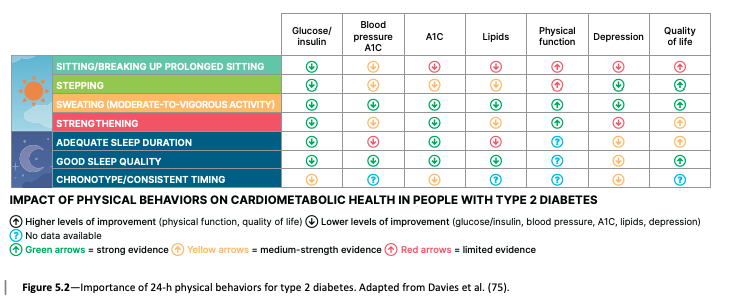
Credit: ADA Standards of Care 2025
However, short bursts of intense exercise can lead to fluctuations in blood sugar, especially in people with type 1 diabetes or type 2 diabetes who use insulin. Glucose levels may drop during exercise as muscles burn more sugar for energy; after a workout, the release of adrenaline can ramp up glucose production in the liver, causing blood sugar levels to rise. However, there are effective strategies you can adopt to address sudden fluctuations, such as carrying backup glucagon and insulin with you. It’s important to consult with a healthcare provider before starting a vigorous exercise program, especially if you’re new to more intense physical activity.
Resistance training
Strength or resistance training two or more times a week has also been found to be helpful for people with type 2 diabetes, as increased muscle mass is associated with lowered A1C levels. This is because muscle tissue is better at absorbing and using glucose from the bloodstream, which helps improve blood sugar regulation.
Sarah Hormachea, registered dietician and certified diabetes care and education specialist (CDCES), says that resistance training is especially important for women during the peri- and postmenopausal phases, as they often face challenges related to a drop in oestrogen levels. Resistance training, particularly for women with type 1 diabetes, could help prevent the decline in muscle strength and mass associated with lower oestrogen levels and improve cardiovascular outcomes.
Whether you have prediabetes, gestational diabetes, type 1 or type 2 diabetes, finding an activity you truly enjoy will make maintaining a consistent exercise plan easier. Don’t like running? Don’t run. Love gardening? Tend to those flowers to your heart’s content. The key is to limit the amount of time spent sitting and staying active consistently.
Nourish your body
Eating what’s right for your body goes hand-in-hand with getting enough physical activity, but it’s easier said than done. Studies have found that ultra-processed foods account for over half of the total caloric intake in U.S. adults – and it’s even higher in children.
Ultra-processed foods include packaged snacks, breakfast cereals, ready-made meals, and other food or drinks that undergo significant processing that strips foods of many essential nutrients. Diets high in these products are directly associated with over 30 health conditions, one of which is type 2 diabetes. These foods are packed with “empty calories,” meaning they provide little to no nutritional benefit, and are designed to encourage overeating. Hormachea recommends cutting back on added sugar, which is often found in processed foods.
“A sweet treat here and there is fine, but Americans are consuming an average of 80 grams of added sugar per day from foods that don’t even taste that sweet,” she explained. “That’s nearly double the recommended limit. This puts immense pressure on our pancreas to produce extra insulin.”
A good overall rule to avoid nutrient-deficient, high-calorie foods is to read the nutrition label before you buy them. If you don’t recognize the majority of the ingredients on the label, it’s most likely processed food that will leave you craving more while doing little for your health. Additionally, you can limit dramatic increases in blood sugar by taking insulin prior to snacking or eating high-carbohydrate meals since it takes a while for insulin to take effect. If you experience a low, be mindful of the food or drinks you use to get your blood sugar back up – your favourite low snack may lead to an overcorrection that causes your glucose to spike.
While there is no one-size-fits-all meal plan for healthy eating, there are certain recommendations that can help you make healthier food choices and stabilize your blood sugar levels. For example, the ADA’s 2025 Standards of Care suggests limiting sodium consumption to under 2,300 mg/day, selecting ingredients that have at least 3 grams of fibre, and avoiding foods that are high in saturated fat. Instead, plan meals that are high in healthy (unsaturated) fats, such as salmon, avocado, nuts, and olive oil.
A common misconception about diet that Makhija has seen in her practice is that carbohydrates are bad for people with diabetes. On the contrary, complex carbohydrates that are minimally processed and high in fibre, such as whole grains (brown rice, quinoa, and oats) and vegetables (sweet potatoes, broccoli, and leafy greens) are very effective in targeting insulin resistance or improving insulin sensitivity.
Makhhijja also mentioned that many people with diabetes she sees think they should avoid fruit because of their sugar content. She explained that fruit is actually a rich source of antioxidants, fibre, and vitamin C. However, fruit juice is an exception as it contains less fibre than whole fruit and should be avoided.

Avoiding sugary drinks and opting for water can help you stay hydrated, which is crucial for people with diabetes because water helps your kidneys filter out excess sugar that can be eliminated through urine, preventing kidney damage.
One of the most important things to keep in mind when making changes to your diet is to steer clear of the "all or nothing" mindset.
“The pursuit of perfection is so self-sabotaging. I can’t tell you how many clients come to me after trying highly restrictive, unsustainable diets that make their entire attitude toward health and wellness miserable. They may only be a month into their journey, and they’re already burned out,” Hormachea said.
Instead of trying to overhaul your dietary habits all at once, focus on one small change you can commit to and build consistency in that area.
Avoid smoking and limit drinking
It’s well known that smoking and vaping generally aren’t good for you, but it also increases the risk of developing prediabetes and type 2 diabetes. It can also make it harder to manage your blood sugar levels if you already have diabetes.
This is because nicotine increases your blood sugar and makes cells less responsive to insulin; people with diabetes who smoke or vape may need higher doses of insulin to manage their blood sugar. Quitting isn’t easy, but doing so can reduce the risk of stroke, heart disease, and cancer all while helping manage diabetes in the long run.
The ADA suggests limiting alcohol consumption to two drinks per day for men and one drink per day for women, with one drink being equivalent to a 12-oz beer, 5 oz of wine, or 1.5 oz of distilled spirits. People with diabetes who consume alcohol can follow the same guidelines as those without diabetes, and alcohol consumption is not promoted in those who don’t currently drink.
The long-term effects of alcohol use in people with diabetes are still unknown. The ADA warns that excessive drinking can trigger episodes of low blood sugar that are difficult to distinguish from the effects of being inebriated, like slurred speech and drowsiness, for example. People who drink alcohol can also have problems with blood pressure.
Both hypoglycaemia and hyperglycaemia are risks associated with alcohol consumption in people with diabetes, but there are ways to safely consume alcohol if you have diabetes. To minimize these risks, people with diabetes should monitor their blood sugar before and after drinking. Not drinking on an empty stomach, going for diabetes-friendly options such as light beer or dry wines, and checking your blood sugar levels before bed can help ensure that you keep your blood sugar in check while enjoying an adult beverage.
Get enough sleep
For people with diabetes, prioritizing sleep is not just about feeling rested – it directly affects your body’s ability to manage insulin, balance hormones, reduce inflammation, and maintain a healthy weight.
When you sleep, the body undergoes several restorative processes that improve insulin sensitivity. During deep sleep, the body becomes more responsive to insulin, making it easier to manage blood sugar levels. Getting enough sleep also regulates important hormones, such as cortisol (a stress hormone that raises blood sugar), and hunger hormones like leptin (the hormone that signals fullness) and ghrelin (the hormone that triggers hunger). When you're well-rested, you're less likely to experience hunger cravings and are more likely to make healthier food choices, which is important for managing blood sugar and many other bodily functions.
Getting at least seven hours of uninterrupted sleep can be difficult for people with diabetes due to night-time blood sugar fluctuations that may require adjustment, frequent urination, or pain related to diabetic neuropathy. Because these factors have been found to significantly impact the quality of life for people with diabetes, it’s crucial to establish healthy sleep habits. Here are some tips to help improve the quality of your sleep:
- Try to go to bed and wake up at the same time every day, even on weekends, and prioritize sticking to your sleep schedule.
- Keep your bedroom cool, dark, and quiet, and remove distractions like electronics to create a sleep-friendly environment.
- Avoid caffeine in the afternoon and alcohol close to bedtime, as both can disrupt sleep.
- Practice relaxing activities like reading, meditation, or deep breathing before bed to help you unwind.
- If you use an insulin pump, check the settings before you go to bed to avoid highs or lows at night.
By allowing the body to rest and repair, sleep can help with weight management, blood glucose levels, and improve your mental health.
Reduce stress
Living with diabetes can be overwhelming, but you don’t have to go through it alone. LaurieAnn Scher, a CDCES, said that one of the most common mistakes is that people don’t ask for help.
“I always suggest that people meet with someone upon diagnosis to create a relationship that they can call upon when difficult times occur,” she said. “Having a therapist with experience in working with people with diabetes or prediabetes is important.”
A CDCES can also help guide people with diabetes through the different stages of their condition by providing education, support, and advocacy. Reaching out for support can help people with diabetes feel more empowered to manage their condition and their mental health..
Managing a chronic condition like diabetes can be physically and emotionally demanding, which makes finding time for yourself essential. Scher emphasized the importance of incorporating relaxation into a routine to help reduce stress and improve overall well-being. There are many stress management strategies but some tactics she recommended to unwind and recharge include:
- Meditation
- Yoga
- Walking
- Journaling
- Singing
- Dancing
- Crafting or creating art
- Gardening
- Prayer or tea ceremonies
- Spending time in nature
Taking time for these activities not only helps manage stress but also provides a much-needed break, allowing you to better focus on your health and diabetes management.
The bottom line
From getting regular physical activity and making smarter food choices to prioritizing sleep and managing stress, incorporating these habits into your daily routine can make a tremendous difference in how you feel. By focusing on what you can control and seeking support when needed, you can be empowered to live a healthier, more fulfilling life with diabetes.
https://diatribe.org/lifestyle/diabetes-wellness-guide-essential-tips

