Tuesday, 9 April 2024

Healthy eating, physical activity, and medication: Type 2 diabetes patients' willingness to engage varies

From news-medical.net

Type 2 diabetes (T2D) may occur as a result of unhealthy lifestyle habits. People with T2D are often associated with diets with excessive sugar, high alcohol consumption, smoking, and have sedentary habits.

This has sparked much interest in determining the optimal lifestyle changes that could help normalize dysfunctional metabolic pathways in T2D patients.

A recent study in Primary Care Diabetes explores the willingness to engage in various management options for T2D among recently diagnosed patients.

Healthy lifestyle in T2D

Obesity characterizes most T2D patients. As such, most of them show a reduction in their glycated haemoglobin A1c (HbA1c) 0.6–1.2% if they lose 5% or more of their body weight. If this fails to restore glucose levels to normal, medication is initiated, usually metformin, as the first step.

Lifestyle adjustments are key to managing T2D. However, not much is known about how possible it is to achieve these changes. Earlier research revealed that there are several types of barriers to adopting healthy lifestyle habits.

These include beliefs that lifestyle modification is not worthwhile or that medication works just as well or better while being easier to implement. Poverty, ignorance, and lack of adequate support also pose barriers.

The current study aimed to evaluate the level of willingness among recently diagnosed T2D patients towards three types of modifications comprising healthy diet, adequate physical exercise, and proper use of medications.

About the study

The researchers used an online survey to assess patient factors among recently diagnosed type 2 diabetes patients living in either the Netherlands or in the UK.

The mean age was 57 years, over half were on metformin as part of T2D treatment, and one in three lived in the UK.

What did the study show?

There were 67 patients included in the survey. About half of them reported their willingness to use any of the three management options, in contrast to 6% who rejected all three.

A healthy diet was an acceptable option for three out of four of the participants. The same proportion was willing to perform physical exercise and medication, respectively.

People who were more willing to exercise or take medications were more likely to have a higher combined score for all three areas: their capability, opportunity, and motivation to make lifestyle changes.

Factors like educational level, body mass index (BMI), smoking or drinking, eating habits, or exercise levels, were not found to be independently associated with willingness to change lifestyle patterns.

Diet

Patients in the Netherlands were significantly more favourable towards the adoption of a healthy diet. UK patients often thought poorly of the recommended diets.

A doctor’s recommendation was more often found to underpin those patients who showed greater willingness to eat healthy compared with the other group.

Interestingly, both willing and unwilling groups believed in the effectiveness of a healthy diet in managing weight and blood glucose levels, as well as similar hindrances vs. facilitating factors.

Healthy eating was often opposed by beliefs that the recommended diet was not suitable for the patient, usually because they had other illnesses as well.

Thus,  individual beliefs about what comprises a healthy diet must be specifically asked for and addressed when prescribing such an approach.

Exercise

Especially with respect to exercising, people who were ready to take it up believed it was a feasible option compared to those who were unwilling. The former also perceived more positive outcomes compared to the latter.  

Barriers like poor motivation and the difficulty of exercising in hot surroundings and sticking to it when away from home were more likely to be unwilling to exercise.

Those who expressed willingness to exercise were more likely to have companions and to find it easier, as well as feeling better while exercising.

Both groups showed the same beliefs regarding the efficacy of exercise in managing T2D and in overall health and weight management.

Medication

People willing to take medication were more likely to believe that medication helps reduce blood glucose and to have acquaintances who were helped by medication.

Conversely, unwillingness was associated with beliefs that without a reminder, medication intake would be low or that there were significant side effects.

Conclusions

People who have recently been diagnosed with type 2 diabetes are often encouraged to change lifestyle habits, including their eating patterns and physical activity, and to begin medication.

The vast majority are willing to use any of these options to manage their condition. This may be in part because they have not had time to experience any negative outcomes of these management choices.  

Only half of the patients were willing to use all three approaches to manage their diabetes.

“Most of the recently diagnosed patients not willing to manage T2D with medication were willing to engage in healthy eating or physical activity. Nonetheless, a substantial proportion was not willing to engage in both healthy eating and physical activity.”

Compliance with healthy eating or exercise patterns does not seem to be influenced by their beliefs about the available management options.

Country-wise variability was observed in the degree of willingness to follow dietary recommendations.

The presence of obstacles, irrespective of willingness to use one or more approaches indicates that “willingness to engage in something does not guarantee successful implementation and tailored support should be part of personalized diabetes care.”

This is shown to be essential for helping T2D patients achieve good diabetic control, beginning with the approach most agreeable to the patient.

https://www.news-medical.net/news/20240408/Healthy-eating-physical-activity-and-medication-Type-2-diabetes-patients-willingness-to-engage-varies.aspx 

Monday, 8 April 2024

Heavy alcohol use linked to increased risk of Type 2 diabetes in middle-aged adults

From news-medical.net

Heavy alcohol use may increase middle-aged adults' risk of developing Type 2 diabetes, according to research to be presented this week at the American Physiology Summit in Long Beach, California. The Summit is the flagship annual meeting of the American Physiological Society (APS).

Heavy alcohol use is defined by the National Institute on Alcohol Abuse and Alcoholism (NIAAA) as five or more drinks per day or 15 or more drinks per week for men and, for women, more than four drinks per day or eight or more drinks per week.

Heavy alcohol use can diminish liver and pancreas function. Reduced function of these organs in turn can affect control of glucose (blood sugar) in the body. In regard to heavy drinking, research suggests young adults do not typically experience severe impairment of fasting glucose levels and insulin resistance. However, as the U.S. population ages, the number of people that develop Type 2 diabetes is increasing. The association between alcohol use and diabetes in older adults is not clear.

Researchers from University of Texas at Arlington's Cardiovascular Laboratory of Health studied two groups of middle-aged adults between the ages of 50 and 64. One group of volunteers ("heavy drinkers") was at risk for developing alcohol use disorder, as defined by the U.S. Alcohol Use Disorders Identification Test-;a questionnaire that asks about drinking frequency and volume-;and a dried blood spot phosphatidylethanol (PEth) test. A PEth test measures levels of a biomarker that forms in the blood after consuming alcohol. The PEth biomarker can be detected in the blood up to four weeks after drinking alcohol. A PEth score of 20 nanograms per millilitre (ng/mL) or higher indicates alcohol consumption that exceeds NIAAA recommendations. The second group of volunteers was labelled "nonheavy drinkers," with PEth scores under 20 ng/mL.

The research team analysed additional blood samples from both volunteer groups. The heavy drinkers had higher fasting glucose levels, which "suggest[s] that heavy alcohol use may have negative effects on glucose regulation in aged populations," the researchers wrote.

Although there were no significant differences in kidney or liver function between the two groups, "alcohol drinking that exceeds the recommended limits causes organ damage throughout the body and increases not only the risk of potentially developing Type 2 diabetes, but also other diseases. Our team recommends not drinking every day. If [people] do drink alcohol, make sure for men, [it's] no more than four drinks on any single day … and for women, no more than three drinks on any single day."

Chueh-Lung "Laura" Hwang, PhD, PT, senior author of the study

This study was funded by NIAAA AA028537.

https://www.news-medical.net/news/20240407/Heavy-alcohol-use-linked-to-increased-risk-of-Type-2-diabetes-in-middle-aged-adults.aspx 

Wednesday, 3 April 2024

The 8 Best Grains for People With Diabetes

From diatribe.org

Grains are an excellent source of fibre and other vital nutrients, but which are best for diabetes? Here's why nutritious options like farro, oats, and quinoa are at the top of the list.


You’ve heard both sides of the story: watch out for carbs and eat whole grains. Whole grains are indeed carbs. So, do you have to avoid them?

The answer is a resounding no. You can enjoy an assortment of whole grains as part of your balanced diet. Grains have a blood-sugar-lowering effect, are extremely versatile, and can add variety to your meals. 

Which ones should be on your plate? Explore these grain options and discover why you should be eating them.

What are grains?

Grains are the seeds of grassy plants or cereals like wheat and corn. The seeds of non-grassy plants or pseudo-cereals like quinoa and buckwheat are also edible. Common grains include: 

  • Corn

  • Wheat

  • Rice

  • Quinoa

  • Barley

  • Farro

  • Buckwheat

  • Oats

  • Rye

  • Amaranth

This staple food group is the main source of nutrition worldwide and has been for thousands of years. Grains contain protein and polyphenols, which are plant-based compounds with powerful antioxidants that reduce inflammation.

Furthermore, grains are an exceptional source of dietary fibre. For optimal digestion and overall health, it’s suggested that you get between 22-34 grams of fibre daily, depending on your age and gender. 


The Dietary Guidelines for Americans recommends half of your grains come from whole grain sources. Whole grains contain the entire seed, including the germ, bran, and endosperm, whereas refined grain only contains the endosperm.

While refined grains like white bread and rolls, refined cereals, and white rice are commonly consumed, it’s better to go with whole grains. The germ and bran of the grain are full of fibre, vitamins, and minerals, so whole grains beat refined grains in nutrient profile, hands down.

Grains and diabetes prevention

Diets that include a high amount of whole grains can significantly decrease the risk of developing type 2 diabetes.

One study found that for 50 grams of whole grains consumed daily, there was a 23% reduced risk of diabetes. The researchers analysed various studies involving whole grain consumption and found that 60 grams of whole grains was optimal for diabetes prevention.

How do whole grains prevent diabetes? Whole grain intake may reduce inflammation and postprandial blood glucose levels. Additionally, whole grain consumption can lower the risk of weight gain. All of these are factors in diabetes risk.

Grains and blood sugar management

Already have diabetes? Grains should be a part of your diet. Upping your fibre intake to 35 grams per day (or increasing your intake by 15 grams) may lower your A1C, cholesterol, triglycerides, body weight, inflammation markers, and longevity.

Furthermore, grains have an impact on gut bacteria, thereby reducing inflammation, and repairing insulin signalling and beta cell dysfunction.

So what grains give you the best nutrient bang for your buck? Here are eight that will boost your fibre consumption – and taste great.

Best grains for people with diabetes

1. Farro

Nutrition in 1 cup cooked: 200 calories, 41 grams carbs, 4 grams fibre, 8 grams protein

Registered dietitian Christina Badaracco loves to recommend farro. 

“It’s an ancient variety of wheat that includes three species: spelt, emmer, and einkorn. Its chewy texture and nutty flavour make it very satisfying,” Badaracco said. “Its versatility enables it to be incorporated into any meal of the day and dishes representing very diverse cultures.” 

Ancient grains have a low glycaemic index. When compared to other wheat products, farro has a higher protein, fat, and overall nutrient content. It can be added to soups or salads, used as a base in a grain bowl, or served as a side.

“It is a whole grain that provides many important vitamins, minerals, and polyphenols as well as fibre. When combined with produce, healthy fats, and protein, it can be an excellent component of a balanced meal that can help to manage blood sugar and weight,” Badaracco added.

2. Oats

Nutrition in 1 cup cooked: 166 calories, 28 grams carbs, 4 grams fibre, 6 grams protein

Oats are a popular grain and touted for their many health benefits. 

“I suggest them because they're a good source of soluble fibre to help with blood sugar and lipid reduction. They are also filling, which may help with regulating appetite,” said registered dietitian Lisa Andrews.

The plant compounds in oats help to decrease post-meal glucose levels and boost healthy gut bacteria. 

“In addition, they are affordable and easy to make in the microwave in two minutes. I like to add cinnamon and vanilla to mine as well as sliced almonds, chia seeds, or ground flaxseed,” Andrews said. 

Beyond breakfast, oats make a terrific add-in to meatloaf and pumpkin oatmeal cookies.

3. Quinoa

Nutrition in 1 cup cooked: 222 calories, 39 grams carbs, 5 grams fibre, 8 grams protein

While most grains need complementary food to make a complete protein, quinoa is a stand-alone option. Quinoa is a powerhouse grain that is a complete protein and a remarkable source of fibre.

The protein peptides in quinoa have been found to help manage blood sugar by preventing your body from absorbing carbohydrates in the small intestine, thereby reducing glucose levels.

Quinoa is a wonderful staple for vegans and omnivores alike. Scramble cooked quinoa with eggs, use it to fill your tacos, or pair it with https://diatribe.org/roasted-tofu-and-brussels-sprouts-ginger-vinaigrettehttps://diatribe.org/roasted-tofu-and-brussels-sprouts-ginger-vinaigrette for a delicious dinner.

4. Sorghum

Nutrition in 1 cup cooked: 211 calories, 46 grams carbs, 4 grams fibre, 7 grams protein

A gluten-free option that contains plenty of antioxidants, sorghum is a cereal grain to add to your grocery list. 

One study that evaluated the active compounds in sorghum identified 20 that work to promote overall health. Out of those, four seem to help with diabetes management by regulating a signalling pathway that affects energy use and metabolism.

Sorghum has a chewy texture, nutty flavour, and can be eaten in a variety of ways. This sorghum salad will help you reach your fibre goals. Additionally, sorghum can be popped for a crunchy snack.

5. Buckwheat

Nutrition in 1 cup cooked: 155 calories, 34 grams carbs, 4.5 grams fibre, 6 grams protein

Like quinoa, buckwheat contains all nine essential amino acids. Buckwheat is an excellent source of protein, fibre, and potassium. It’s also a gluten-free grain, making it an option for those with celiac disease.

One of the plant compounds in buckwheat, rutin, has been found to regulate gut bacteria and may slow digestion. Delayed absorption of carbohydrates may improve post-meal blood glucose spikes.

Buckwheat can be made into a porridge for breakfast or added to salads. You can also use buckwheat flour to make high-fibre pancakes and muffins.

6. Barley

Nutrition in 1 cup cooked: 193 calories, 44 grams carbs, 6 grams fibre, 4 grams protein

A cereal grain that is a staple worldwide, barley is a slowly digested starch. 
“Barley is a great whole grain for its versatility and nutrition. Barley is a great source of protein as well as iron and magnesium,” said registered dietitian Amanda Lane.

Barley and barley flour have a lower glycaemic index than wheat and may play a role in regulating gut bacteria. It also has a positive impact on gut hormones and appetite.

Barley pairs well with most savoury dishes and can also be eaten as a porridge or sweetened with fruit for a different twist on this adaptable grain.

7. Wheat

Nutrition in 1 cup cooked bulgur: 152 calories, 34 grams carbs, 8 grams fibre, 6 grams protein
Nutrition in 1 slice whole wheat bread: 70 calories, 12 grams carbs, 3 grams fibre, 4 grams protein

Wheat is probably the most well-known grain. While wheat has been vilified by some, it can be an inexpensive way to up your fibre intake. Of course, it should be avoided by those who have a gluten sensitivity. But most people tolerate wheat just fine.

The key is to choose whole wheat products that leave the wheat kernel intact. Opt for whole grain bread for your sandwiches and whole wheat flour for baking. The germ and bran (which are often removed in processed, white flour foods) are healthier than processed wheat. 

Wheat germ has also been found to reduce stress and depression scores in people with diabetes by positively impacting a protein that promotes nerve growth and connection.

Bulgur, a hulled wheat kernel product, has a high fibre and manganese content and is another way to incorporate whole wheat into your diet.

8. Amaranth

Nutrition in 1 cup cooked: 250 calories, 46 grams carbs, 5 grams fibre, 9 grams protein

A pseudo-cereal like quinoa and buckwheat, amaranth is a gluten-free grain that is rich in nutrients. Amaranth has a higher protein content than cereal grains and is rich in calcium, potassium, and magnesium. 

It’s also worth adding to your diet because of its antioxidant and peptide activity, which can promote health and regulate blood sugar. Try amaranth flour in your baked goods or pizza dough for a heart-healthy alternative to processed flour.

Amaranth can also be made into a porridge or a nutty-tasting side dish. It can also be popped for a snack or crunchy topping for your salad.

In summary, we all need to prioritise fibre for optimal digestion and health. Incorporating a variety of whole grains, rather than processed foods, is an excellent strategy to meet your fibre targets each day.

https://diatribe.org/8-best-grains-people-diabetes 

Tuesday, 2 April 2024

UK: Diabetes patients to be offered artificial-pancreas technology

From bbc.co.uk

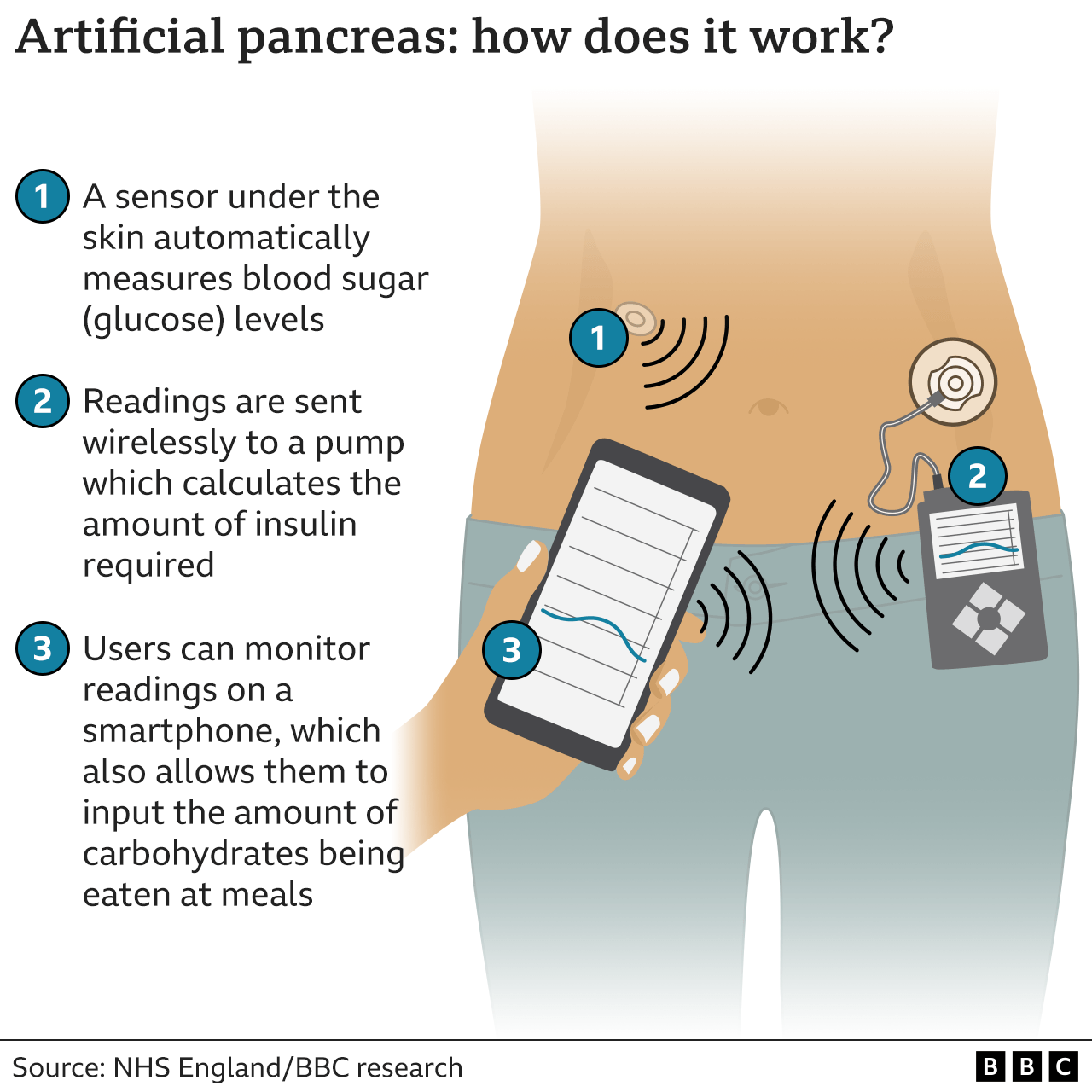
Tens of thousands of people with type 1 diabetes in England are to be offered a new technology, dubbed an artificial pancreas, to help manage the condition.

The system uses a glucose sensor under the skin to automatically calculate how much insulin is delivered via a pump.

Later this month, the NHS will start contacting adults and children who could benefit from the system.

But NHS bosses warned it could take five years before everyone eligible had the opportunity to have one.

This is because of challenges sourcing enough of the devices, plus the need to train more staff in how to use them.


                       The technology automates the release of insulin into the bloodstream  (Getty images)

In trials, the technology - known as a hybrid closed loop system - improved quality of life and reduced the risk of long-term health complications.

And at the end of last year, the National Institute of Health and Care Excellence (Nice) said the NHS should start using it.

Nearly 300,000 people in the UK have type 1 diabetes, including about 29,000 children.

It means their pancreas fails to produce insulin, an important hormone that helps turn food into energy.

They have to closely monitor levels of sugar, or glucose, in the blood and give themselves insulin every day of their lives, via either injections or a pump.

And this new technology does that automatically, virtually mimicking the function of a pancreas - although it still requires information on food intake to be inputted at mealtimes to work accurately.

Graphic

The new technology is intended to help prevent people with type 1 diabetes experiencing life-threatening low or high blood glucose levels, which can lead to unconsciousness and can even be fatal.

And it also helps to improve overall blood sugar control, which means the chance of complications - like heart disease, eyesight problems and kidney disease - decreases.

Scotland is also offering the technology, and Wales and Northern Ireland could soon follow suit.

Gemma Lavery, 38, from Plymouth, who is using the device after being part of an NHS pilot scheme, says it has transformed her life.

"I no longer have to worry about work-related stress affecting my blood-glucose levels, as the closed loop helps to sort this out before it becomes a problem," she says.

"I can have a full night's sleep without worrying about regular low glucose levels hindering my morning routine and I have found that my diabetes is more stable."

'Incredibly exciting'

Prof Partha Kar, NHS national speciality advisor for diabetes, said the move was "great news for everyone with type 1 diabetes".

"This futuristic technology not only improves medical care but also enhances the quality of life for those affected," he added.

NHS England diabetes clinical director Dr Clare Hambling said the technology "holds the power to redefine the lives" of people with type 1 diabetes.

She added: "Type 1 diabetes is an easily missed diagnosis, so if you are concerned about symptoms - the four 'T's - going to the toilet, passing urine more frequently, with thirst, feeling tired and getting thinner, please come forward for support."

Diabetes UK chief executive Colette Marshall said: "It's incredibly exciting to see this technology being rolled out.

"This really is a landmark moment."

Nice approved the NHS roll-out of the system last December, with the NHS later setting out a five-year plan for how to provide it for those eligible.

Nice recommends its use for those with type 1 who are in certain categories, including children and under-18s, pregnant women, and those with a HbA1c reading - a way of recording long-term blood sugar levels - of 58 mmol/mol, or 7.5%, or higher.

https://www.bbc.co.uk/news/health-68684976 

Monday, 1 April 2024

Three ways to prevent and potentially reverse type 2 diabetes, according to a doctor

From chroniclelive.co.uk

A health expert says that if you want to reduce the risk of diabetes, the key aspects are keeping a healthy weight and keeping physically active 

A doctor has outlined ways that can help to prevent and potentially even reverse type 2 diabetes.

In the UK, around seven million people are estimated to have prediabetes - and, as a result, have a high risk for developing type 2 diabetes. Prediabetes occurs when blood sugar levels are abnormally high, but lower than the threshold for diagnosing diabetes.

Type 2 diabetes is a common condition that causes the level of sugar (glucose) in the blood to become too high. It can cause symptoms like excessive thirst, needing to urinate a lot and tiredness. But, many people have no symptoms, the NHS says.

Speaking to Jonathon Wolf on his health-focused podcast show, ZOE, Professor Naveed Sattar shed light on preventing, treating, and potentially reversing type 2 diabetes. Naveed is a medical doctor and Professor of Metabolic Medicine at the Institute of Cardiovascular and Medical Sciences at the University of Glasgow, reports the Liverpool Echo.

Starting off the episode by explaining to listeners one of the biggest myths of diabetes, Professor Sattar said: "My patients' biggest myth often when I tell them that they may have type 2 diabetes, or at risk is, that they don't eat much sugar. But type 2 diabetes is a disease of excess weight to a level in themselves that leads to too much fat in the wrong places - including within the liver.

He later added: "People no longer store fat peripherally and that excess fat gets deposited into some of the key organs in the body that are exquisitely sensitive to too much fat which will disrupt their ability to control sugar levels." When asked by Jonathan if there is a difference between men and women in terms of their risks of diabetes, the professor warned: "Women have a lower risk of type 2 diabetes than men, for reasons linked to where they store body fat."

                                                                                                             (Image: iStockphoto/Getty Images)

In terms of reversing your risk of getting type 2 diabetes, Professor Sattar said: "If you want to reduce the risk of diabetes, the key aspects are keeping a healthy weight as much as you possibly can and keeping relatively physically active. Those are the two major things, as you cannot stop aging."

Going into depth about how damaging too much sugar can be to your body after a long period of time, he said: "High sugars immediately do not cause damage, it takes about five to 10 to 15 years. The older you become to get diabetes, the slower your sugar will elevate, because it's less linked to weight gain.

"The younger you develop diabetes, it's more toxic and it's a more toxic disease. Sugar levels rise faster and you tend to have to need more weight. The reason you tend to need to have more weight to trigger diabetes is because when you're young, you tend to have a bigger muscle and your pancreas is healthier.

"So in other words, to overcome those and to have better buffering capacity, when you're younger you need to stress the system more by putting more fat in the wrong places." However, the expert added: "But that comes with all the other risk factors."

For clarification, Jonathan asked: "So what you're saying is that if I can hold getting diabetes off till I'm 75, then at that point maybe you could start to eat chocolate all day?" Sattar replied: "I wouldn't necessarily say that, but I'm less worried about diabetes because it's not going to massively impair my life expectancy, if at all.

"It's not going to lead me to have a raging eye, kidney or nerve disease, if at all. Whereas, if you're in your 40s and 50s and you're in pre-diabetes, some small sustainable lifestyle changes can help."

Suggesting steps people can take to lower their risk or prevent themselves from getting diabetes, Sattar says you could either put on a bit more muscle mass, while staying the same weight, or lose three-four kilograms, and sustain that via healthy diet and activity to avoid you putting the weight back on.

He said: "That will probably delay you developing diabetes for five or 10 years. Some people can delay this for a long time or even revert to normal sugar levels so it's effectively improving your muscle mass, cutting your weight ectopic fat sufficiently enough to de-stress your glucose control mechanisms."

About 25 years ago Sattar says he was a bit heavier and his signals for diabetes were incredibly high. But now, it has come down because he's built more muscle mass, got rid of a few pounds and made some lifestyle changes. "I've also made some dietary changes as well," he told Jonathan. "Cutting out some of the refined sugars, increasing the variety of the foods I eat including more fibre rich foods."

https://www.chroniclelive.co.uk/news/health/three-ways-prevent-potentially-reverse-28915527