Monday, 13 February 2023

Diabetes: 5 important nutrients that can lower diabetes risk

From hindustantimes.com 

A recent study linked Vitamin D supplementation with lowered risk of diabetes. From Omega-3 fatty acids, Selenium to Chromium, here are nutrients that can reduce your diabetes risk
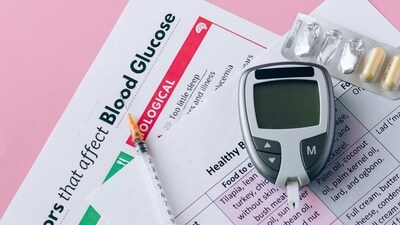
Glucometers are an important tool to monitor your blood sugar levels.(Pexels)

What you eat can have a significant impact on your overall health and the risk of getting certain diseases. Nutritional deficiencies are considered one of the main culprits behind many diseases be it anaemia or osteoporosis. Recently a study published in Annals of Internal Medicine by researchers from the Tufts Medical Centre in Massachusetts found that supplementing with Vitamin D might slightly reduce the risk of type 2 diabetes for people with prediabetes. Type 2 diabetes occurs when the body either doesn't produce enough insulin or resists insulin. This can cause a blood sugar imbalance in the body and the excess sugar can start harming our internal processes. Apart from Vitamin D, there are many other nutrients that can help prevent diabetes from Omega-3 fatty acids, Selenium to Chromium.

"Type 2 diabetes is a lifestyle disorder which can be managed well by making healthy choices for food and being more active. Inflammation is one of the major causes of diabetes and the right combination of the foods that we consume have the power to reduce this inflammation and heal the body. The variety of foods that we consume contain a plethora of nutrients and these have the power to make a positive change in the condition and often reverse diabetes in the initial stages," says Avantii Deshpaande, Gut Health Expert and Nutritionist.

Avantii suggests 5 important nutrients that can help cut diabetes risk:


1. Vitamin D

The role of Vitamin D in the prevention of diabetes has sparked widespread interest in the recent times. Vitamin D deficiency is associated with a decreased insulin release, insulin resistance and type 2 diabetes as noted in several studies and a supplementation of vitamin D restores insulin secretion. The reason for this is that Vitamin D is required for the synthesis of calcium and insulin secretion is calcium-dependent process. Hence Vitamin D deficiency will affect this pathway and reduce the insulin production.

Limited Vitamin D is present in food sources; egg yolks, fatty fish, organ meats and certain types of mushrooms are known to have Vitamin D.

Vitamin D is known as the sunshine vitamin. The D2 vitamin present under the skin is converted to active D3. Many people have insufficient levels because they live in places where the sunlight is limited in winter or because they have limited sun exposure due to being inside much of the time.

It's best to get your Vitamin D levels tested once in six months and supplement if needed to maintain an optimum level for better management of diabetes.


2. Fibre

'Eat more fibre'. As a nutritionist we insist on this very often. For people with diabetes, fibre is very powerful. Not only does it manage your weight but also has a beneficial impact on your blood glucose levels. There are two types of fibre: insoluble and soluble. Insoluble fibre found in bran, vegetables and whole grains keeps the digestive tract running smoothly. Soluble fibre found in oatmeal, nuts, seeds, beans lentils and peas help to lower your cholesterol levels and improve the blood glucose control.

Make it a point to include 5 serves of fruits and vegetables in the diet and consume whole grain diet reducing the use of refined flour and junk food.


3. Omega 3 fatty acids

Omega-3 fatty acids are necessary for the normal growth and development and several studies have reported that omega-3 fatty acids reduce the plasma triglycerides and increase the HDL cholesterol.

Diabetes is caused due to inflammation. Omega-3 fatty acids are anti-inflammatory and reduce the oxidative stress.

Omega-3 fatty acids occur as DHA and EPA are found in plant and animal sources. In the non-veg sources they are present in marine fish like sardines, mackerel, salmon, tuna, herring etc and in the vegetarian foods, they are found in seeds like flax, pumpkin, melon seeds and also in nuts like almonds and walnuts.

Make it a point to include fish in the diet at least 2 times a week and 1-2 tbsp of seeds and 30 g of nuts in the diet every day.


4. Selenium

Selenium is an antioxidant nutrient and protects the pancreatic islets from oxidation and improves its function. A study which administered 200 micrograms of selenium taken on an empty stomach for 6 months by 75 diabetics along with a healthy diet showed a decrease in the blood sugar, HBA1C, cholesterol and LDL and increase in the good HDL cholesterol.

Beans, lentils, fish, Brazil nuts, fortified cereals and whole wheat are some of the sources of selenium in food. A Mediterranean diet, which is rich in fruits and vegetables and whole grains seems to be the best to manage diabetes.


5. Chromium

Chromium is an essential mineral that enhances insulin activity, Studies have shown that chromium is deficient in people with type 2 diabetes. Chromium Supplements enhance the action of insulin and lower some of the risk factors for cardiovascular disease particularly in overweight individuals. Chromium is present in many foods including meats, grain products, fruits, vegetables, nuts, spices, brewer's yeast and wine. Make it a point to include these foods in the diet for prevention of diabetes.

Managing type 2 diabetes is easier if the positive lifestyle changes are done along with being more active.

https://www.hindustantimes.com/lifestyle/health/diabetes-5-important-nutrients-that-can-lower-diabetes-risk-101676268394320.html

Saturday, 11 February 2023

Can lifestyle and nutrition be the answer for metabolic syndrome and type 2 diabetes remission?

From news-medical.net

The prevalence of diabetes is increasing rapidly throughout the world. According to the International Diabetes Federation, approximately 10.1% of the global population could have type 2 diabetes mellitus (T2DM) by 2035. Recently, scientists have reviewed the existing literature to elucidate the root cause of metabolic syndrome and type 2 diabetes. This review is available in Endocrinology and Metabolism Clinics of North America.

Background

Around 90% of T2DM cases are related to sedentary living, obesity, high consumption of processed and carbohydrate-rich foods, smoking, stress, high alcohol intake, and poor sleep habits. T2DM contributes to multi-organ dysfunction, which includes coronary artery disease. 

Hyperinsulinemia reduces high-density lipoprotein cholesterol (HDL-C) levels, increases triglyceride levels, and impairs glucose tolerance (IGT). T2DM, particularly the hyper-insulinemic state, causes adipocyte dysfunction, destructive chronic inflammation, and cytokine activation.

Effectiveness of weight loss and physical activities in preventing metabolic diseases

Years of extensive research have established that obesity is associated with hyperinsulinemia, insulin resistance, T2DM, and pancreatic b-cell dysfunction. This condition can be effectively managed through lifestyle and behavioural changes.

Although obesity influences metabolic syndrome, weight loss may not be the only solution to tackle metabolic disease manifestation. The early phase metabolic syndrome can be effectively modified through nutritional modification, dietary caloric restriction, and physical activity (PA).

PA plays an important role in restricting the progression of prediabetes to T2DM. It has been observed that high PA enables a 30% reduction in diabetes risk. Based on the homeostasis model assessment insulin sensitivity (HOMA-IS), 30 minutes of moderate-to-vigorous intensity PA leads to a 15% difference in insulin sensitivity. Even moderate-intensity walking improves metabolic syndrome. 

Although vigorous-intensity exercise leads to greater weight loss, a high amount of moderate-intensity exercise has also shown better glucose homeostasis. This finding was contradicted by another study which revealed that compared to moderate-intensity exercise, high-intensity exercise not only reduces the risk of metabolic syndrome but also reverses the risk factors that cause metabolic diseases.

Regular PA is a crucial component of lifestyle modification (LSM) for metabolic syndrome management. A sedentary lifestyle is regarded as the fourth-highest risk factor for increased mortality. Regular exercise, dietary modifications, and weight loss improve disease risk factors. Notably, moderate-intensity walking of 13.8 miles per week was found to be as effective as the combination of diet and exercise in preventing the progression of prediabetes to diabetes.

Technological improvements, such as smartphone and smartwatches tracking mechanisms, have helped monitor the daily number of steps and activity levels. After an 8-week intervention of 12,000 steps/weekday, a significant reduction in visceral fat, triglycerides, HDL-C, and fasting glucose was observed.

Effectiveness of balanced nutrition in diabetes management

In addition to PA, dietary interventions help prevent T2DM. The effectiveness of lifestyle interventions in patients with impaired IGT and fasting glucose (IFG) was confirmed in a US-based Diabetes Prevention Program. Importantly, the risk of diabetes was reduced by 90% in participants who underwent weight loss and achieved the required PA. 

Another study indicated that a lower fat intake caused weight reduction, which ultimately caused a 3.0% incidence of diabetes, compared to the control group, where 9.3% diabetes incidence was noted. Weight loss has been correlated with improved insulin sensitivity. 

The Mediterranean diet is rich in fruits, vegetables, legumes, seeds, fish, eggs, nuts, olive oils, moderate consumption of red wine, and reduced red meat intake. This diet introduces a variety of phytochemicals and polyphenols, which inhibit gut glucose absorption and aid insulin sensitivity. A higher intake of blueberries, apples, and pears, which contain abundant flavonoid subclasses of anthocyanins, lowers the risk of T2DM.

The Western Diet, associated with a high intake of red meats, saturated fats, processed foods, and refined grains, increases the risk of T2DM. In contrast, the Mediterranean diet is linked to several health benefits, such as improved insulin resistance and insulin sensitivity, reduction in oxidative stress, inflammation, lipid levels, and platelet aggregation, and enhancement in gut-microbiota diversity.

Several studies have pointed out that the Mediterranean diet alleviates cardiovascular disease, certain cancer types, Alzheimer’s disease, and many more health conditions. Although a higher plant-based food intake reduces prediabetes and T2DM, increased consumption of potatoes and sweetened fruit juices reverses the effect. 

Twelve months of consuming a low-carbohydrate ketogenic diet (LCKD) revealed a reduction in HbA1c levels from 6.6% to 6.1%. In addition, the ketogenic diet showed significant weight loss and reduction in diabetes medication. 

Intermittent fasting (IF) is a type of dietary intervention involving calorie restriction for a period of time, i.e., one or several days per week of fasting. IF is further categorized into time-restricted feeding, alternate-day fasting, intermittent calorie restriction, religious fasting, and periodic prolonged fasting. IF regimens were highly associated with weight loss. 

Conclusion

Taken together, LSM is extremely relevant for patients with metabolic syndrome. Weight loss, balanced nutrition, and physical activity reverse metabolic syndrome, reduce cardiovascular risk, and improves the overall health of patients.

https://www.news-medical.net/news/20230210/Can-lifestyle-and-nutrition-be-the-answer-for-metabolic-syndrome-and-type-2-diabetes-remission.aspx


Friday, 10 February 2023

A mindful way to help manage type 2 diabetes?

From health.harvard.edu

Mindfulness practices like yoga may help people with diabetes control blood sugar

Lifestyle changes like regular exercise, a healthy diet, and sufficient sleep are cornerstones of self-care for people with type 2 diabetes.

But what about mind-body practices? Can they also help people manage or even treat type 2 diabetes? An analysis of multiple studies, published in the Journal of Integrative and Complementary Medicine, suggests they might.

Which mindfulness practices did the study look at?

Researchers analysed 28 studies that explored the effect of mind-body practices on people with type 2 diabetes. Those participating in the studies did not need insulin to control their diabetes, or have certain health conditions such as heart or kidney disease. The mind-body activities used in the research were:

  • yoga
  • qigong, a slow-moving martial art similar to tai chi
  • mindfulness-based stress reduction, a training program designed to help people manage stress and anxiety
  • meditation
  • guided imagery, visualizing positive images to relax the mind.

How often and over what time period people engaged in the activities varied, ranging from daily to several times a week, and from four weeks to six months.

What did the study find about people with diabetes who practiced mindfulness?

Those who participated in any of the mind-body activities for any length of time lowered their levels of hemoglobin A1C, a key marker for diabetes. On average, A1C levels dropped by 0.84%. This is similar to the effect of taking metformin (Glucophage), a first-line medication for treating type 2 diabetes, according to the researchers.

A1C levels are determined by a blood test that shows a person’s average blood sugar levels over the past two to three months. Levels below 5.7% are deemed normal, levels from 5.7% to less than 6.5% are considered prediabetes, and levels 6.5% and higher are in the diabetes range.

How can mind-body practices help control blood sugar?

Their ability to reduce stress may play a big part. "Yoga and other mindfulness practices elicit a relaxation response — the opposite of the stress response," says Dr. Shalu Ramchandani, a health coach and internist at the Harvard-affiliated Benson-Henry Institute for Mind Body Medicine at Massachusetts General Hospital. "A relaxation response can lower levels of the stress hormone cortisol. This improves insulin resistance and keeps blood sugar levels in check, thus lowering A1C levels."

A relaxation response can help people with diabetes in other ways, such as by improving blood flow and lowering blood pressure, which protects against heart attacks and strokes.

What else should you know about this study?

The results of studies like this suggest a link between various mind-body practices and lower A1C levels, but do not offer firm proof of it. Levels of participation varied widely. But because all mindfulness practices studied had a modest positive effect, the researchers suggested that these types of activities could become part of diabetes therapy along with standard lifestyle treatments.

Could mind-body practices protect people against developing type 2 diabetes, especially for those at high risk? While this study wasn’t designed to look at this, Dr. Ramchandani again points to the long-range benefits of the relaxation response.

"Reducing and managing stress leads to improved moods, and greater self-awareness and self-regulation," she says. "This can lead to more mindful eating, such as fighting cravings for unhealthy foods, adhering to a good diet, and committing to regular exercise, all of which can help reduce one’s risk for type 2 diabetes."

Trying mind-body practices

There are many ways to adopt mind-body practices that can create relaxation responses. Here are some suggestions from Dr. Ramchandani:

  • Do a daily 10-minute or longer meditation using an app like Insight Timer, Calm, or Headspace.
  • Attend a gentle yoga, qigong, or tai chi class at a local yoga studio or community center.
  • Try videos and exercises to help reduce stress and initiate relaxation responses.
  • Practice slow controlled breathing. Lie on your back with one or both of your hands on your abdomen. Inhale slowly and deeply, drawing air into the lowest part of your lungs so your hand rises. Your belly should expand and rise as you inhale, then contract and lower as you exhale. Repeat for several minutes.


Type 2 Diabetes: Vitamin D May Slightly Lower Risk for People with Prediabetes

From healthline.com

  • Researchers are reporting that vitamin D supplementation can slightly reduce the risk of developing type 2 diabetes for people who have prediabetes.
  • The risk reduction, however, was lower than other prevention strategies.
  • Experts caution that people should be careful about how much vitamin D supplementation they take.

Supplementing with vitamin D might slightly lower the risk of type 2 diabetes for people with prediabetes, according to a study published today in Annals of Internal Medicine.

Researchers from the Tufts Medical Centre in Massachusetts completed a review and meta-analysis of three clinical trials looking at the impact of vitamin D on the risk of developing type 2 diabetes.

The scientists looked for studies that included adults who took 4,000 IU of vitamin D supplements with a three-year follow-up.

They ended up with 2,097 participants who took vitamin D supplements and 2,093 who received a placebo. 

During the trial dates:

  • 475 people, or about 22%, in the vitamin D group received a new-onset diagnosis of diabetes
  • 524 people, or about 25%, in the placebo group received a new-onset diagnosis of diabetes

The researchers extrapolated the numbers into a 15 percent decrease in the risk of developing type 2 diabetes for the participants taking vitamin D supplementation.

The researchers pointed out that vitamin D supplements could be an inexpensive way to delay type 2 diabetes in more than 10 million people worldwide with prediabetes.

Extrapolating their findings to account for the estimated 374 million adultsTrusted Source worldwide who have prediabetes, the researchers pointed out that vitamin D supplements could be an inexpensive way to delay type 2 diabetes in more than 10 million people.

The researchers noted that a decrease of 15% is lower than other type 2 prevention strategies:

The supplements were generally well-tolerated.

Adverse events included kidney stones as well as high levels of calcium in the urine or blood, but the incidence rate for all was rare and there was no significant difference between the participant groups.

The researchers did not examine safety because the study parameters excluded some people who might be at risk for kidney problems.

The exclusions included children, pregnant or lactating women, hospitalized patients, those with end-stage renal disease, and HIV.

“Professional societies, which advise physicians about the benefits and harms of vitamin D therapy, have a duty of care to understand advice from government agencies, said Dr. Malachi McKenna of St. Vincents University Hospital in Ireland and Mary A.T. Flynn, Ph.D., of Brown University in Rhode Island in an accompanying editorial.

“They should promote population health recommendations about vitamin D intake requirements, thresholds, and safe limits,” the editorial writers noted. “There are important differences between supplementation and therapy. Vitamin D supplementation of 10 to 20 mcg (400 to 800 IU) daily can be applied safely at the population level to prevent skeletal and possibly non-skeletal disease. Very-high-dose vitamin D therapy might prevent type 2 diabetes in some patients but may also cause harm.”

The study did include people at high risk for type 2 diabetes, so the results cannot be generalised for the overall population.

After the trial ended, approximately 30% of the participants' glucose levels returned to their levels before the study.

“These are interesting studies, and results should prompt further investigations in the form of large randomized trials,” said Dr. Rose Lin, an endocrinologist at Providence Saint John’s Health Centre in California.

“The level of vitamin D associated with a non-significant reduction in diabetes is much higher than the generally recommended safe dosage, so recommendations for the general population to raise their vitamin D levels to this degree is not advised at this time,” she told Healthline.

Vitamin D is a nutrient that our body uses in multiple ways, according to the National Institutes of HealthTrusted Source:

  • Helps the body absorb calcium to keep bones and keeps muscles healthy
  • Assists nerves carrying messages to the brain
  • Aids the immune system in fighting off bacteria and viruses

The daily recommended amount of vitamin D changes with age.

  • Infants to 12 months should get 400 IU per day
  • Adults aged 71 and older should get 800 IU per day
  • The recommendation for everyone else is 600 IU per day

“One of the best ways to get a good dose of vitamin D is through a combination of sunlight and supplementation,” Dr. Mahmud Kara, the founder of Kara MD, told Healthline. “Sunlight offers a good natural source of vitamin D while a supplement can help supplement that source, especially for those that may live in less sunny areas.”

Kara suggests asking the following questions when looking for a supplement:

  • Does the product clearly display a supplement facts panel with ingredients, dosage, and ingredient quantities? Or is that information missing?
  • Are the claims about the product detailed or supported by research? Or are they vague?
  • Does the company include customer feedback, both positive and negative? Or do they only show you the 5-star reviews?
  • What does the return policy look like? Does the company stand behind its product?

Only a few foods naturally have vitamin D. These include fatty fish, mushrooms, beef liver, and eggs.

“Supplements are effective in raising vitamin D levels and can be equally effective compared to dietary sources of vitamin D,” Lin said. “Studies have shown that even in states where individuals have high sun exposure, there is still a high prevalence of people with low vitamin D levels.”

https://www.healthline.com/health-news/type-2-diabetes-vitamin-d-may-slightly-lower-risk-for-people-with-prediabetes

Tuesday, 7 February 2023

Diabetes breakthrough brings world closer to life without insulin

From msn.com

Scientists have identified a protein that they say could replace insulin therapy for people with diabetes.

A research team at the University of Geneva (UNIGE) has been working on an alternative approach to insulin for several years, based on the S100A9 protein.

The protein – tested on diabetic mice - can significantly improve metabolism rate and regulate blood glucose, lipids and ketones, a chemical produced by the liver when the body doesn’t have enough insulin to turn glucose into energy.

The study has also discovered an anti-inflammatory effect triggered by the protein, which could be used to treat inflammatory disorders elsewhere.

Insulin is most commonly used to treat type 1 diabetes, but it is also prescribed in more severe forms of type 2 diabetes.

Synthetic insulin celebrated its 100th anniversary in 2021 (Getty Images/iStockphoto)

Synthetic insulin celebrated its 100th anniversary in 2021 (Getty Images/iStockphoto)© Provided by The Independent

Type 1 diabetes, also known as juvenile diabetes or insulin-dependent diabetes, occurs when the body cannot produce a hormone called insulin, which controls blood glucose. Those living with the condition must inject themselves with insulin either manually, using an insulin pen, or with a pump which continuously drip-feeds insulin. There is currently no cure.

In type 2 diabetes, the pancreas typically cannot produce enough insulin. Diabetes UK reports that common treatments for type 2 include keeping a healthy weight, being active, weight loss surgery, and taking medications such as tablets and injections, which can include insulin. Some cases can be brought into remission.

But for all its life-saving benefits, insulin can come with side effects. “Life-threatening hypoglycaemia, negative impact on fat metabolism and increased cholesterol: these are some severe side effects of insulin.

“This is why we are looking to develop complementary or alternative treatments that are more effective and less dangerous”, said Roberto Coppari, a professor and coordinator of the Diabetes Centre of UNIGE Faculty of Medicine.

The scientists will initially test the drug in combination with low doses of insulin, but it does not rule out the possibility of using S100A9 protein alone in the future.

According to type 1 diabetes charity JDRF UK, approximately 400,000 people are currently living with type 1 diabetes in the UK, including around 29,000 children.

https://www.msn.com/en-gb/health/other/diabetes-breakthrough-brings-world-closer-to-life-without-insulin/ar-AA17cB5z 

Sunday, 5 February 2023

World Cancer Day: Is type 2 diabetes linked to the risk of increased cancer mortality?

From healthshots.com

Having type 2 diabetes is a nightmare enough, and it can make matters worse for cancer patients. It can increases your chances of mortality


The prevalence of type 2 diabetes is on an increase in India. Patients with diabetes are more likely to develop and die from cancer, as per statistics. The link between type 2 diabetes and cancer mortality is a growing concern for public health, and it is important for individuals with this chronic condition to be aware of the potential dangers.

Read on to know more about the type-2 diabetes and how it increases the risk of cancer.

The link between type-2 diabetes and cancer mortality

According to several scientific studies, type 2 diabetes, characterised by high blood sugar levels, is associated with an increased risk of dying from cancer. A study followed over 200,000 individuals for over a decade and found that those with type 2 diabetes had a 13 percent higher risk of dying from cancer compared to those without the condition. The increased risk was largely due to higher incidence of liver, pancreas, and endometrial cancers.

Another meta-analysis reviewed over 20 studies and found that individuals with type 2 diabetes had a 17 percent higher risk of dying from cancer compared to those without the condition. The analysis concluded that type 2 diabetes is associated with an increased risk of developing several types of cancer, including liver, pancreas, endometrial, colorectal, breast and bladder cancer.

How does diabetes increase cancer mortality risk?

The exact mechanisms underlying the link between type 2 diabetes and cancer are not yet fully understood, but several theories have been proposed. These include insulin resistance, oxidative stress, and chronic inflammation, which may contribute to the development and progression of cancer cells.

Insulin resistance, a hallmark of type 2 diabetes, can result in increased levels of insulin and insulin-like growth factor (IGF) in the body, both of which are known to promote the growth of cancer cells. Oxidative stress, an imbalance between the production of free radicals and the body’s ability to neutralise them, is also linked to the development of cancer. Individuals with type 2 diabetes are at increased risk for oxidative stress due to their high blood sugar levels and insulin resistance. Chronic inflammation, a persistent low-grade inflammation, is another factor linked to the development of cancer. People with type 2 diabetes are at an increased risk for chronic inflammation due to their high blood sugar levels and insulin resistance.

It is also important to note that type 2 diabetes and cancer share several risk factors, including ageing, obesity, and physical inactivity, which can increase the risk of both conditions.

Take precautions to manage type 2 diabetes

In view of these findings, it is essential that individuals with type 2 diabetes take steps to manage their condition and reduce their risk of cancer. This can include lifestyle changes such as maintaining a healthy weight, engaging in regular physical activity, and eating a balanced diet. Regular cancer screenings and working with a healthcare provider to effectively manage type 2 diabetes are also crucial.

In conclusion, the link between type 2 diabetes and increased cancer mortality is a growing concern for public health. It is important for individuals with this chronic condition to be aware of the potential dangers and take proactive steps to manage their health. By maintaining a healthy weight, engaging in regular physical activity, and eating a balanced diet, individuals with type 2 diabetes can reduce their risk of both conditions and improve their overall health outcomes.

https://www.healthshots.com/preventive-care/self-care/world-cancer-day-is-type-2-diabetes-linked-to-risk-of-increased-cancer-mortality/

Saturday, 4 February 2023

Type 1 Diabetes May Be Treatable with Immunological Drug

From genengnews.com

Swedish researchers have begun a clinical study on an approved drug for treating psoriasis that will be tested on patients who were recently diagnosed with type 1 diabetes. The theory is that the drug could preserve the patient’s remaining insulin production.

Marcus Lind, MD, PhD, a professor of diabetology at the University of Gothenburg and chief physician responsible for clinical diabetes research at Sahlgrenska University Hospital and NU-hospital Group, heads the project. He noted that the study could mean a big change in how type 1 diabetes is treated:

“Of the mechanisms now being investigated for immunological treatment of type 1 diabetes, I have the greatest confidence in this one, but I am well aware of how difficult success will be,” he says.

An immunological disease

Type 1 diabetes is one of the most common chronic diseases in children, but the disease can also develop in adults. In the disease, the body’s own immune response destroys beta cells in the pancreas so that the body can no longer produce insulin. People with type 1 diabetes need to take insulin injections or use an insulin pump and strictly track their blood sugar levels for the rest of their lives, which requires a lot of effort.

The beta cells die slowly, so everyone with newly developed type 1 diabetes continues to produce insulin during the first years of the disease.

“They benefit greatly from the remaining insulin their body produces. If they could just maintain this production, treating type 1 diabetes would be much easier. So far, we have not had a good treatment for preventing beta cell death, but we have reason to believe that a medication currently approved for individuals with psoriasis could have a protective effect for individuals with type 1 diabetes,” continued Lind.

Based on immunological patterns in the blood, researchers can currently determine with a high probability who will develop type 1 diabetes (stage 1 of type 1 diabetes) within a few years. About a year before the onset of the disease, they can then see disturbances in the blood sugar pattern with stress tests, even if criteria for diabetes are not met (stage 2 of the disease). When clinical onset occurs, it is classified as stage 3.

“If we succeed in identifying the immunological mechanism that is central to the destruction of beta cells, we will also be able to screen children and adults in the future and treat them even before the onset of the disease,” pointed out Lind. “The disease will then be prevented from breaking out or counteracted so that it does not begin until much later in life.”

Psoriasis and type 1 diabetes

The drug to be tested affects the immune response in the body by inhibiting interleukin-17, which seems to be an important signaling molecule in the process that destroys beta cells. For the last few years, the drug has been used as a treatment for psoriasis, where a specific type of white blood cells (TRM cells) plays a key role in development of the disease, just as these cells seem to do in type 1 diabetes. Among other things, these cells act through IL-17, which the current treatment affects.

“In fact, research on type 1 diabetes and IL-17 has been going on for almost 20 years. Animal experiments have shown that stimulation of this signaling pathway accelerates the development of type 1 diabetes,” said Lind. “Other studies have shown that this signaling pathway is usually overactivated in people with type 1 diabetes. It will be particularly interesting to evaluate for the first time whether the treatment can protect insulin-producing cells in the pancreas, in light of recent research on TRM cells in newly diagnosed type 1 diabetes, just as in psoriasis.”

Recruitment of individuals with type 1 diabetes for a comprehensive multicenter study has now begun. The study will include adults, between ages 18 and 35, who have been diagnosed with type 1 diabetes in the last three months, where a blood test has shown that they have an ongoing immunological process affecting the beta cells. A total of 127 individuals will be included, with half being randomly assigned to receive IL-17 inhibitors and half receiving a placebo in the control group.

Towards precision medicine

In parallel with the Swedish study now being conducted at the University of Gothenburg, several other studies are underway elsewhere in the world. They are also seeking ways to treat the immunological cause behind type 1 diabetes and not just the symptoms, which until now has been the only treatment option.

As with many other diseases, researchers of type 1 diabetes now appear to be on the verge of precision medicine. Efforts to map different subgroups within type 1 diabetes have just begun to study, for example, a certain gene variation that causes a certain type of islet cell antibodies to first appear.

“It is likely that treatment with IL-17 inhibitors may be more effective for certain subgroups,” explained Lind. “If the results from our study are encouraging, over time we can investigate certain immunological patterns or cell types in the blood that can be used to identify patient groups that respond best to the treatment.”

https://www.genengnews.com/topics/translational-medicine/type-1-diabetes-my-be-treatable-with-immunological-drug/