Friday, 12 August 2022

7-Day Budget-Friendly Dinner Plan for Diabetes

From eatingwell.com 

You can plan affordable, delicious, nutritious meals when you have diabetes, even if you're on a budget. This 7-day dinner plan includes a balance of affordable whole grains, vegetables, lean meats, plant-based proteins and heart-healthy fats

With the rising cost of living and inflation, many people are looking for ways to save on groceries by planning meals ahead of their typical shop. Whether you have diabetes or not, meal planning can be easy and customizable, and it doesn't have to break the bank. Focus on including nutrient-dense starches, whole grains, vegetables, fruits, lean meats and plant-based proteins that are prepared with little-to-no added sugars, and try to limit sodium and saturated fats to support a healthy heart. Taking advantage of items that are on sale and choosing canned or frozen ingredients can also help your dollar go further.

Here we've pulled together some affordable dinner ideas that are great ways to meet your nutritional needs, even on busy nights. Each suggested meal includes 2 to 3 servings of carbs (about 30 to 45 grams of carbohydrates) per serving with a whole grain, a lean protein and plenty of vegetables to help keep your blood sugar levels in check. Note that you may need more carbohydrates than suggested depending on your blood sugar goals. This seven-day dinner plan proves that you can eat deliciously on a budget when you have diabetes.

Instant Pot Chicken Soup

Day 1: Instant Pot Chicken Soup with Root Vegetables & Barley

With lean meat (chicken breast), veggies and whole grains, this delicious chunky soup provides all you need for a balanced meal. This recipe uses barley instead of noodles and includes parsnips, carrots and onions for additional fibre, providing close to 10 grams per 2-cup serving. Don't have parsnips? Substitute them with sweet potatoes and celery for a similar texture.

Tip: This recipe doesn't necessarily require an Instant Pot. You can also use a multicooker or pressure cooker.

Total carbohydrates (2 cups): 43 grams, or 3 carb servings

Fibre: 10 grams
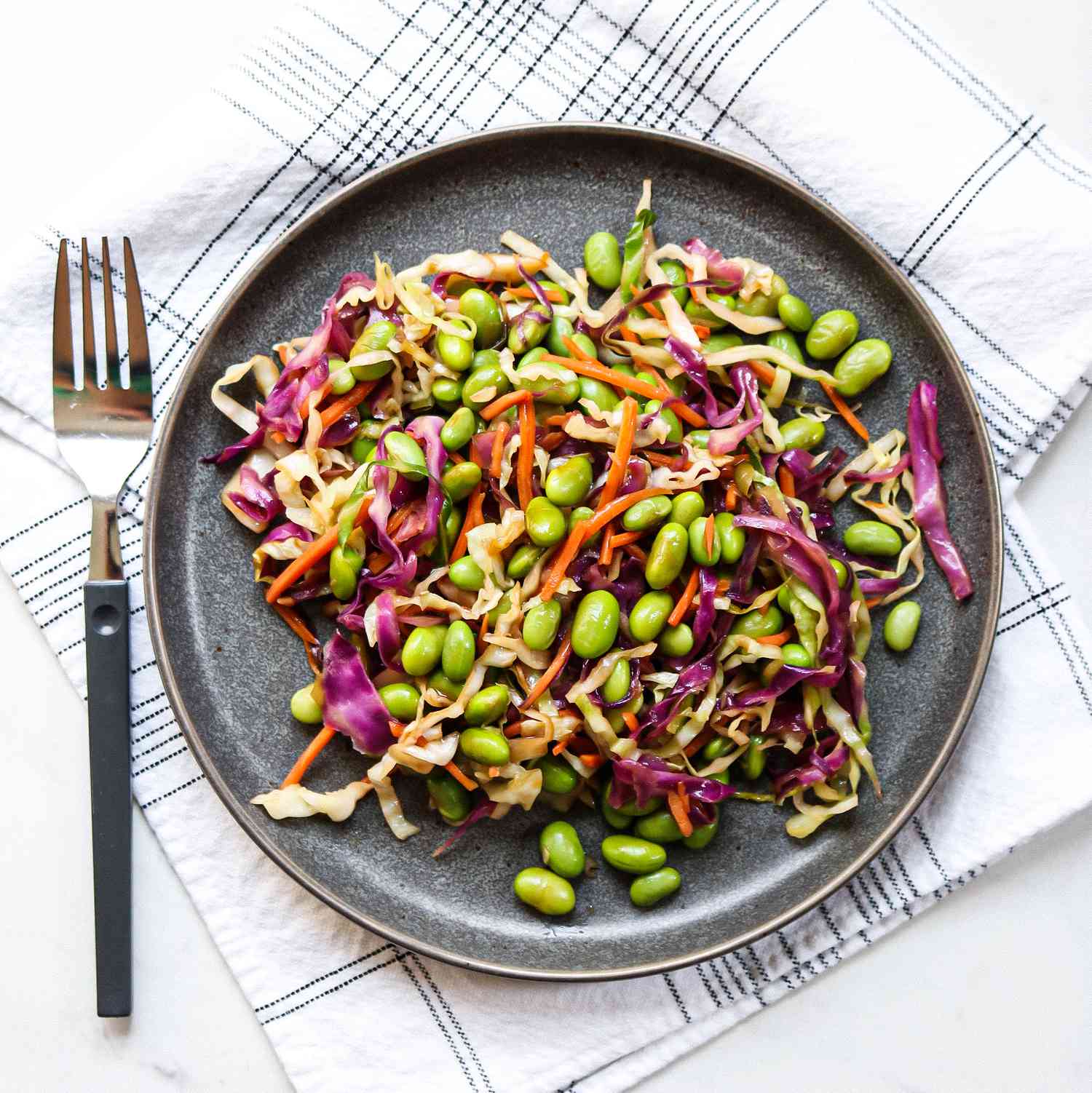
3 ingredient edamame salad
CREDIT: CAROLYN A. HODGES, R.D.

Day 2: 3-Ingredient Teriyaki Edamame Sauté

Frozen edamame is a great, affordable plant-based protein to have as a staple in your freezer. You can create a quick and convenient dinner with these crunchy baby soybeans by stir-frying them with a veggie slaw and drizzling the ingredients with a reduced- or low-sodium teriyaki sauce for added flavour. Serve the entree with a side of brown rice pilaf to make it a complete meal that will help keep your blood sugar levels steady.

Tip: The recipe calls for pre-packaged slaw, but you can buy fresh veggies and chop them up yourself.

Total carbohydrates (2 cups entree & 1/3 cup brown rice pilaf): 44 grams, or 3 carb servings

Fibre: 12 grams
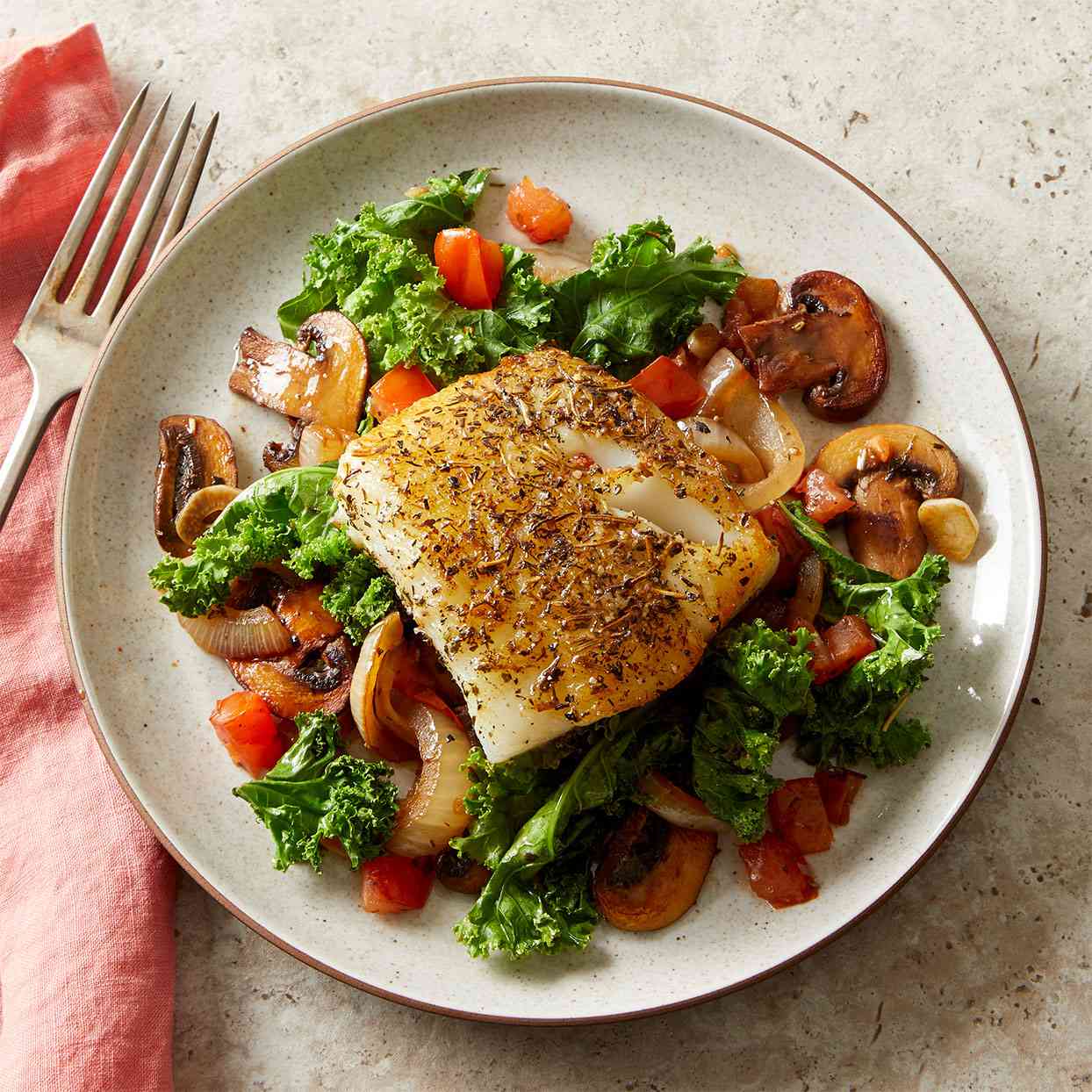
Herby Mediterranean Fish with Wilted Greens & Mushrooms

Day 3: Herby Mediterranean Fish with Wilted Greens & Mushrooms

Eating fish at least twice a week is a staple in many healthy eating patterns, whether you have diabetes or not. Eating fish is also a great way to get healthy fats and protein that the body needs to function at its best. Our Herby Mediterranean Fish with Wilted Greens & Mushrooms is a perfect entree for a weeknight dinner. Use fresh or frozen cod, sole, tilapia or other fatty fish that you can find on sale. Add the Mediterranean herb mix (a blend of dried oregano, thyme, mint, sage and rosemary) for a sodium-free flavour boost. Serve it with kale or another leafy green, and complete the meal with a side of carbs, like our Roasted Sweet Potatoes.

Total carbohydrates (1 piece fish, ½ cup leafy vegetables & ½ cup sweet potatoes): 28 grams, or 2 carb servings

Fibre: 5 grams
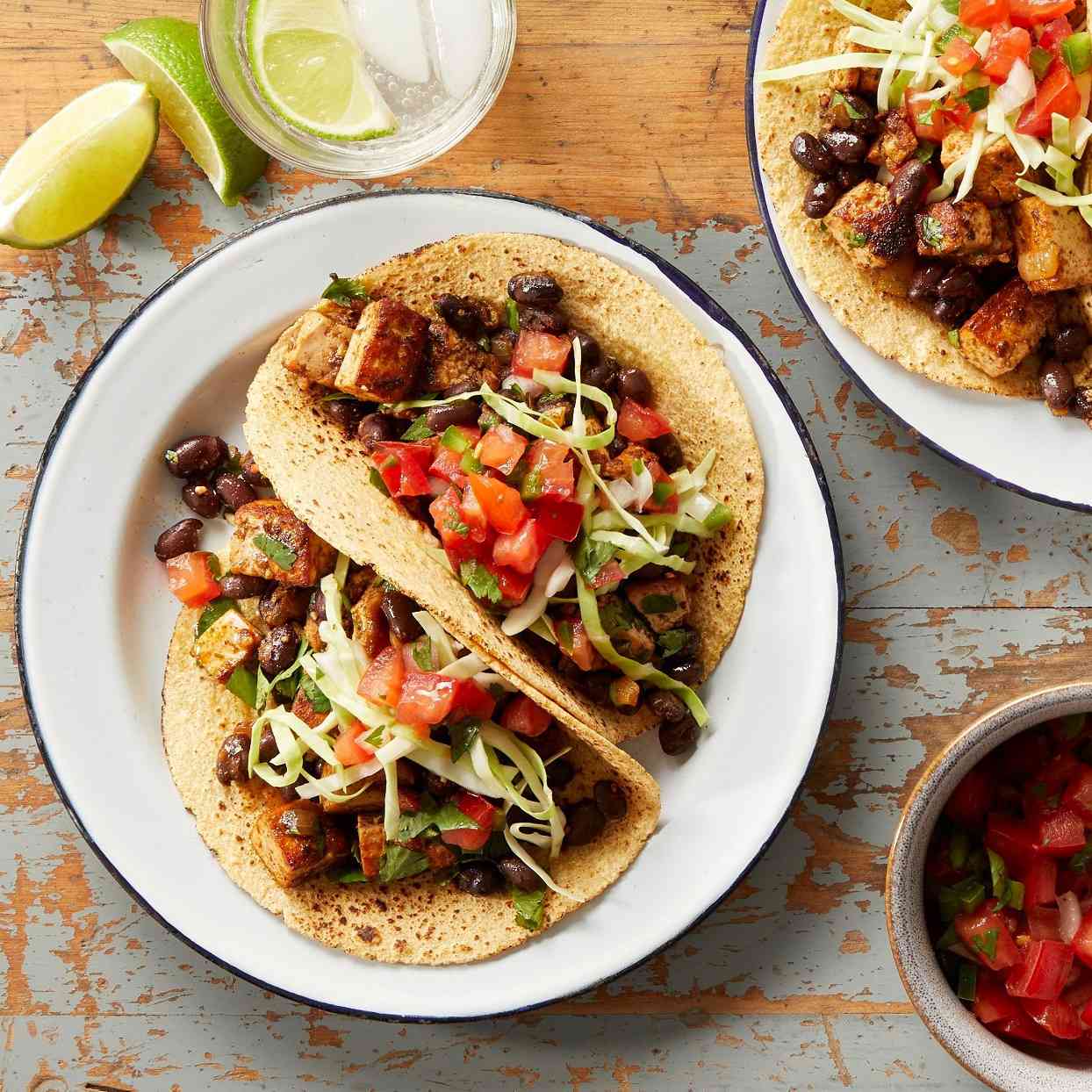
Tofu Tacos

Day 4: Tofu Tacos

Looking to spice up your dinner? Not only are tofu tacos easy to prep, the ingredients included are also very affordable. This recipe calls for canned black beans, which deliver added protein and fibre—just make sure to rinse the beans well to help lower the sodium content. Top the tacos up with shredded cabbage, fresh pico de gallo and a hint of guacamole to keep the dish entirely plant-based, or add crumbled queso fresco, shredded Parmesan or Cheddar for vegetarians or omnivores.

Total carbohydrates: (2 tacos): 42 grams, or 3 carb servings

Fibre: 10 grams
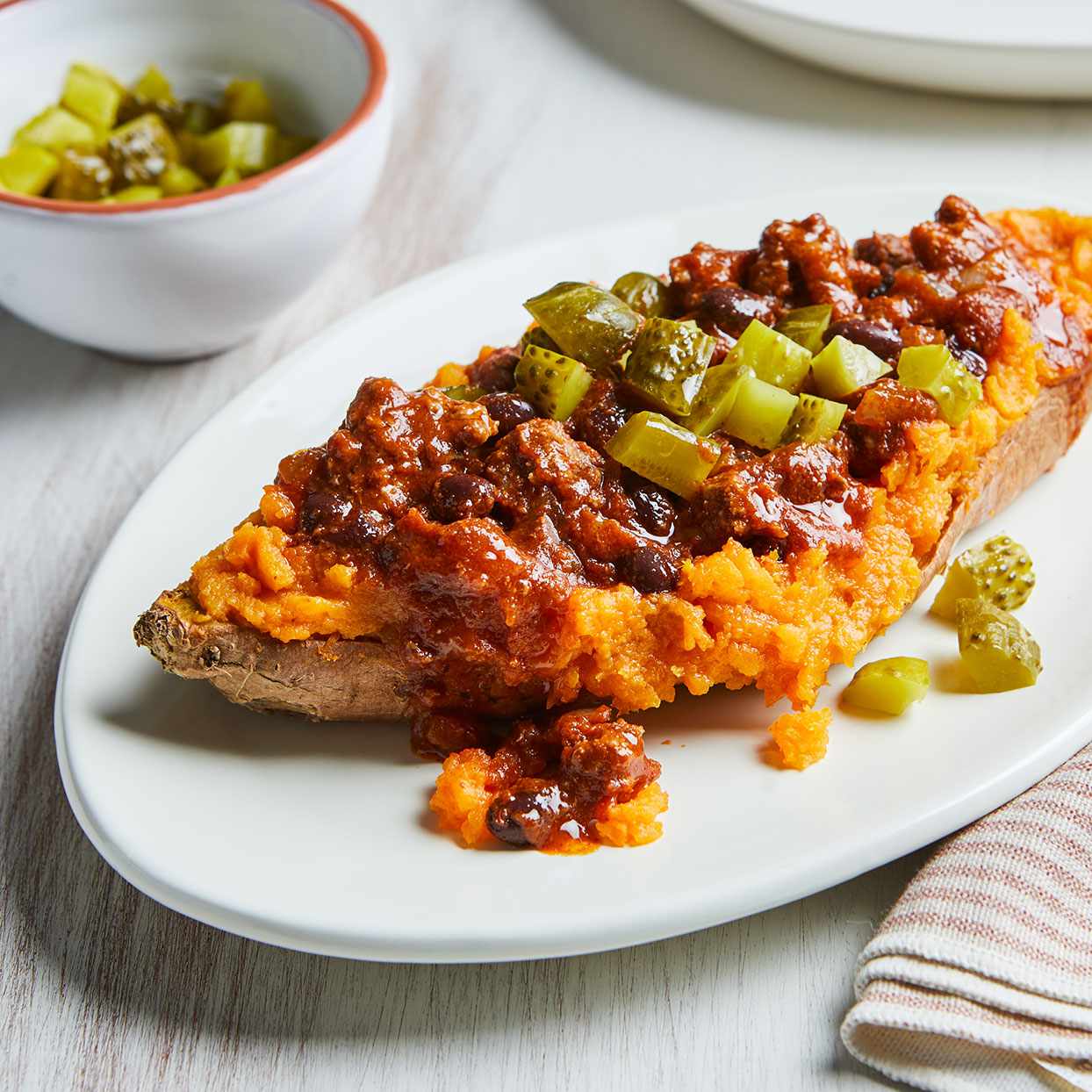
Day 5: Sloppy Joe-Stuffed Sweet Potatoes

Buying meat when it is on sale is a great way to save a few dollars here and there (and those savings can add up over time). Some grocery stores now offer soon-to-expire meats at slashed prices, and it is a perfect time to buy them, especially if you plan to use them for dinner on the same day. If you happen to come across lean ground beef on sale, you can snag a pack or two and create this mouth-watering stuffed sloppy Joe recipe.

Yes, you read it right—sloppy Joes don't necessarily need to be served on a bun. Mound the ingredients—ground beef and black beans mixed with spices—into a sweet potato for added fibre, beta carotene and other essential nutrients. The combination of savoury proteins and sweet potato offers a satisfying balance of flavours. Make sure to rinse the canned black beans before cooking to help lower the sodium content of your meal.

Total carbohydrates (1 filled half potato): 41 grams, or 3 carb servings

Fibre: 8 grams

BBQ Chicken Bowls

Day 6: BBQ Chicken Bowls

The ready-to-eat whole chicken (such as a rotisserie chicken) at the grocery store can be a helpful ingredient for nights when you have little time to prep for dinner. But if you're able, try making your own shredded chicken using boneless, skinless chicken thighs to help you customize the flavours and control the sodium content (chicken thighs are usually less expensive than chicken breasts, too). Either way, toss the shredded chicken with pinto beans for extra protein and corn kernels and coleslaw for extra fibre and colour. You can also substitute the potatoes with sweet potatoes, if desired.

Tip: You may not finish the whole rotisserie chicken in one meal, so you can use the leftover meat to make more delicious dishes, like our Chicken Caesar Pasta Salad.

Total carbohydrates (1 bowl): 54 grams, or 3.5 carb servings

Fibre: 12 grams
6447992.jpg

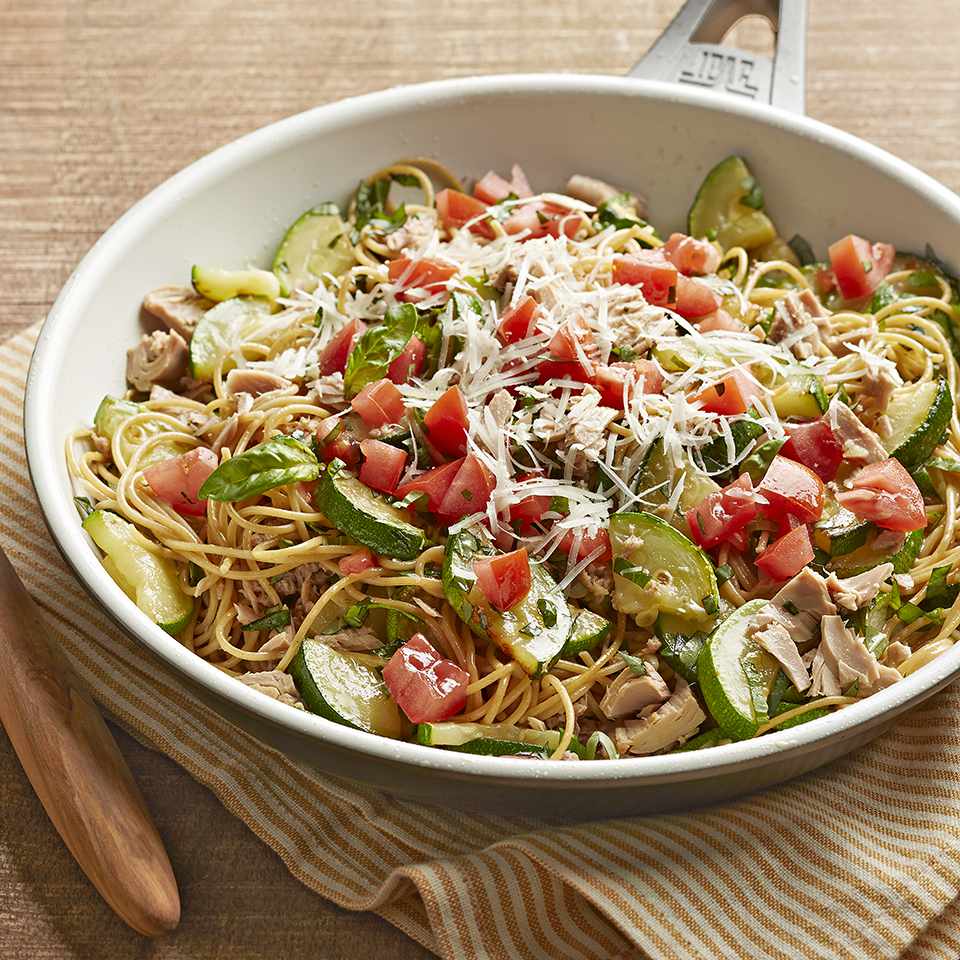
Day 7: Tuna-Zucchini Pasta

Who says canned tuna is only for tuna sandwiches and melts? You can use this affordable fish to create a variety of nutritious entrees, including this veggie-packed pasta. This meal is ready in under 30 minutes and uses affordable ingredients like whole-grain pasta, tomatoes and zucchini alongside the canned fish. Don't have zucchini? You can replace it with carrots or spinach for a vibrant-looking dish. Add a side of greens, like our Mixed Lettuce Salad with your favourite vinaigrette, for a balanced and filling meal.

Total carbohydrates (1½ cups pasta & 1 cup salad): 37.5 grams, or 2.5 carb servings

A New Vegan Summit Is Coming Next Month, And Everyone’s Invited

From plantbasednews.org 

Experts from the vegan sector will offer insights into how the food system can be changed for the better

This September will see the first-ever European Vegan Summit (EVS) hosted online. 

Confirmed influential speakers include MEPs Franciso Guerreiro and Sylwia Spurek and Jennifer Stojkovic, founder of the Vegan Women Summit.

The virtual conference will be hosted by Beyond Animal, which specializes in ethical investment and vegan networking.

Experts from the media, business, science, and NGO sectors will come together to discuss key themes like politics, activism, and science, all within a vegan framework. 

A vegan summit to craft real-world solutions

Green REV Institute, a vegan think-tank in Poland, has organized The EVS event. A first of its kind, the enterprise engages in advocacy work within the EU, highlighting a need for alternatives to animal agriculture.

“We believe it is high time to start connecting the dots between the world of human rights, environmental rights and animal rights,” Green REV Institute says.

It continues: “It is impossible to create a modern nation and develop competitive economies without changing the food system. Only an economy without animal exploitation can provide the answer to the challenges brought by climate catastrophe.”

Taking animals out of the food system

Research suggests half of Europeans are actively reducing their intake of animal products.

Germany is a driver of the trend and Sweden is also showing a marked reduction in meat consumption. However, systemic food industry change is still lacking.

Dr. Peter Carter, an IPCC climate expert, claims that a massive move towards plant-based lifestyles is “imperative” if we are to stand a chance of halting global warming. 

Animal agriculture is responsible for around 14.5 percent of greenhouse gas emissions. Methane is a particular concern, due to its intense warming potential and prevalence, thanks to cattle farming. 

An open invitation to vegans worldwide

The EVS is free to attend online, with all participants welcome.

“It is a meeting place for inspiring people who believe that only a future without animal exploitation can be the answer to the challenges posed by the climate catastrophe,” the event states.

All content will be streamed in English with 12 talks, 72 speakers, and 4 exhibitions confirmed.

https://plantbasednews.org/culture/events/european-vegan-summit-launches/

Wednesday, 10 August 2022

Short Walks After Meals Can Cut Diabetes, Heart Risks: Study

From webmd.com

Aug. 9, 2022 – Taking a brief walk after eating can help lower the risk of type 2 diabetes and heart problems, according to a recent study published in Sports Medicine.

Light walking after a meal – even for 2 to 5 minutes – can reduce blood sugar and insulin levels, the researchers found.

Blood sugar levels spike after eating, and the insulin produced to control them can lead to diabetes and cardiovascular issues, the researchers explained.

“With standing and walking, there are contractions of your muscles” that use glucose and lower blood sugar levels, Aidan Buffey, the lead study author and a PhD student in physical education and sport sciences at the University of Limerick, told The Times. 

“If you can do physical activity before the glucose peak, typically 60 to 90 minutes [after eating], that is when you’re going to have the benefit of not having the glucose spike,” he said.

Buffey and colleagues looked at seven studies to understand what would happen if you used standing or easy walking to interrupt prolonged sitting.

In five of the studies, none of the participants had prediabetes or type 2 diabetes. The other two studies included people with and without diabetes. The people in the studies were asked to either stand or walk for 2 to 5 minutes every 20 to 30 minutes over the course of a full day.

All seven studies showed that standing after a meal is better than sitting, and taking a short walk offered even better health benefits. Those who stood up for a short period of time after a meal had improved blood sugar levels but not insulin, while those who took a brief walk after a meal had lower blood sugar and insulin levels. Those who walked also had blood sugar levels that rose and fell more gradually, which is critical for managing diabetes. 

Going for a walk, doing housework, or finding other ways to move your body within 60 to 90 minutes after eating could offer the best results, the study authors concluded.

These “mini-walks” could also be useful during the workday to break up prolonged periods of sitting at a desk.

“People are not going to get up and run on a treadmill or run around the office,” Buffey told The New York Times.

But making mini-walks a normal thing during the workday could be easy and acceptable at the office, he said. Even if people can’t take walks, standing up will help somewhat.

“Each small thing you do will have benefits, even if it is a small step,” Kershaw Patel, MD, a preventive cardiologist at Houston Methodist Hospital, told the newspaper. Patel wasn’t involved with the study.

“It’s a gradual effect of more activity, better health,” he said. “Each incremental step, each incremental stand or brisk walk appears to have a benefit.”


https://www.webmd.com/diabetes/news/20220809/short-walks-after-meals-cut-diabetes-heart-risk-study 

Saturday, 6 August 2022

UK: NHS to roll out ‘transformational’ glucose monitors for people with type 1 diabetes

From diabetestimes.co.uk 

Individuals with type 1 diabetes are now eligible for “life-changing” continuous glucose monitors after the NHS has secured a new cut-price deal.

The wearable arm gadget sends information to a mobile app and allows people with type 1 diabetes to keep track of their glucose levels without having to scan or take a finger prick test.

Continuous glucose monitors are normally more expensive than their flash monitor counterparts – which record glucose levels by scanning a sensor – but thanks to the NHS agreeing on a new cost-effective deal with manufacturers Dexcom, they will now be available for people on prescription at a similar price.

The monitor, called Dexcom ONE rt-CGM, uses a sensor no bigger than a bottle cap that attaches to the arm for up to 10 days and measures glucose levels from just under the skin.

People will receive their starter pack – which will include information on the product and usage, a sensor and transmitter – from the hospital or GP surgery once prescribed, after which they can go to the pharmacy for their repeat prescription.


In April, GlucoRx was the first company to roll out free continuous glucose monitors (CGMs) to people with type 1 diabetes on the NHS with 14 days use. The GlucoRx AiDEX CGM has been available on the Drug tariff since April 1, 2022.

The Dexcom deal comes after the NHS surpassed its initial Long Term Plan target to ensure 20 per cent of people with type 1 diabetes were benefiting from flash monitors by March 2021 ahead of schedule – with recent data showing nearly three-fifths are already accessing the technology.

The wider rollout of the technology will help people with diabetes manage their condition better – reducing hospitalisations and associated diabetic illnesses which will ultimately ease pressure off the NHS.

Dr Partha Kar, national speciality advisor for diabetes and obesity said: “This is a huge step forward for type 1 diabetes care and these monitors will be life-changing for anyone with the illness – giving them more choice to manage their condition in the most convenient way possible – as well as the best chance at living healthier lives, reducing their risk of hospitalisation and illnesses associated with diabetes, which in turn reduces pressure on wider NHS services.

“The new deal also delivers on our commitment to get people the latest cutting-edge medical technology at the best value for taxpayer money – saving the NHS millions over the coming years.”

Former Prime Minister Theresa May said: “This is another important step for the NHS in treating people with type 1 diabetes.

“CGM makes a huge difference to people living with diabetes – it is truly transformational. I am pleased that the NHS has already surpassed the target in the Long Term Plan for the number of people benefiting from flash monitoring. There is more to do but these are huge steps forward”.

Health Minister James Morris said: “This is an excellent example of how technology can help people manage their long-term conditions from the comfort of their own homes, reducing pressure on the NHS and improving health outcomes.

“We’re determined to harness the latest technology to improve healthcare across the country. Thanks to the NHS for negotiating this great deal which delivers value for money and benefits patients.”

Karen Baxter, Vice President, UK & Ireland, Benelux, France and Spain at Dexcom: “The addition of Dexcom ONE to the NHS England drug tariff is enormous progress towards improving the choice of diabetes tech, providing an alternative to burdensome finger pricks and scanning.

“We are incredibly proud of the diabetes community and are working hard to make it easier for them to access the best technology possible to manage their diabetes.”

She added: “As a next step, we will be working closely with healthcare professionals to ensure the diabetes community can benefit as quickly as possible from reimbursement and the wider availability of Dexcom CGM.”

The NHS spends approximately £10 billion a year on treating diabetes, with the Type 2 Diabetes Prevention Programme aiming to combat thousands of people from developing the illness and free up NHS resources in the long term.

A multitude of other diabetes technologies have also been made available on the NHS such as the Freestyle Libre.

https://diabetestimes.co.uk/nhs-to-roll-out-transformational-glucose-monitors-for-people-with-type-1-diabetes/

Friday, 5 August 2022

10 Healthy Foods and Drinks That Can Help With Blood Sugar Control

From everydayhealth.com

Strategic diet choices can help you hit your A1C goal. Check out these expert-approved picks that offer bonus health perks 

Anyone who’s been managing diabetes for years knows the power of healthy diet choices. In addition to effective stress management, ample shut-eye, regular exercise, and sticking with your medication regimen, what you eat and drink plays a big role in your chances of hitting your A1C goal. A1C is a three-month average of your blood sugar levels, per the Centres for Disease Control and Prevention.  

Blood sugar management ultimately affects your overall health. "Managing blood glucose levels is key to preventing future complications," says Toby Smithson, RDN, CDCES, of Hilton Head, South Carolina, the co-author of Diabetes Meal Planning and Nutrition for Dummies and the founder of Diabetes EveryDay. According to MedlinePlus, having elevated blood sugar for an extended period of time can lead to vision problems, nerve damage, amputations, and kidney damage.

The Importance of Counting Carbs

While diabetes management goals can vary, there are certain kinds of foods experts agree are good and bad in a diabetes diet, based on both their nutritional value and where they lie on the glycaemic index — a scale that measures how quickly foods can cause blood sugar fluctuations, with low GI foods increasing glucose slowly and high GI foods increasing it quickly, per MedlinePlus. 

It’s important to factor in glycaemic load (GL), too. Like glycaemic index, GL measures how a food will affect blood sugar on the basis of carb content, but it incorporates a food’s serving size and therefore offers a more complete picture of the food’s effect, according to the National Institutes of Health (NIH). A GL of 10 or less is considered low, 11 to 19 is medium, and 20 and above is high, according to Oregon State University.

A good foundational approach to diabetes management is to count carbohydrates. During digestion, your body breaks down carbohydrates into glucose, which is a type of sugar, and certain types of carbs, namely simple carbs, can raise the amount of sugar in your blood quickly, according to the NIH.

Why Calories Also Matter in a Diabetes Diet

Also keep in mind that maintaining a healthy weight is key to reducing insulin resistance, per the CDC. Bansari Acharya, RD, a nutritionist with FoodLove.com in Detroit, says it’s important to pay attention to the calories you take in. “Even if you are managing the number of carbohydrates that you consume, you still may be consuming too many calories from fat and protein sources, which may lead to weight gain,” she says.

Just a 5 to 10 percent loss of body weight can improve your blood sugar numbers and lower your risk of diabetes by 58 percent, according to Johns Hopkins Medicine. A healthy weight not only will minimize your diabetes risk, but it’ll also help your heart, says the American Heart Association. That’s a must for people with diabetes, as diabetes and heart disease go hand in hand, according to the CDC.

10 Healthy Diet Choices for People With Diabetes

To stay on track with your diabetes management, start with these 10 diabetes-friendly choices that can help keep blood sugar on target and provide nutrition to boot.

1

Oatmeal for Filling Fibre

a bowl of oatmeal

Oatmeal contains beta-glucan, a heart-healthy soluble fibre, says the Harvard T.H. Chan School of Public Health. This makes it a great food to prevent blood sugar spikes, Smithson says. The beta-glucan in oatmeal has also been shown to improve blood sugar control and increase feelings of satiety, according to the results of a controlled clinical trial published in the February 2021 Journal of Functional Foods involving patients with type 2 diabetes. Of course, not all oatmeal is created equal, so opt for a steel-cut or old-fashioned variety, Acharya says. Instant oatmeal can be loaded with sugar.

One-half cup of dry oats contains 150 calories, 27 g of carbs, 5 g of protein, and 2.5 g of fat, according to the USDA. That carb count may sound high, but keep in mind that oatmeal is a complex carb, which means it's digested more slowly by the body and supplies a steadier release of sugar to the bloodstream, according to the American Heart Association. Each serving also contains a GL of 13, per Oregon State University.

Just remember that oatmeal is a carbohydrate, so you'll need to practise proper portion control. A standard portion is ½ cup of cooked oatmeal. Enjoy it for breakfast, add it to a smoothie, or use it to make homemade granola bars, Acharya says.

2

Salmon for Omega-3 Fatty Acids

a plate of salad with a piece of salmon on top

Salmon is a rich source of key nutrients. A 3-ounce (oz) serving of cooked wild Atlantic salmon contains 155 calories, 0 g of carbohydrate, 21.6 g of protein, and 6.91 g of fat, according to the USDA. Because there are 0 g of carbohydrates, the GL is 0. Salmon is also rich in vitamin D, and getting a healthy dose of vitamin D is important, as low levels of the vitamin have been associated with type 2 diabetes, Smithson says.

The fish is also a good source of omega-3 fatty acids. According to the American Heart Association, omega-3 fatty acids in fatty fish, like salmon, can improve heart health, which, as mentioned, is especially important for people with diabetes because of their increased risk of heart disease. 

Top your salads with grilled or broiled salmon, and try baking salmon patties, Smithson suggests.

3

Almonds for Magnesium

almonds

Almonds are another nutritious food for people with diabetes. One ounce of unsalted almonds contains 172 calories, 5.76 g of protein, 15.3 g of fat, and 5.78 g of carbs, according to the USDA. Almonds have a GL of 1.9, per the website Glycemic-Index.net.

According to the USDA, they’re also high in vitamin E (with 6.67 milligrams [mg] in a 1 oz serving) and a good source of magnesium (with 76.8 mg in each serving). Almonds also contain fibre, which is an important nutrient for people with diabetes as it can improve blood sugar levels by slowing the rate at which sugar is absorbed, according to the Mayo Clinic.

The American Heart Association advises that diabetes makes you more likely to have high LDL, or "bad," cholesterol, so adding nuts to your diabetes diet is a smart move. Almonds are an excellent source of unsaturated fats, which can help lower your LDL cholesterol and raise your HDL, or "good," cholesterol levels, Smithson notes.

Add almonds to salads or try a tablespoon of almond butter on apple slices as a snack, she suggests. Just watch your portions since the calories and carb count can really add up if left unchecked, and steer clear of packaged nuts that may contain added sugar and salt.

4

Oranges for Pectin

oranges cut in half

An orange is an excellent source of pectin, a soluble fibre that has been shown to lower LDL cholesterol levels, Smithson says. Although they're sweet, oranges are actually low on the glycaemic index (GI), according to the American Diabetes Association (ADA) and have a GL of 4, per Oregon State University.

Do factor in that one orange isn’t exactly a low-carb food, Smithson notes. It contains about 18 g of carbs, plus 72 calories, 1.45 g of protein, and less than 0.2 g of fat, according to the USDA.

Oranges provide other key nutrients, including vitamin C. Opt for the whole fruit instead of juice for more fibre and antioxidants that may help prevent cell damage, Smithson adds, as well as decrease any effect on blood sugar.

5

Beans for Plant-Based Protein

plates with multiple types of beans

Beans are a great source of soluble fibre and an inexpensive source of protein that is low on the glycaemic index, making them ideal for preventing big swings in blood sugar levels, Smithson says. "A higher fibre content in foods is beneficial for slowing the rise in blood glucose levels because it takes longer for your system to break down the fibrous foods," she explains. 

A ½ cup serving of black beans has about 19 g of carbohydrates, 110 calories, 1 g of fat, and nearly 7 g of protein, according to the USDA. It has a GL of 7, according to Oregon State University.

The ADA calls beans (including black, navy, kidney, and pinto varieties) a superfood for people with diabetes and recommends draining and rinsing them before eating to get rid of much of the added salt.

Try eating beans in soups, tacos, Indian curry dishes, pilaf dishes, and salads, Acharya suggests.

6

Kale for a Variety of Vitamins and Minerals

Kale

Of all the leafy greens you could enjoy on a diabetes diet, kale is the superstar, Smithson says. The ADA names it a superfood, because it offers a slew of essential nutrients, including vitamins A, C, E, and K, iron, calcium, and potassium.

Plus, it’s low in calories and carbs. One cup of raw kale contains about 9 calories, 1.1 g of carbs, and less than 1 g of protein and fat, according to the USDA. The GL is very low, around 1 or 2.

Smithson adds that kale contains bile acid sequestrants. These can lower LDL cholesterol, as shown by research published June 2017 in Preventive Nutrition and Food Science. Smithson suggests tossing kale into a salad, steaming it, or baking it into chips.

7

Dark Chocolate for Flavonoids

dark chocolate

Limiting sugar is important when managing diabetes, so it may sound surprising to learn that dark chocolate can be part of a diabetes-friendly diet. But consider this: A review looked at studies involving more than 114,000 people and found that those who ate the most chocolate had a 31 percent lower risk of diabetes and a significantly reduced risk for heart disease and stroke compared with people who ate the least. And a separate study found that having about 10 g of flavonoid-rich cocoa powder a day (about 1.5 tablespoons) could lower LDL cholesterol and triglyceride levels in people with diabetes.

Look for dark chocolate ideally with at least 85 percent cacao, Acharya says. One ounce of 85 percent dark chocolate contains 136 calories, 1 g of protein, 14 g of fat, and 12 g of carbs, according to the USDA. Dark chocolate has a GL of 2.76, based on a glycaemic index of 23, according to Beyond Type 1.

Be sure to keep in mind that chocolate also contains fat and sugar, so limit yourself to one small square (about 1 oz) a day, Smithson cautions.

8

Cinnamon as a Smart Sweetener

Cinnamon sticks

Another possible management tactic is to incorporate new flavours in your plate by way of diabetes-friendly spices, and when it comes to sweetening food, consider adding cinnamon to the top of your list. One study suggests the spice is associated with a drop in fasting blood sugar levels, while cinnamon may help increase insulin sensitivity, reduce inflammation, and lower LDL cholesterol. But ultimately, results may vary from person to person, depending in part on the type and amount of cinnamon used.

Cinnamon won’t add much nutrition wise — according to the USDA, it doesn’t contain calories, protein, fat, or carbohydrates and has a GL of 0 — but your taste buds will thank you and your blood sugar levels may improve, to boot.

Try adding cinnamon to tea or sprinkled on top of fruit, Acharya says.

9

Vinegar for a Healthier Salad Dressing Base

vinegar for diabetes

The potential health benefits of vinegar are still under investigation, but previous research found that vinegar helped improve insulin sensitivity to high-carb meals in people with diabetes or insulin resistance. The findings suggest that vinegar's effects on the body are similar to the effects of the commonly used diabetes drug metformin (Glucophage, Glumetza).

And a study published in the Journal of Community Hospital Internal Medicine found that vinegar slowed the absorption of sugar. Two ounces of apple cider vinegar added to a high-carb meal improved fasting blood sugar levels and insulin sensitivity, researchers found.

A tablespoon of apple cider vinegar contains 0 calories, 0 carbohydrates, 0 protein, and 0 fat, per the USDA. The lack of carbohydrates means it has a GL of 0.

Try using it as a base for a homemade salad dressing, Acharya says.

10

Green Tea for Polyphenols

green tea

Tea has been used medicinally in Japan and China for thousands of years, but its exact health benefits in treating or preventing ailments like cancer, heart disease, and diabetes are unknown, according to the National Center for Complementary and Integrative Health. Yet some research offers clues as to how green tea in particular may impact insulin resistance and blood sugar levels in people with type 2 diabetes.

For example, a prior review cited research that suggested people who drank six or more cups of green tea per week were 33 percent less likely to develop type 2 diabetes than people who consumed only a cup of green tea per week. The review cited a study that suggested those who drank green tea regularly for more than a decade had smaller waistlines and a lower body fat composition than those who didn't consume green tea regularly. The super-brew also contains polyphenols, antioxidants shown to regulate glucose in the body, which may help to prevent or control diabetes, according to a review published in the July 2019 Current Neuropharmacology.

Per the USDA, green tea does not contain calories, carbohydrates, protein, or fat, and has a GL of 0.

When drinking green tea, mind your caffeine intake, because too much may affect your sleep, according to the Mayo Clinic.

https://www.everydayhealth.com/hs/managing-type-2-diabetes-every-day/foods-blood-sugar-control-pictures/