Sunday, 9 May 2021

Diabetes symptoms: Six 'early signs and symptoms' of high blood sugar you might be missing

From express.co.uk

DIABETES symptoms can go unnoticed for long periods of time, because the most common signs tend to be very mild in its early stages. These are the six "early signs and symptoms" of high blood sugar that you might be missing, including feeling very thirsty, and persistent tiredness

Diabetes is a common condition that affects more than five million people in the UK. During its early stages, some patients might not develop any symptoms at all - making it very hard to diagnose.

About nine in every 10 cases of diabetes are caused by type 2 diabetes.

The condition is caused by the body not producing enough of the hormone insulin, or the body not reacting to insulin. Insulin helps to convert sugar in the blood into energy.

It can take a long time for people to be diagnosed with diabetes, because the symptoms develop very slowly.

"The onset of type 2 diabetes can be gradual, and symptoms can be mild during the early stages," said nutritionist Nicole Galan. She wrote for medical website Medical News Today: "As a result, many people may not realise that they have this condition.

"Recognising the early signs of type 2 diabetes can allow a person to get a diagnosis and treatment sooner.

"Getting appropriate treatment, making lifestyle changes, and controlling blood sugar levels can greatly improve a person’s health and quality of life and reduce the risk of complications."

Diabetes symptoms: Six 'early signs and symptoms'

Six 'early' signs and symptoms of high blood sugar you may be missing (Image: GETTY Images)

Feeling very thirsty

Some diabetes patients may often feel thirsty, despite drinking plenty of fluids. High blood sugar causes the body to lose additional water, resulting in dehydration.

Persistent tiredness

Fatigue is one of the most common early signs of diabetes. Tiredness is caused by not enough sugar moving into the body's cells from the bloodstream.

Blurry vision

High blood sugar can impact the tiny blood vessels around the eyes, said the nutritionist. As a result, diabetes patients may develop blurred vision in one or both eyes.

Tingling pain

Diabetes can affect the body's circulation, and damage the blood vessels. This damage can subsequently lead to a sensation of tingling, particularly in the hands or feet.

Itching

Persistent itchiness might also be caused by type 2 diabetes, said Galan. It's generally caused by yeast infections, as yeast uses excess sugar in the blood and urine as food.

Feeling very hungry

Diabetes patients often don't get enough energy from the food they eat.

The body struggles to convert sugar in the blood into energy, leading to a constant sensation of hunger.

https://www.express.co.uk/life-style/health/1433471/diabetes-symptoms-early-signs-and-symptoms-high-blood-sugar-evg

Friday, 7 May 2021

How Untreated Diabetes Affects Your Body

From verywellhealth.com

Untreated diabetes is when your high blood sugar level isn’t properly controlled. This is not always a result of someone deciding not to manage their diabetes. It can also happen to those who have diabetes but have not been diagnosed.

Untreated diabetes can potentially cause severe complications that involve almost all parts of your body, including your heart, kidneys, blood vessels, eyes, nerves, gastrointestinal tract, gums, and teeth. In severe cases, it could lead to death.

Diabetes occurs when your blood sugar, also called blood glucose, is too high (also known as hyperglycaemia). Blood glucose is your main source of energy and comes from the food you eat. 

Your body produces a hormone called insulin that helps glucose from food get into your cells to be used for energy. However, sometimes your body doesn’t make enough—or any—insulin or doesn’t use insulin well. As a result, the glucose you consumed stays in your blood and doesn’t reach your cells.

High blood sugar level in the bloodstream can damage various body systems, leading to a wide array of health issues, like heart disease and foot problems. But with the correct treatment and lifestyle changes, many people with diabetes can prevent or delay the onset of these complications.

Signs of Untreated Diabetes

High Blood Sugar Level

One of the signs of untreated diabetes is high blood sugar. When you visit your doctor, they will measure your blood sugar and let you know what range your blood glucose should fall in. Healthy blood sugar levels are usually between 70 and 130 mg/dL before meals and below 180 mg/dl two hours after meals. 

High blood sugar is also often associated with a number of symptoms. If you notice any of the following symptoms, contact your doctor right away about getting your blood glucose checked:

  • Increased thirst or hunger
  • Blurred vision
  • Frequent urination
  • Headaches
  • Fatigue
  • Weight loss
  • Skin infections
  • Slow-healing cuts and sores
If your doctor suspects that you have diabetes or prediabetes (a precursor of type 2 diabetes), they will order other tests to confirm the diagnosis.

Frequent Urination

Another common symptom of untreated diabetes is increased urination (polyuria). A person is diagnosed with polyuria when they urinate a minimum of 3 L daily. It is different from urinary frequency, which is the number of times someone pees in a day. In people with diabetes, polyuria is often associated with excessive thirst.

Frequent urination usually happens when your body is trying to clear your blood of excess sugar. Normally, when your kidneys create urine, they reabsorb all of the sugar and direct it back to the bloodstream. With diabetes, excess glucose ends up in the urine, where it pulls more water and results in more urine.

Excessive Thirst

Polydipsia, an excessive form of thirst, is commonly found in people with diabetes. When you have diabetes, your kidneys have to work harder to filter and absorb the excess glucose in your blood. When your kidneys can’t keep up, the excess glucose is excreted into your urine, pulling along fluids from your tissues, which makes you dehydrated. This will usually leave you feeling thirsty.

Blurred Vision

High blood sugar levels in uncontrolled diabetes can damage small blood vessels, including those in your eyes. This can affect the blood vessels connected to the retina, a layer of tissue at the back of your eyeball that is responsible for eyesight, resulting in blurred vision.

Also, fluid can move in and out of the eye as a result of excessive blood glucose, causing swelling of the lens, a part of your eye that bends light and focuses it onto the retina to help you see clearly. As the shape of the lens changes, it distorts the way light is focused onto the retina, and blurriness occurs.

Fatigue

Fatigue is a common symptom among people with diabetes. In this condition, cells in your body cannot use the glucose from the food you ate. Fatigue and weakness can occur as a result.

Poor Wound Healing 

High blood sugar affects the functioning of white blood cells, which are cells in the immune system that fight bacteria and viruses. When white blood cells can’t function properly, the body isn’t able to ward off these foreign threats or heal wounds properly. 

People with untreated diabetes may also not have good blood circulation, which can prevent the body from supplying nutrients to wounds to help them heal.

What’s the Difference Between Untreated Type 1 Diabetes and Untreated Type 2 Diabetes?

Type 1 diabetes is when your pancreas doesn’t produce any insulin at all. If left untreated, it can cause atherosclerosis (narrowing of blood vessels), heart disease, stroke, and eye and kidney diseases.

On the other hand, type 2 diabetes occurs when your pancreas doesn’t produce enough insulin or your body cannot use insulin effectively. Uncontrolled type 2 diabetes can lead to vision loss, kidney failure, and lower limb amputation.

Complications

Untreated diabetes will eventually lead to serious complications, including:

  • Heart disease: People living with diabetes are more likely to develop heart problems and even stroke than those without diabetes. 
  • Kidney failure: The kidneys contain large clusters of tiny blood vessels called the glomeruli, which propel the kidneys’ filtering function. Unfortunately, diabetes can damage this filtering system, which may lead to kidney failure.
  • Vision loss: One of the common complications of type 1 and type 2 diabetes is vision loss. Diabetes may attack the blood vessels of the retina. Also, other serious vision complications like cataracts and glaucoma may arise.
  • Nerve damage: Almost half of all diabetic people suffer from nerve damage, also called neuropathy.5 Large blood sugar deposits damage capillary walls that nurture your nerves, especially in your legs. This may lead to numbness from your toes and up. You may lose your sense of feeling in the affected area. 
  • Infections: High sugar levels can cause dry skin in people with diabetes, and this makes it hard to fight off bacterial and fungal infections. Avoid scratching your skin, especially your legs, by applying moisturizers so that you don’t open sores that lead to skin infections. 
  • Foot problems: Diabetes, which may cause nerve damage of the feet, change in the shape of your feet, or poor blood flow to the feet, may increase the chances of different foot complications. If left untreated, it may lead to serious infections that may require an amputation. 
  • Cognitive problems: Diabetes has been linked to cognitive problems and changes in the brain. Type 2 diabetes is linked to an increased risk of Alzheimer’s disease.
Can Complications Be Reversed?

Prevention is essential, as the damage from diabetes may not be reversed and complications may be permanent or fatal. However, there is limited research on if the body can heal and reverse the damage.

In 2015, researchers in Japan took a kidney biopsy from a kidney transplant between a patient with diabetes and one without, and it showed some degree of healing. The result from a 2011 study found that a patient who received a pancreas transplant showed healing in the pancreas, although the healing wasn’t immediate and didn’t take place until 10 years later.

However, cases of reversed diabetic complications, besides in kidney or pancreas transplants, have only been recorded informally. 

A Word From Verywell

Getting diagnosed and treated early for diabetes is the best way to prevent life-threatening complications down the road. Uncontrolled diabetes has the potential to wreak havoc in many of your body’s essential organs and systems, leading to multiple complications.

Learn the signs of untreated diabetes, especially if you have a family history of the condition and other risk factors that may make you more likely to develop type 1 or type 2 diabetes. Even if you weren’t able to catch diabetes early, you can potentially slow down or even reverse the damage by managing it properly.

https://www.verywellhealth.com/untreated-diabetes-5116080

Eating sardines regularly helps prevent type 2 diabetes

From uoc.edu

The health benefits of sardines and oily fish are widely known: their high levels of unsaturated fats help to regulate cholesterol levels and prevent the onset of cardiovascular diseases. However, the benefits don't end there. A study led by Diana Diaz Rizzolo, lecturer and researcher of the Universitat Oberta de Catalunya’s (UOC) Faculty of Health Sciences and the August Pi i Sunyer Biomedical Research Institute (IDIBAPS), has discovered that the regular consumption of sardines helps to prevent the onset of type 2 diabetes. Nutrients found in high quantities in sardines - such as taurine, omega 3, calcium and vitamin D - help to protect against this disease which, according to CIBERDEM's Di@betes study, affects around 14% of the Spanish population over the age of 18.

“Not only are sardines reasonably priced and easy to find, but they are safe and help to prevent the onset of type 2 diabetes. This is a huge scientific discovery. It is easy to recommend this food during medical check-ups, and it is widely accepted by the population”, explained Diana D. Rizzolo. 

sardines

Researchers from the Diabetes and Obesity Research Laboratory and the Primary Care Research Group, both from IDIBAPS; the IMIM, the Fatty Acid Research Institute (EUA), the Universitat de Barcelona, CIBERDEM and the Department of Endocrinology and Nutrition of the Hospital ClĂ­nic de Barcelona also participated in the research project. The results of the study were published openly in the prestigious Clinical Nutrition journal.

Two cans of sardines a week

The study enrolled 152 patients aged 65 years and older who had been diagnosed with prediabetes (blood glucose levels between 100-124 mg/dl) from three different Primary Care centres. All of these patients were put on a nutritional programme that sought to reduce the risk of them developing the disease, but only the intervention group added 200 grams of sardines to their diet every week (two cans of sardines in olive oil). To facilitate this consumption, and with thanks to the Alicia Foundation, these study participants received a list of recipes including canned sardines. Participants were advised to eat the sardine whole, without removing the bones, as these are particularly rich in calcium and vitamin D. 

Of the group that did not include sardines in their diet, 27% of the members were at a high risk of suffering from diabetes (measured via the FINDRISC questionnaire). After one year, 22% found themselves in the same category. Of the group that included sardines in their diet, 37% of the members were at a high risk of suffering from diabetes at the start of the study. After one year, only 8% remained at a very high risk. Improvements were also seen in other important biochemical parameters, such as a reduced insulin resistance index (HOMA-IR), increased “good” cholesterol (HDL), increased hormones that accelerate the breakdown of glucose (adiponectin) and decreased triglycerides and blood pressure, amongst others. 

The study was carried out on participants aged 65 and above because the incidence of diabetes is much higher in elderly people than in the young population: “As we get older, restrictive diets (in terms of calories or food groups) can help to prevent the onset of diabetes. However, the cost-benefit ratio is not always positive, as we found in other studies”, stated doctor Rizzolo. “However, the results lead us to believe that we could obtain an equally significant preventive effect in the younger population."

The protective role of food, but not of supplements

The fact that foods such as sardines - which are rich in taurine, omega 3, calcium and vitamin D - have a clear protective effect against the onset of diabetes does not mean that taking these supplements in isolation will have the same effect. "Nutrients can play an essential role in the prevention and treatment of many different pathologies, but their effect is usually caused by the synergy that exists between them and the food that they are contained in. Sardines will therefore have a protective element because they are rich in the aforementioned nutrients, whereas nutrients taken in isolation in the form of supplements won’t work to the same extent”, claimed Rizzolo. 

Researchers have begun studying the effect of sardines on the intestinal microbiota in a second phase of the study, “since it affects the regulation of many biological process, and we need to understand if they have played a part in this protective effect against diabetes 2”, she added. They have also initiated studies on the modulation of the expression of certain genes related to inflammation, which could play a role in the onset of diabetes 2 and various other diseases. 

https://www.uoc.edu/portal/en/news/actualitat/2021/115-health-nutrition-diabetes-sardines.html

Wednesday, 5 May 2021

Transcript: Diabetes in America

From washingtonpost.com/washington-post-live

MS. CUNNINGHAM: Welcome to Washington Post Live. I’m Paige Winfield Cunningham, author of the Health 202 Newsletter here at The Post, and a health policy reporter.

And today, we're talking about diabetes in America. And for my first guest, I would like to welcome Dr. Rita Kalyani. She's associate professor of medicine at Johns Hopkins University.

Welcome to Washington Post Live, Dr. Kalyani.

DR. KALYANI: Thanks so much, Paige. I'm glad to be here.

MS. WINFIELD CUNNINGHAM: I'm looking forward to our conversation because, of course, this is a hugely important topic. You know, every time we talk about chronic health conditions, massive health spending in the U.S., diabetes is a central part of this.

But to just kind of lay things out for our audience, first, when we talk about diabetes, the vast majority have Type 2 diabetes, and then a small subset have Type 1. Can you just kind of briefly lay out the two types and what the differences are between them?

DR. KALYANI: Sure. So, as you mentioned, Type 2 diabetes accounts for 90 to 95 percent of the diabetes both worldwide and in the United States. Type 1 diabetes accounts for about 3 to 5 percent, and then there are other [audio distortion] types and special subtypes of diabetes, as well, including [audio distortion] diabetes that round out the number.

So, when we talk about diabetes in America, the vast majority, if not almost all have Type 2, but also, Type 1 diabetes is particularly important [audio distortion], as well.

MS. WINFIELD CUNNINGHAM: Well, and we know that Type 2 is typically found in adults, and Type 1 typically diagnosed in children; although, sometimes Type 1 is found in adults. I'm actually one of them. I was diagnosed with Type 1 diabetes about five years ago, around the age of 30.

Can you talk a little bit about how common Type 1 is in adults and do we know what causes it?

DR. KALYANI: Yeah, that's a really great question. So, as you noted, Type 2 diabetes used to be called adult onset diabetes, and it was more commonly noted in adults. And now, as we see the rise of paediatric obesity, particularly in adolescents and ethnic minorities, in particular, we're seeing Type 2 diabetes in our younger population, as well.

Conversely, Type 1 diabetes, which used to be called juvenile-onset diabetes, was more commonly seen in children, but we are seeing diabetes in adulthood, as you shared, as well, your story. And it's not as common, but we're increasingly recognizing that some people who had been diagnosed with Type 2 diabetes may in fact have Type 1 diabetes as we do further testing.

MS. WINFIELD CUNNINGHAM: Well, and I know, of course, one of the biggest differences between Type 2 and Type 1 is that Type 2s typically don't require insulin; although, I know some do use it. Type 1s always require insulin. And I know there's been a growing awareness in recent years over the high cost of insulin, some patients even rationing it. Do you see that among your own patients, and how big of a concern is the cost of insulin to you?

DR. KALYANI: The cost of insulin is a big concern. And as you mentioned, Type 1 diabetes, usually patients have to be on insulin from the get-go. This is a disease where there is autoimmune destruction of the cells in the pancreas, the beta cells that produce insulin.

And so, usually people with Type 1 diabetes require insulin from diagnosis; whereas, patients with Type 2 diabetes where the underlying physiology is what we call insulin resistance. The body doesn't respond to the insulin that the pancreas produces as well as it should. And therefore, insulin is not as effective at lowering blood glucose. Usually, we can start off with oral medications or pills, or even some non-insulin injectable medications, too. But about a third of patients, throughout the course of their disease, will require insulin, and this is different for each patient.

Given that high numbers of people with both Type 1 and Type 2 diabetes that use insulin, clearly insulin cost is a big focus. And over the past decade, we've seen a tremendous rise in the cost of insulin that far outpaces inflation, almost 300 percent for some of the synthetic or analogue insulins, if you look at their current list price, compared to where they were ten years ago. And especially during the pandemic, these increasing costs, burdened with the economic hardships that many people in the United States are facing, makes it increasingly difficult to afford and to use insulin as prescribed.

MS. WINFIELD CUNNINGHAM: Do you ever personally experience this, where a patient comes to you and says, "Hey, I'm having trouble affording my insulin. What do I do?" And as a doctor, if you hear that from a patient, what's your response to that? What can you do?

DR. KALYANI: It's really difficult to hear when you have a patient in your clinic and you really want to do the best you can for them, prescribe them medications based on the latest evidence, prescribe them medications that you know will reduce their complications from diabetes in the long term, and then not have the financial resources to afford it.

And these social determinants of health, these other factors are just as important to address, because we can only prescribe the medications, but if the patients can't afford them, that's really where we need to be focusing our efforts. And yes, I definitely have had patients in my clinic come and say that, at times, they've had to delay the refill of their insulin because they're waiting for their next paycheck. And this is particularly disturbing when we're trying to reduce the burden of this widely prevalent disease and its complications.

MS. WINFIELD CUNNINGHAM: So, let's focus on Type 2 for a minute because, as we noted, millions and millions of Americans with Type 2. As a health policy reporter, I tend to think about this disease a lot just from a cost perspective. One dollar out of every four dollars spent on health care in the U.S. goes to diabetes care. Can you talk a little bit about the impact if we found a way to dramatically reduce the number of Type 2 cases in this country?

DR. KALYANI: That's an interesting question. You know, what we've seen demographically is that the number of cases of diabetes, if anything, has increased. And currently, we have more than 30 million people in the United States with diabetes; another 88 million with pre-diabetes who, if they don't get the appropriate interventions, which is usually lifestyle and weight loss, may progress to diabetes.

So, we are anticipating or projecting that the number of people with diabetes will continue to grow, particularly as the population ages and people are living with diabetes longer. We have new treatments and people are maintaining a longer lifespan. So, if we could reduce the number of cases of diabetes through preventive efforts to address pre-diabetes earlier on through weight loss, through weight loss, through education, through dietary changes, through healthier neighbourhoods, this would dramatically impact not only the societal and personal burden of this disease, but the economic burden, as well. And that would be fantastic to focus our efforts on ways that we can reduce diabetes in particular, and then reduce the cost of the disease.

MS. WINFIELD CUNNINGHAM: Who's most at risk at developing Type 2? And then, out of those who do develop Type 2, what types of patients are at most risk for developing long-term complications from the disease?

DR. KALYANI: So, those who are most at risk of developing Type 2 diabetes are people who are overweight or obese. And when we say overweight or obese, we usually use a metric called a body mass index, which is a ratio of the weight to height. And usually, a BMI greater than 25 is considered overweight for the general population; and greater than 30 is considered obese.

Now, in Asians, those cut-offs are a little bit different, because we know with the same body weight, Asians carry more percentage body fat than other ethnicities. And so, in Asians, overweight is considered a body mass index of 23; and obese is considered a body mass index of 27.5.

And so, clearly, overweight and obese are two factors that are main drivers and main risk factors for Type 2 diabetes, and perhaps not surprising, what we use to screen, when we're screening for people with diabetes.

Other major risk factors include age. Age over 35, 40, 45, older age in general is a risk factor for diabetes, type 2, in particular because the body becomes more resistant to insulin as part of the process of aging in general. We also know that ethnic minorities are at a high risk of Type 2 diabetes. This includes Hispanics, African Americans, Asians, and Pacific Islanders, as well. We additionally know that women with a history of gestational diabetes have a 50 percent lifetime risk of developing diabetes, and they also need to be carefully monitored. And then, other risk factors include having a known diagnosis of pre-diabetes, a history of heart disease, high blood pressure, cholesterol and, in women, a history of polycystic ovarian syndrome.

MS. WINFIELD CUNNINGHAM: Well, and of course, as we all know, if diabetes, whether Type 1 or Type 2, isn't managed well, it can lead to a whole host of extremely scary outcomes and very serious conditions. Can you talk a little bit about those consequences?

And then, what are some medical advancements that you think have helped reduce the risk of those complications?

DR. KALYANI: Yeah, Paige, that's a great question. So, we think of compilations from diabetes really in two major categories: What we call the microvascular complications and the macrovascular complications.

All of the complications from diabetes that we traditionally describe are due to damage of the blood vessels in the body. Microvascular complications are due to damage in the small blood vessels of the body, and this includes damage to the eyes, what we call retinopathy; damage to blood vessels in the kidneys, what we call nephropathy; and damage to blood vessels in the nerve, what we call neuropathy.

And then, macrovascular complications are damage to the larger blood vessels in the bodies, those that are in the brain that can lead to stroke; those that are in the heart that can lead to heart disease or heart attack; and those that are in the legs that can lead to peripheral vascular disease.

And so, based on results of large trials that were done in the 1990s, specifically the United Kingdom Prospective Diabetes Study in Type 2 diabetes, and the Diabetes Control and Complication Trial in Type 1 diabetes, both those hallmark trials demonstrated, by lowering blood glucose, as measured by A1C, which reflects average blood glucose over three months--by lowering A1C to below 7 percent, people with diabetes, Type 1 or 2, the results were consistent in both of these trials, could reduce the risk of microvascular complications over time. And these studies were done over ten years, and then people were observed for an additional ten years after the trial was over.

The evidence for macrovascular reductions, or reduction in heart disease, has been a little bit more difficult to demonstrate. In both these trials, benefits for reducing heart disease and stroke were only seen in the long-term follow-up and not in the initial trial period. And so, we've sought other ways to reduce cardiovascular disease through modification of cardiovascular risk factors and the use of some of the newer glucose therapies that we have, as well.

MS. WINFIELD CUNNINGHAM: I want to turn to the coronavirus and talk a little bit about the link between diabetes and COVID-19. And of course, you know, diabetics have been disproportionately represented among those hospitalized and who have died from COVID-19. But I think sometimes it's easy to get sort of tangled up in what the actual causes--you know, whether it's correlation or causation. When you're thinking about this risk, the risk for serious COVID-19 illness, do you think it's more related to diabetes or is it more related to obesity often being a factor in these cases? Can you kind of untangle that for us a little bit?

DR. KALYANI: Yeah, that's also a really great question. So, there's been multiple hypotheses proposed for why people who have COVID-19 are more likely to develop diabetes. In fact, in one meta-analysis which synthesized results from multiple studies that was done last year, it was reported that up to 14 percent of hospitalized patients with COVID-19 had new onset diabetes.

And so, we know that when people undergo a stress response or a tremendous inflammatory response as occurs with COVID-19, this can put the body under stress and, in those who may already have risk factors for diabetes, push them over the edge to rising blood glucose, particularly in the setting of steroid use, which is often used pretty early on with COVID-19--severe COVID-19 infection, and to the development of diabetes, as well.

And so, whether this is related to a direct effect on the cells that produce insulin, the beta cells--and there have been some theories proposed that COVID-19 may bind to receptors on the beta cells, and then enter the beta cells and disrupt insulin production, or whether it's due to inflammation in the pancreas, the organ where the beta cells live that then disrupts the insulin production, as well. It's not clear. But we know that people with diabetes are at greater risk of severe complications from COVID-19.

And as you mentioned, obesity is also an important coexisting illness for many of our patients with Type 2 diabetes, and that further exacerbates the risk of severe complications.

MS. WINFIELD CUNNINGHAM: It's been an interesting question to me because I've had lots of people come to me and say, "Aren't you at greater risk for complications, because you're Type 1?" And I'm never quite sure what to say because, as you know, Type 1 and Type 2 are such different diseases and sort of get lumped together.

Do you have any thoughts on that? Are Type 1s also at higher risk, as well as Type 2s?

DR. KALYANI: Yeah, you know, it's interesting, when the high-risk conditions were first listed by the CDC, it only listed Type 2 initially and not Type 1. And that really was primarily due to not having enough information at that time. And now, we have Type 1 and Type 2 both listed under those high-risk conditions to consider at high risk for complication.

So, yes, you know, and whether it's related to the greater risk of hyperglycaemia, having higher blood glucose during COVID-19 infection that can then predispose to complications. That's likely the unifying mechanism by which any type of diabetes really can put an individual at increased risk for complications from COVID-19.

MS. WINFIELD CUNNINGHAM: Well, and you referred to that really, really interesting finding that 14 percent of patients with severe or rare cases had developed some sort of diabetes. And I know we had a story in The Post in that. Do we know whether these cases are temporary or permanent, of these patients who've developed it seemingly as a result of COVID-19?

DR. KALYANI: That's another great question, and I think we're learning more as more people are recovering from COVID-19 and we're following them long term. There is an ongoing registry of patients who have developed diabetes during COVID-19 infection that is in the process of gathering this information. And I think this will give us further insights into whether this was a temporary condition that occurred or whether this is something that is more long term and people live with this disease after COVID-19 for many years. And that will be something interesting to see in the months to come.

MS. WINFIELD CUNNINGHAM: What do you think the overall impact of the pandemic has been on diabetes in the U.S.? I know I've read a lot of stories about how we've all been gaining weight during lockdown, maybe less active. And I know, overall, it has seemed to have a negative effect on people's health. Are you concerned that this is kind of feeding into this increase in cases, or what has the effect been?

DR. KALYANI: There have been far-ranging effects, I think all the way from--as we've already talked about, the hospitalization and severity of complications to even for those who have not developed COVID-19 a fear, a fear of [audio distortion] seeing their health provider and we know from surveys that are done, in patients with diabetes up to half of them report that they are reluctant to seek their routine preventive care during the pandemic.

And as an endocrinologist and a clinician that [audio distortion] for patients with diabetes, this is concerning, because we rely on routine preventive care to detect complications early, to manage the complications [audio distortion] before they become severe. And what's happening is, as patients are coming back into the clinic, we're finding that they may have had complications that could have been detected much earlier on.

And we know that patients are not getting the same access to healthy foods. They've reported this in the same questionnaire, about one in four report that they don't have same access to healthy foods during the pandemic as they did before, largely due to financial hardship. And many of them are substituting food for medication, like we talked about, given limited resources. And so, we are seeing far-ranging effects of the pandemic, both in those who develop COVID-19 and have diabetes, but also those that have diabetes and don't have the infection but may not be having the same preventive care or access to care for multiple reasons. And I know we'll be talking about telehealth in the next segment, but this has forced us to think a little bit more about our care models and how we can best reach our patients with diabetes during the pandemic to get them the care that they need.

MS. WINFIELD CUNNINGHAM: Well, and we're almost out of time, but want to throw one more question at you. Even if we take COVID out of the equation, we're still seeing cases of diabetes go up. What are the top things you think we need to be doing in the U.S. to really take this seriously and try to counter it?

DR. KALYANI: So, clearly, prevention is a big theme. As we talked about earlier, if we can prevent diabetes, if we can target those with pre-diabetes or other risk factors early, this can lower the societal and economic burden of the disease.

I think we need to better understand our unique populations that may be more vulnerable to complications, such as the elderly, which will represent a greater proportion of the population with diabetes in the future. Women, gestational diabetes, this is a high-risk population, as well, where we need to have increasing efforts for education and follow-up. And then, paediatric obesity and diabetes is a big area, as well.

And then, clearly, the cost of insulin, this has been at the forefront, but we really need concrete efforts to address this going forward.

MS. WINFIELD CUNNINGHAM: Well, we're out of time, so we'll have to leave things there, but thank you so much for joining me, Dr. Rita Kalyani. Thank you, it was a great conversation and I appreciate it.

DR. KALYANI: Thanks so much, Paige.

https://www.washingtonpost.com/washington-post-live/2021/05/04/transcript-diabetes-america/

Tuesday, 4 May 2021

How traditional diets can improve diabetes care

From healio.com

Susan Weiner, MS, RDN, CDN, CDCES, FADCES, talks with Kelly Toups, MLA, RD, LDN, director of nutrition at Oldways, about benefits of whole grains and other cultural foods for people with diabetes.

Oldways is a nutrition education non-profit organization best known for creating the Mediterranean diet pyramid and the whole grain stamp.


Racial and ethnic groups have different BMI and waist circumference levels where the risk for diabetes increases, and traditional foods such as leafy greens in African heritage culture or soy and legumes in Asian culture can have benefits for people with diabetes.

Weiner: Cultural competence and cultural humility are essential aspects of dietetic care. What other considerations should dietitians be aware of when screening people of diverse racial and ethnic backgrounds for diabetes?

Susan Weiner
Kelly Toups

Toups: Historically, most people with a BMI below 25 kg/m2 have not been considered at risk for diabetes. However, emerging research indicates that we can’t make assumptions about people’s health or diabetes risk based solely on their BMI, body size or appearance.

One example of how ancestry might influence diabetes screening is in the Asian American community. Studies suggest that Asian American people may have increased diabetes and health risks at a lower BMI. Because of this, the World Health Organization recommends screening Asian American adults for diabetes at a BMI of 23 kg/m2 or greater, rather than 25 kg/m2.

Research also suggests that the link between BMI and diabetes is strongest among white and lowest among Black people, indicating that other factors outside of overweight or obesity may increase diabetes risk among those of certain racial and ethnic backgrounds. For example, in a study published in 2019 in Diabetes Care, Hispanic, Asian and Hawaiian/Pacific Islander adults with overweight had the same diabetes risk as whites, Blacks and Native American adults who were in the highest obesity tier.

Likewise, although waist circumference is an easy-to-measure predictor of diabetes and heart disease risk, one measurement may not indicate the same level of risk across all races or body types. In a study published in BMJ Global Health in 2018, researchers found that among 375 African-born Black adults living in the U.S., a waist circumference of 38 inches or greater for Black women and 36 inches or greater for Black men was predictive of insulin resistance, which indicates increased diabetes risk. This differs from the existing waist circumference thresholds for a general adult population — 35 inches for women and 40 inches for men.

Weiner: As people move away from eating traditional diets and fall into the standard American diet, nutrition typically worsens. Are there evidence-based solutions for managing diabetes through traditional diets?

Toups: Although BIPOC — Black, Indigenous, people of colour — food traditions have historically not been as well represented in nutrition research, more and more studies are highlighting a cultural approach. The U.S. Department of Agriculture’s 2020-2025 Dietary Guidelines for Americans include a large focus on cultural diets, explicitly stating that “relying on the expertise of professionals in nutrition and in specific cultural foodways can help people prepare foods healthfully while retaining heritage.”

Nutrition professionals can and should incorporate culturally relevant foods into meal plans. Take time to build a rapport with your clients and learn more about the cultures of your patient population. From leafy green vegetables in African heritage cuisine, to the soy foods and legumes of Asian cuisine, to the peppers and fruits of Latin American heritage cuisine, there are many healthy food traditions to celebrate.

One of the most well-studied cultural diets for diabetes is the Mediterranean diet. It is no coincidence that U.S. News & World Report named the Mediterranean diet as tied for the No. 1 Best Diet for Diabetes in its 2021 rankings, in addition to being named the No. 1 Best Diet Overall. Mediterranean diet is linked with a lower risk for comorbidities like hypertension and dyslipidemia for people with diabetes, and it is also linked with a reduced risk for developing diabetes in the first place.

Weiner: What lessons can we learn from traditional diets to help us enjoy food and better manage blood sugar?

Toups: The more we learn about traditional diets like the Mediterranean diet, the more we discover about the inherent wisdom in the typical food pairings and dishes of this region. For example, by preparing a carbohydrate food like bread, pasta or potatoes with olive oil or vinegar, the fat and the acid can help reduce the glycaemic impact. Traditional diets also emphasize whole grains, such as bulgur in the Mediterranean diet or teff and sorghum in African heritage diets.

Weiner: Some people with diabetes might be nervous to eat grain-based foods for fear that the carbohydrates will spike their blood sugar. What are your recommendations for prioritizing whole grains without elevating blood sugar?

Toups: For people with diabetes, it is especially important to make every carb count. Because whole grains contain more fibre from the bran and healthy fats from the germ, they have a gentler impact on blood sugar than their refined counterparts, which generally contain only the starchy endosperm of the grain.

Further, eating more whole grains can help prevent conditions like heart disease. Since people with diabetes are at an increased risk for heart disease and other complications, strategies to maximize nutrition and further prevent chronic diseases are of the utmost importance. In a 2020 meta-analysis of randomized controlled trials, published in the Journal of the Academy of Nutrition and Dietetics, researchers found that for adults both with and without risk factors for heart disease, substituting whole grains for refined can improve total and LDL cholesterol, HbA1c and inflammation.

Weiner: Aside from considering the ingredients, such as whole grains, refined grains or added sugars, how much does the processing method affect blood glucose?

Toups: Generally speaking, foods with a larger particle size that are closer to nature are going to have a lower glycaemic index than foods that are milled into smaller pieces and are more highly processed. Many intact whole grains have a very low glycaemic index score. For example, whole-grain barley has a glycaemic index of about 28. Similarly, steel-cut oatmeal, large-ake oatmeal, muesli and granola produce a significantly lower glycaemic response (53-56, in the low/medium range) than quick cooking and instant oatmeal (71-75, in the medium/high range).

However, not all processing is bad. Many people are surprised to learn that both whole grain and refined pasta have glycaemic index scores below 50. That’s because extruding pasta through the dies during production compacts the starch structure, causing it to be digested much more slowly than the same amount of our made into bread. Not only does this lower postprandial glucose after the pasta meal, but it lowers postprandial glucose after your next meal as well, in a phenomenon known as the second-meal effect.

https://www.healio.com/news/endocrinology/20210430/how-traditional-diets-can-improve-diabetes-care


Monday, 3 May 2021

Diabetes type 2 disease symptoms: How to check for diabetes in your feet - seven signs

From express.co.uk

DIABETES type 2 symptoms are usually most acute in the feet because this is where nerve damage is often concentrated. There are seven tell-tale signs of diabetes-inflicted damage to your feet

Type 2 diabetes symptoms are often subtle at first and do not necessarily make you feel ill. However, if blood sugar levels are not controlled - the main threat posed by diabetes - they can unleash a wave of destruction on the body. The feet are an obvious site of this destruction.

High blood sugar levels can damage nerves throughout the body, a process known as diabetic neuropathy.

Nerves are responsible for transmitting information from the sensory organs, such as pain.

The nerves in the feet are particularly sensitive and can therefore provide a reliable indicator that something is up.

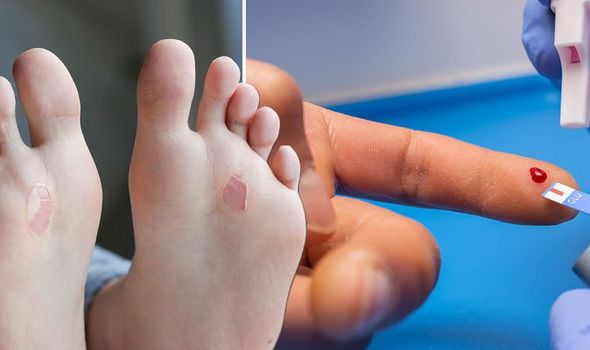
Bruising, cuts and blisters on feet are warning signs

     Bruising, cuts and blisters on feet are warning signs (Image: Getty Images)

"It’s important that those of us with diabetes regularly check our feet as nerve damage and reduced circulation, caused by diabetes, can mean having reduced awareness of pain (neuropathy) and slower healing," says Diabetes.co.uk.

As the health body explains, checking your feet is an important way to reduce the chances of developing a serious foot problem.

You should look out for any general signs of damage that can include:

  • Cuts
  • Grazes
  • Sores
  • Bruises
  • Blisters
  • Burns
  • Missing skin.

How to respond

According to the Mayo Clinic, diabetic neuropathy is a serious diabetes complication that may affect as many as 50 percent of people with diabetes. "But you can often prevent diabetic neuropathy or slow its progress with consistent blood sugar management and a healthy lifestyle," notes the health body.

The dietary decisions you make can have a profound impact on blood sugar levels.

According to Diabetes UK, all carbohydrates affect blood glucose levels so it’s important to know which foods contain carbs. "Choose the healthier foods that contain carbs and be aware of your portion sizes," advises the health body.

Here are some healthy sources of carbohydrate:

  • Whole grains like brown rice, buckwheat and whole oats
  • Fruit
  • Vegetables
  • Pulses such as chickpeas, beans and lentils
  • Dairy like unsweetened yoghurt and milk.

"At the same time, it’s also important to cut down on foods low in fibre such as white bread, white rice and highly-processed cereals," adds Diabetes UK. As it points out, you can check food labels when you’re looking for foods high in fibre if you’re unsure.

Another key component to blood sugar management is engaging in regular physical activity.

The Mayo Clinic explains: "Exercise draws on reserve sugar stored in your muscles and liver.

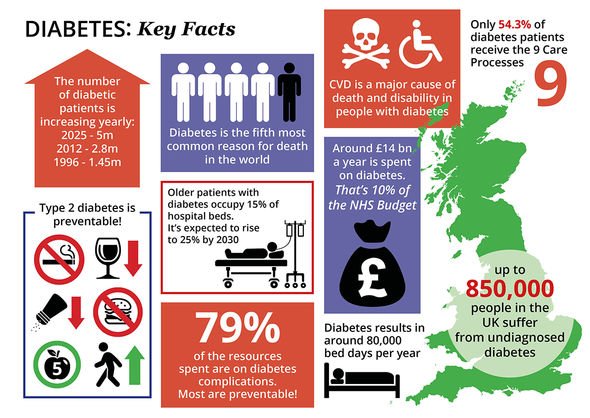
Key facts about type 2 diabetes

             Key facts about type 2 diabetes (Image: Getty Images)

"As your body rebuilds these stores, it takes sugar from your blood. The more strenuous your workout, the longer your blood sugar will be affected."

"You should aim for 2.5 hours of activity a week," advises the NHS. "You can be active anywhere as long as what you're doing gets you out of breath."

This could be:

  • Fast walking
  • Climbing stairs
  • Doing more strenuous housework or gardening.

Sunday, 2 May 2021

Going Beyond Diabetes With Your Lifestyle

From thecostaricanews.com

Eating healthy and doing exercise are the keys

Diabetes, a disease that many fear, but what is it? It is a chronic, non-communicable, and metabolic disease that occurs when the pancreas does not produce enough insulin or when the body does not use the insulin it produces effectively. Insulin is a hormone that regulates blood sugar and when diabetes is not controlled there is an increase in blood sugar (hyperglycaemia).

There are: Type 2 diabetes (non-insulin-dependent or adult-onset), Type 1 diabetes (insulin-dependent, juvenile or childhood-onset), gestational diabetes (Pregnancy) and impaired glucose tolerance and impaired fasting blood glucose

What damage does it cause?


Over time it can damage the heart, blood vessels, eyes, kidneys, and nerves, also causing other diseases in the body if the corresponding care and prevention are not taken. There is only one published study on the incidence of DM2 diabetes in Costa Rica was carried out between 2000 and 2004 and included a population of 7,039 individuals, all older than 20 years, the incidence rate was 1.62 cases per 100 people per year and they were similar for both sexes. The authors indicate a prevalence of dyslipidemia of 67.3%. Obesity, considered as a BMI> 27, occurred in 60.8%. 34.8% had a family history and 19.7% had hypertension.

Am I at risk?


Yes, all people are at risk of having diabetes, since it is a non-communicable disease and its factors are multiple from genetics to our lifestyle. Could it be that with a good lifestyle I can avoid having it in the future or control the state of my disease? Of course, lifestyle is important, eat healthily and do 180 minutes of exercise a week.

I cannot eat anything with diabetes, will I starve?

You will not die of hunger if you put your heart together with your specialist you will achieve a nutritional plan, that you will eat very well without the feeling that you are hungry or that you cannot eat delicious food with diabetes, and to prevent it you will not pass Hunger or suffering is a bad concept that exists, if you have to check the labels of the foods you eat and there you choose which one suits you best if the one that says 30 grams carbohydrates or the one that says 2 grams carbohydrates, and which one did you choose?

The one with the least carbohydrates is excellent, I recommend you if you have diabetes or want to avoid it, go to a nutritionist and put together your eating plan, if yours because each organism has different needs and you have exercise.

https://thecostaricanews.com/going-beyond-diabetes-with-your-lifestyle/