Tuesday, 25 October 2022

What to Do If You Overeat When You Have Diabetes

From eatingwell.com

Sometimes you may overeat when you have diabetes, and your best defence is being prepared 

The holidays are filled with many delicious foods that just make you emotionally feel good. Portions tend to be more than moderate and leftovers are plenty. This type of food environment is tough to control, and although you may have the best intentions, overeating is certainly possible. When you have diabetes, however, this can end up making you feel sluggish and can potentially lead to hyperglycaemia or high blood sugar. Below you'll find more information on how food impacts blood sugar and five tips on what to do if you eat too much when you have diabetes.
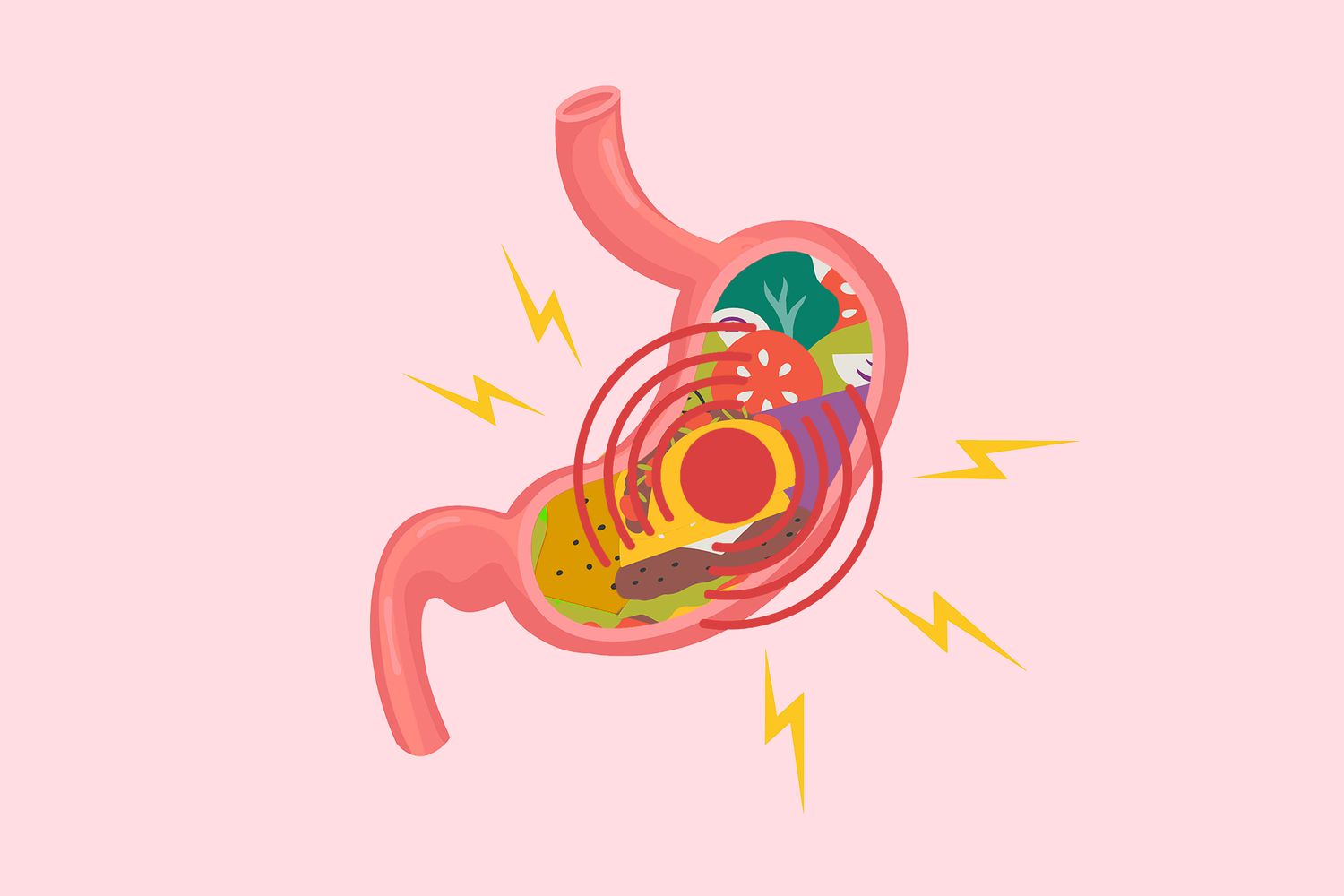
an illustration of a stomach full of foods with symbols around showing discomfort
CREDIT: GETTY IMAGES

The Impact of Food on Blood Sugar

The carbohydrates from food can cause your blood sugar (aka glucose) to go up after a meal. However, not all carbs are created equally. Complex carbs like whole grains, vegetables, fruits and legumes are higher in fibre, helping slow down your digestion and avoiding sugar spikes. In contrast, sugary foods like soda, cakes, cookies and pies are also carbs, but their high added sugar content and lack of fibre will cause an increase in your blood sugar. That doesn't mean you need to eliminate carbs from meals. Instead, focus on choosing complex ones over those with added sugar. And when you eat higher in sugar, like baked goods, have a small portion.

The amount of carbohydrates you need to eat is individual and varies depending on factors like your height, weight, sex, activity level and blood glucose management plan. A registered dietitian nutritionist (RDN) or registered dietitian (RD) can help you set an eating plan with the number of carbs that work for you. They will also consider your eating preferences, budget and habits when advising you.

Eating too many carbs, perhaps on a special occasion or during the holidays, can wreak havoc on your body, and you probably won't feel well. Also, it can potentially lead to high blood sugar or hyperglycaemia. Signs and symptoms include high blood glucose, high levels of glucose in the urine, frequent urination and increased thirst.

If you do have hyperglycaemia, you want to address it. Failing to take care of hyperglycaemia can be life-threatening, as a condition called diabetic ketoacidosis can occur. According to the American Diabetes Association (ADA), symptoms of ketoacidosis include shortness of breath, breath that smells fruity, nausea, vomiting and a very dry mouth. It is important to talk about all scenarios with your health care provider before they occur, so you know how to handle them if it does happen.

What to Do When You Overeat

Breathe

The first thing to do is not to get upset; it happens even under your best intentions. Forgive yourself, have positive thoughts and take the appropriate steps to get your blood sugar back into its normal range.

Check Your Blood Sugar

During the holidays, when there is more food than you're used to or you're not sure how your blood sugar will react, speak with your doctor about how often you should check and what your blood glucose levels should be. Checking your blood glucose and then treating high blood glucose early can help you minimize problems associated with hyperglycaemia.

Exercise

Exercise can help lower your blood glucose levels. According to a 2022 study published in Sports Medicine, walking after meals for just 2 minutes is enough to lower blood sugar. However, if your blood glucose is above 240 mg/dl, you should first check your urine for ketones, per ADA. And if you have ketones, you should not exercise as it can increase your blood sugar. Your best bet is to call your doctor to find the safest way for you to lower your blood glucose levels. 

Hydrate

When you have hyperglycaemia, one of the signs is frequent urination which can lead to dehydration. If you've found yourself overeating, drink plenty of water—at least 8 fluid ounces (or 1 cup) every hour. This can also help dilute the high blood sugar in your bloodstream.

Wear Your Medical ID

It's recommended for folks with diabetes, especially those who use insulin, to wear a medical ID at all times in case of an emergency. The medical ID usually provides critical information about the person's health status, including if they have diabetes and whether or not they use insulin. Some medical IDs include a compact USB drive that can carry a person's complete medical record to use during an emergency. Emergency medical personnel are trained to first look for a medical ID, mainly if someone cannot communicate for whatever reason.

The Bottom Line

When you have diabetes, planning ahead is your biggest strength. This is especially true when there are celebrations or holidays where you want to try all the foods included in the festivities. Remember, saying no to seconds and taking leftovers home is okay. And if you overeat, follow these tips that will help you feel better in no time.

https://www.eatingwell.com/article/8009149/what-to-do-if-you-overeat-when-you-have-diabetes/

Monday, 24 October 2022

5 natural ways to prevent type 2 diabetes before it starts

From hindustantimes.com

Diabetes with its many complications can lower quality of life and increase one's stress because of the need to constantly check blood sugar levels. Here are ways to minimise chances of diabetes

Considering the rapid rise in diabetes cases, the killer disease may soon become epidemic. Among the various underlying causes driving diabetes among the young and middle-aged, unhealthy eating habits and sedentary lifestyle are the key culprits. In many cases it gives rise to diabesity (diabetes and obesity) which significantly affects life and longevity. Diabetes with its many complications can lower quality of life and increase one's stress because of the need to constantly check blood sugar levels, eating restricted diet and daily medication. As it is said that prevention is better than cure, a certain lifestyle and eating modifications can substantially lower the risk of getting diabetes. 

"Type 2 diabetes, the most common type of diabetes, can largely be prevented by making lifestyle changes such as eating a healthy diet and becoming more physically active. Prevention is especially important if you are overweight or obese, have high cholesterol, or have a family history of diabetes.

If you have prediabetes, which means blood sugar higher than normal but not high enough to be diagnosed with diabetes, you can take simple lifestyle changes to help prevent or delay the onset of diabetes," says Dr Ranjit Unnikrishnan - Vice Chairman & Consultant, Dr Mohan’s Diabetes Specialities Centre.

Making a few changes, such as incorporating simple exercise and diet modifications into your routine, may help you avoid serious health complications of diabetes. Nerve, eyes, kidney and heart problems are just some of the consequences that may occur when you refuse to make lifestyle changes. The earlier you start making adjustments, the less likely these complications will happen.

Dr Unnikrishnan suggests 5 natural ways to prevent diabetes before it starts:

1. Keep your weight down: It is possible to cut your risk of diabetes by almost 60 per cent just by losing about 7 per cent of your body weight through changes in diet and exercise. The American Diabetes Association recommends that people with prediabetes lose 7 per cent to 10 per cent of their weight to prevent the progression of the disease. More weight lost will have an even greater impact on health. Determine your weight-loss goal based on the weight you currently are. Make sure you talk to your doctor about the goals expected, such as losing 1-2 pounds of weight a week.

2. Being physically active: It has been proven that being more active can lead to a higher quality of life. Just being a little more physically active every day can have significant benefits for your health and wellness. There are many benefits to exercising on a regular basis. Exercise has been shown to help people lose weight, and control blood sugars by boosting sensitivity to insulin. Maintaining a healthy weight is important for adults of all ages. However, most people set goals to focus on weight loss - not just weight maintenance.

3. Eat healthy: The importance of plants in your diet is that they provide essential vitamins and minerals, plus carbohydrates. Carbohydrates include sugars, starches and fibre. Dietary fibre or roughage is what your body can't digest or absorb. Fibre-rich foods can help you lose weight and lower your risk of diabetes. Some examples of healthy, fibre-rich food options include fruits and non--starchy vegetables, such as leafy greens and broccoli. Legumes such as beans, chickpeas and lentils and whole grains, such as whole wheat bread, brown rice, oats, and quinoa. You can substitute refined sugar in your diet with sucralose, a sugar substitute and sweetener that provides the benefits of low-calorie and low-carb while slowing the absorption of sugars and lowering blood sugar levels.

4. Concentrate on healthy fats: Eating healthy fats can have a positive impact on your weight and overall health. Foods with high levels of fat should be eaten in moderation to help you lose weight. Unsaturated fats, often called "good fats," are going to provide the benefits you need to manage your weight. You can get health benefits from both monounsaturated and polyunsaturated fats. The best sources of these types of fat are Olive, sunflower, safflower, cottonseed and canola oils. Nuts and seeds are an easy way to add some variety to your diet. Almonds, peanuts, flaxseed and other varieties offer their own unique benefits. Fish such as salmon, mackerel, sardines, tuna and cod are good. Saturated fats can be found in dairy products and meats. These "bad fats" should only be consumed in small amounts, otherwise you risk getting clogged arteries and other health issues. Try eating low-fat dairy and reduce your intake of red meat and high-fat poultry.

5. Avoid fad diets and focus on healthier choices: In keeping with the philosophy that, “you are what you eat,” many fad diets, such as the paleo, or keto diets, will help you lose weight. The long-term benefits of these diets are unclear and there is very little research on the diabetes prevention effects due to their limited time frame.

One of the most important dietary goals is to maintain a healthy weight and lifestyle going into the future. To do that, it’s important to make decisions that you can commit to for life. That means mixing things up with some healthy decisions and some food preferences, like taking time each day in the kitchen to prepare your favourite foods without guilt.

One strategy that can help you make better food choices and eat healthier portions is to divide your plate. There are three divisions on the plate that promote healthy eating: One-half: primarily vegetables, one quarter: whole grains, one-quarter, or 25%, of your diet should consist of protein-rich foods, like legumes, fish, or lean meats.

The American Diabetes Association recommends routine screening with diagnostic tests for type 2 diabetes for all adults aged 40 or older and the following groups: People younger than 40 who are overweight or obese and have one of more risk factors associated with diabetes and pregnant women who have had gestational diabetes.

"If you have been diagnosed with prediabetes, there are many treatment options that may help. If your child is overweight or obese and has a family history of type 2 diabetes or other risk factors, then your child may be at a greater risk for developing the same health problem. It's important to speak openly about your concerns with preventing diabetes with your doctor. He or she will show appreciation for your efforts and may offer suggestions based on your medical history or other factors," says Dr Unnikrishnan.

https://www.hindustantimes.com/lifestyle/health/diabetes-5-natural-ways-to-prevent-diabetes-before-it-starts-101666507105853.html

Friday, 21 October 2022

Diabetes, arthritis, and multiple sclerosis trace their roots back to the Black Death

From studyfinds.org

HAMILTON, Ontario — Diabetes, arthritis, and multiple sclerosis can all trace their origins back to the Black Death, according to new research. Researchers from McMaster University say the bubonic plague that ravaged Middle Age Europe fuelled genes that make people vulnerable to autoimmune diseases today.

The Black Death shaped human evolution by influencing responses against pathogens, and pandemics could continue to do so in the future, warn scientists. Natural selection occurred at pace in survivors, leaving their descendants at increased risk, their research shows.

“When a pandemic of this nature – killing 30 to 50 percent of the population – occurs, there is bound to be selection for protective alleles in humans, which is to say people susceptible to the circulating pathogen will succumb. Even a slight advantage means the difference between surviving or passing. Of course, those survivors who are of breeding age will pass on their genes,” explains evolutionary geneticist Hendrik Poinar, director of McMaster’s Ancient DNA Center, in a university release.

How did the plague lead to the body attacking itself?

The findings are based on 516 ancient DNA samples extracted from the teeth of individuals who died before, during, or soon after outbreaks in the United Kingdom and Denmark. A century-long “window” enabled the international team to identify genetic differences that dictated who survived the virus.

Some were from the remains of corpses dumped in a mass grave in East Smithfield outside London. Historical records and radiocarbon dating revealed they all died between 1348 and 1349. Analysis showed those with a protective variant known as ERAP2 were around 40 to 50 percent more likely to survive.

“The selective advantage associated with the selected loci are among the strongest ever reported in humans showing how a single pathogen can have such a strong impact to the evolution of the immune system,” says human geneticist Luis Barreiro, a professor in Genetic Medicine at the University of Chicago.

Over time, our immune systems have evolved to respond in different ways to pathogens. It is a delicate balancing act. Some variants increase the risk of autoimmune diseases like rheumatoid arthritis and Crohn’s disease. It may not have mattered during the Black Death, as the urgency made the trade-off inevitable. So, what had once been a protective gene against plague in the Middle Ages leads to increased susceptibility to illness today.

Autoimmune diseases occur when the body’s natural defence system can’t tell the difference between your own healthy cells and foreign bodies. The body mistakenly attacks itself. There are more than 80 types that affect a wide range of organs.

The Black Death is the deadliest pandemic recorded in history

The bubonic plague claimed up to 200 million lives between 1346 and 1353. It was caused by the bacterium Yersinia pestis carried by fleas and spread across Europe, the Middle East, and northern Africa — killing up to half the population.

The findings suggest little to prior immunological adaptation to the bug. In subsequent bubonic plague outbreaks over the next 400 years, mortality rates decreased. This could have been the result of changing cultural practices, pathogen evolution, or human genetic resistance.

The researchers found evidence for positive selection of mutations in immune-related genes during and after the Black Death. They identified 245 variants that were “highly differentiated” when comparing pre- and post-Black Death samples from London — four of which were replicated in the Danish sample group.

Individuals who carried some or all probably had immune defences that responded efficiently to Y. pestis, and, as a result, had much better odds of surviving infections. Study authors add that the variants have a connection to protection from Y. pestis and overlap with mutations associated with increased susceptibility to autoimmune diseases.

The findings highlight the role past pandemics may have had in shaping present-day disease risk. The Black Death remains the single greatest human mortality event in recorded history, wiping out communities in some of the most densely populated areas.

Those with two identical copies of ERAP2 survived the pandemic at a much higher rate than peers with the opposing set. They neutralized Y. pestis by immune cells. Europeans living at the time were initially very vulnerable because they had had no recent exposure to Yersinia pestis. As waves of the pandemic occurred again and again over the following centuries, mortality rates decreased.

“Understanding the dynamics that have shaped the human immune system is key to understanding how past pandemics, like the plague, contribute to our susceptibility to disease in modern times,” says Poinar.

The study, published in the journal Nature, is the result of seven years of work that took an unprecedented look at the immune genes of victims of the Black Death.

East Smithfield plague pit
Researchers extracted DNA from the remains of people buried in the East Smithfield plague pits, which were used for mass burials in 1348 and 1349. (Credit: Museum of London Archaeology (MOLA)

https://studyfinds.org/autoimmune-disease-black-death/ 

Keep Moving: Diabetics Benefit from Regular Exercise

From baxterregional.org

Diabetes is a life-threatening disease that affects 37.3 million U.S. citizens, or over 11% of the country’s population, according to the Center for Disease Control and Prevention. Additionally, 8.5 million people remain undiagnosed, and 96 million adults are considered diabetic. Locally, in Baxter and Marion counties, 10% of the total population and 25% of adults over the age of 65 are diagnosed as diabetic, according to Jodi Bodenhamer, APRN, CDCES, Reppell Diabetes Education Coordinator.

Diabetes comes in two forms. Type 1, formerly called “juvenile onset” or “insulin dependent” diabetes, is an autoimmune disorder with absolute insulin deficiency. One out of 10 diabetics have Type 1, which is usually diagnosed before the age of 20. Type 2 diabetes is a metabolic disorder affecting 9 out of 10 diabetics. Formerly called “adult onset” or “non-insulin dependent,” it is usually diagnosed after the age of 40. “People can die from diabetes,” said Bodenhamer. “The five biggest risks from both types of diabetes include heart attack, stroke, amputation, kidney failure and blindness. But we can teach patients self-management and give them the tools they need to control their disease, starting with diet and exercise. All diabetes patients can benefit from exercise, even children.”

“I often see diabetics, especially newly diagnosed diabetics, come to the gym because they heard exercise can help them control and lower blood sugar levels,” said Jonny Harvey, Occupational Health Coordinator at Baxter Regional. “Exercise can help lower and control blood sugar levels by increasing insulin and glucose usage. The complicated part for diabetics is, while exercise will bring down blood sugar, when you took your medication, last ate, what and when you ate can affect how your body and blood sugars will react.“ It’s important to work with a professional trainer before beginning an exercise program. The trainer needs to know, is the diabetic’s blood sugar under control? Do they regularly monitor their blood sugars? What other health conditions do they have? This all needs to be considered with a diabetic client’s exercise program. ”Diabetics are prone to foot infections and need to care for their feet before and following exercise, said Harvey, who cautions against activities that increase the risk of injury.

He also stresses the importance of wearing an ID, especially when exercising and to make your trainer aware of your condition. He suggests letting others you exercise with know of your condition, what to watch for and what to do in the event you have a diabetic episode. “Lots of great athletes have been diabetics,” said Harvey. He mentioned professional football players like Jay Cutler, Jake Byrne and Noah Gray; baseball players Ron Santo, James “Catfish” Hunter and Jackie Robinson; and race car drivers Jamie Dick and Conor Daly. “The exercise guidelines are mostly the same for diabetics as non-diabetics, there just needs to be adjustments for health conditions,” said Harvey.

“Follow the guidelines of 30 minutes of moderate, aerobic activity five days a week. Start slow, do stretch exercises, light weightlifting and body resistance. Just do some physical activity to keep diabetes under control. “Proper diet and exercise can enable a diabetic who is not insulin dependent to decrease or eliminate medications completely,” according to Harvey. “A poor diet and lack of exercise can cause problems with insulin sensitivity, and diabetics are often taking blood pressure and cholesterol medications. “For diabetics and non-diabetics, proper diet and exercise causes weight loss. When someone loses weight and is able to maintain a healthy weight, they eliminate or reduce their need for many medications.”

https://www.baxterregional.org/news-updates/2022/october/keep-moving-diabetics-benefit-from-regular-exerc/ 

Thursday, 20 October 2022

What Causes Secondary Diabetes?

From verywellhealth.com 

Secondary diabetes refers to glucose intolerance. "Glucose intolerance" is a term for health disorders that cause high blood sugar. In some instances, this condition can be caused by other medical problems. Secondary diabetes differs in some ways from other types of diabetes, but it still requires you to control your blood sugar and make lifestyle changes.

This article discusses the various causes of secondary diabetes and how they are managed. 

Healthcare provider discusses diabetes screening with person seeking care

Maskot / Getty Images

Secondary Diabetes vs. Type 2 Diabetes

Secondary diabetes (type 3C) and type 2 diabetes may present with the same symptoms. However, the two are not the same. Type 2 diabetes is caused by a problem with how the body utilises insulin, a hormone created by the pancreas. Insulin converts sugar to energy in the body.

Once cells become resistant to insulin, the pancreas cannot make enough insulin. These issues typically result from lifestyle factors such as obesity, a lack of exercise, or an unhealthy diet.

Secondary diabetes, on the other hand, doesn’t develop because of an issue with insulin but rather because of other disorders that affect the endocrine system. In addition, secondary diabetes can result from problems with medication use, hormonal disorders, and genetic syndromes.

What Is the Endocrine System?

The endocrine system is made up of glands that secrete specific hormones designed to encourage the proper functioning of the body. It regulates metabolism, sleep, blood pressure, growth and development, emotions and mood, and sexual function.

When those glands do not operate properly, health issues can arise. There are several glands involved in hormone production and release in the endocrine system, such as:

  • Ovaries, located beside the uterus, one on both sides
  • Pancreas, situated in front of the spine behind the stomach (regulates insulin production and release)
  • Testes, situated in the scrotum
  • Pineal gland, located in the brain
  • Adrenal glands, located on the top of the kidneys
  • Thyroid, situated in the front of the neck
  • Parathyroid, located next to the thyroid gland in the neck
  • Hypothalamus gland, located in the brain
  • Pituitary gland, located at the base of the brain

Pancreatic Disorders

Since the pancreas is in charge of insulin production, disorders that affect how it works can cause issues with blood sugar and, thus, lead to secondary diabetes. The two most common pancreatic disorders associated with secondary diabetes are chronic pancreatitis, which is long-term inflammation of the pancreas, and pancreatic cancer. 

How Common Is Secondary Diabetes in People With Pancreatic Disorders?

Between 25% and 80% of people with chronic pancreatitis will develop secondary diabetes. The prevalence of secondary diabetes is lower in people with pancreatic cancer, at roughly 8%.

Hormonal Disorders

Hormonal disorders, or endocrine disorders, can arise when the glands that produce or release hormones are compromised. Several types of hormone disorders can lead to secondary diabetes, including:

Acromegaly: This disorder arises when the body produces growth hormone in excess.

Cushing’s syndrome: Cushing’s syndrome develops when cortisol, the stress hormone, is produced in dangerously high amounts in the body. 

Pheochromocytoma: This is a type of tumour that releases its own hormones, disrupting the balance in the body. 

Hyperthyroidism and hypothyroidism: Hyperthyroidism and hypothyroidism are conditions that arise when the thyroid glands produce too much (hyper) or too little (hypo) of thyroid hormones.

Glucagonoma: These tumours develop in the cells of the pancreas that produce glucagon, which helps the liver break down glucose, or sugar. 

Somatostatinoma: This type of tumour produces excessive amounts of the hormone somatostatin, which helps to regulate the entire endocrine system.

Is Secondary Diabetes Caused by Endocrine Disorders Permanent?

In most cases, secondary diabetes is permanent. Even if a person seeks treatment for their hormonal imbalance disorder, the effects and damage caused by it that leads to secondary diabetes are often irreversible.

Medications

Otherwise known as drug-induced diabetes, secondary diabetes can occur after taking drugs from certain medication classes, including:

  • Corticosteroids
  • Thiazide diuretics
  • Beta-blockers
  • Antipsychotics
  • Statins

Is Drug-Induced Diabetes Permanent?

Usually, drug-induced secondary diabetes can be reversed in the short term if medication is stopped.

Other Conditions

Some genetic syndromes may lead to secondary diabetes because they cause severe insulin resistance. Genetic syndromes are the result of mutations in specific genes. Genes are instruction manuals that provide the body with the information it needs to produce particular proteins.

The information encoded in genes determines characteristics, physical traits, and how each person's body functions. A person gets two copies of every gene, one from each of their parents.

Gene mutations change the information encoded in the DNA and, thus, can lead to changes in how the body functions. In some cases, it leads to illnesses.

Some genetic syndromes connected to secondary diabetes include:

  • Cystic fibrosis (inherited condition causing extreme damage to the lungs and other organs)
  • Rabson-Mendenhall syndrome (extremely rare genetic condition causing severe insulin resistance)
  • Type A insulin-resistant syndrome (rare genetic condition causing severe insulin resistance)
  • Congenital lipodystrophic diabetes (rare, severe genetic disorder causing early-onset diabetes)
  • Wolfram syndrome (inherited disorder causing early-onset insulin-dependent diabetes)

The genes that play a role in the function of the pancreatic cells are associated with the onset of secondary diabetes. In these illnesses, they can lead to insulin resistance, insufficient production of insulin, or a defect in how insulin is converted from proinsulin, a building block for insulin.

What Is Insulin Resistance?

Insulin resistance occurs when cells in the body cannot take up glucose, or sugar, from the blood as easily as they should. When the cells do not take up glucose, the pancreas makes more than the body truly needs in an attempt to provide those cells with the glucose they need to use as energy.

Treatments

The treatments for secondary diabetes may vary depending on the cause. For drug-induced diabetes, stopping the drug may reverse if the medication is only used short-term.

In cases of permanent secondary diabetes, medications must be taken to help the body control glucose levels in the blood. One common drug used to treat diabetes is Glucophage (metformin). Metformin makes cells more sensitive to insulin, thus, allowing them to pick up the glucose in the blood more easily.

That said, insulin therapy is often the first treatment for people with secondary diabetes, especially those with endocrine disorders and cystic fibrosis.

Lifestyle changes may also need to be made to help address high blood sugar caused by secondary diabetes, including

  • Avoiding smoking and alcohol consumption
  • Doing moderate exercise
  • Eating a diet that is high in fibre, low in fat, and contains high levels of nutrients

Knowing What Treatment Is Right for You

The only way to know what treatment will work for you is by seeing your healthcare provider. They will determine the cause of your secondary diabetes and choose a treatment that is specific to your case.

A variety of health disorders cause secondary diabetes. Some of the most common causes of secondary diabetes are pancreatic disorders and other conditions that affect the endocrine system. In some cases, medications can induce diabetes. In others, genetic syndromes may play a role in developing secondary diabetes.

While the symptoms and effects of secondary diabetes are the same as other types of the disease, they are not the same because secondary diabetes is brought on by another disorder and doesn’t develop as a primary condition. Treatment for this condition varies depending on what caused it. In some cases, it can be permanent, and you must manage your symptoms and blood sugar levels for the rest of your life.

A Word From Verywell

Having to cope with one chronic disorder and then having another one develop isn't easy. That said, when secondary diabetes is managed effectively, it can be a lot easier to live with.

If you have been recently diagnosed with secondary diabetes, talk to your healthcare provider about all your options and what you can do to manage it in the best way possible. Doing so will ensure that your quality of life isn't compromised further, and you can continue to enjoy your life as you have been.

FREQUENTLY ASKED QUESTIONS

  • Which conditions can lead to secondary diabetes?

    Many conditions can lead to secondary diabetes. The most commonly associated conditions are those that affect how the endocrine system works. Others, such as genetic syndromes, can also lead to the development of secondary diabetes.

  • Can secondary diabetes be cured?

    In many cases, secondary diabetes brought on by another health condition is permanent, so there is no cure. Drug-induced secondary diabetes is often reversible if the medication is taken only in the short term. Whether you can cure secondary diabetes depends highly on the cause and damage to your system.

  • Is secondary diabetes the same as type 2 diabetes?

    Secondary diabetes and type 2 diabetes are not the same. While the two will present with the same symptoms and effects, they are not caused by the same thing. Health conditions or medications bring on secondary diabetes, whereas Type 2 diabetes is caused by lifestyle factors such as an unhealthy diet, lack of exercise, and obesity.

  • https://www.verywellhealth.com/secondary-diabetes-causes-6542817