Showing posts with label travel. Show all posts

Friday, 14 August 2026

Travelling with diabetes

From diabetes.org.uk

Travelling with diabetes means there are a few more things to think about before you set off. But living with diabetes shouldn't be a barrier to taking trips or holidays at home or abroad.

Plan to take two to three times the amount of insulin or other diabetes medication and equipment you’d normally use. This will give you peace of mind if you have to stay longer for any reason or if there are disruptions.

If you’re travelling abroad, a little extra planning can go a long way to help you relax and enjoy yourself. Don't forget your doctor's letter and travel insurance. 

    Checklist for people travelling with diabetes

    Check your airline’s guidelines for people with diabetes

    Contact your airline or other operator or look on their website for their guidelines for people living with diabetes. You may need to complete forms in advance, particularly if you use an insulin pump or continuous glucose monitor (CGM). You can also check health information for the country you’re visiting – follow the links on the Foreign travel advice page on the gov.uk website. 

    Organise medication with your healthcare team

    Get extra supplies of medication, device spares, and backup 

    Ask your healthcare team for prescriptions for extra insulin, other diabetes medication, and if you use devices, extra supplies and manual equipment. Flying with an insulin pump, CGM or Freestyle Libre shouldn’t be a problem. But it is sensible to have back up in case of a failure. Expect to take two to three times the amount of medication or supplies you'd usually need. 

    Get advice on adjusting insulin on long-haul flights

    If you are going on a long-haul flight discuss this with your healthcare team. They will advise on any adjustments to your insulin injections or insulin pump - or medication that may be required if you are crossing time zones.

    Request a travel letter about your diabetes 

    In some cases, you may be required to get a letter from your healthcare team stating you have diabetes and that you need to carry medical supplies. The letter should include details about your medication, if for any reason you need to carry medication in containers over 100mls, and any devices that you use.

    Please check with the airline before you travel as a letter may be requested by some airlines and other operators and is helpful in the event of an emergency.

    It is also advisable to take a copy of a recent prescription with you in case you should need to get supplies whilst away. If you have the NHS app on your mobile phone this also shows your GP record and repeat prescription information.

    Download a medical awareness card 

    If you use a CGM, insulin pump, or Freestyle Libre, and are flying, download a Medical Device Awareness Card (PDF, 71KB) from the City Aviation Authority's website to go with your doctor's letter. The card is not essential, but it may make things easier. You show this to airport security officers with your letter, as it sets out the rules on screening if you wear a medical device. 

    Check insulin supply in the destination country

    Before travelling, find out where you can get supplies of insulin at your destination in case of emergency. Contact your insulin manufacturer before the trip to see if your insulin is supplied in the country you are travelling to. 

    Insulin manufacturers - contact details

    Manufacturer Contact number
    Eli Lilly & Company 01256 315000
    Novo Nordisk Ltd0800 0232 573
    Sanofi0800 035 2525
    Wockhardt UK01978 661261

    Managing insulin when crossing time zones

    Long-haul flights east or west involve crossing time zones. And you may need to adjust your insulin. Eastward travel will shorten the day, and generally mean a temporary reduction in insulin doses, whereas westward travel will extend the day, and possibly increase insulin requirements.

    Speak to your healthcare team for advice about adjusting your insulin doses. Have your flight details to hand including your departure time, the length of the flight, and the local time of arrival.

    Time zones and tablets

    If you take diabetes tablets, you are unlikely to have any particular problems. Very occasionally, it may be necessary to take extra tablets to cover a longer day. Do discuss this with your diabetes care team beforehand. 

    You may, on occasions, need to leave out one dose of tablets on a short day, when you are travelling on a long west to east journey. Speak to your diabetes care team about this well in advance of the trip.

    Crossing time zones and using an insulin pump, CGM or Freestyle Libre 

    If you are going on a long-haul flight, you may cross different time zones. 

    When crossing different time zones, you may need to change the time or date on some insulin pumps manually so you get the correct basal insulin dose. Speak with your healthcare provider before you travel to get their advice on which settings to change and when. 

    If you use an app, the date and time on smartphones should automatically update when travelling across time zones. If you use a Freestyle Libre reader, you will manually need to adjust the time for accurate reports. 

    Storing insulin

    If you're travelling somewhere hot, remember that heat can damage your insulin and stop it from working properly. Insulin damaged by heat may have a brownish colour, and clear insulin may become cloudy. Do not use insulin that looks like this. 

    When travelling with insulin, it is best to keep it cool by storing it in a hotel fridge (if there is one in your room) or in a cool bag (providing it does not freeze). A variety of cool bags and storage containers are available. If using a cool bag that uses plastic ice blocks, make sure that the insulin does not come into contact with the frozen plastic containers.

    Get more information on managing diabetes in hot weather.

    Storing insulin in cold climates

    Insulin can freeze in very extreme temperatures but cannot be used if it has been frozen, so if you are planning to visit the arctic (or somewhere equally cold) make sure you keep insulin at room temperature or even on you in an inside pocket or pouch close to your body, to ensure it doesn’t freeze. 

    Get more information on managing diabetes in cold weather.

    Get travel insurance

    If you have diabetes, travel insurance is important. You want peace of mind that any emergency medical costs for your diabetes or any other medical condition is covered. 

    Make sure that any travel insurance covers pre-existing medical conditions like diabetes, as many don’t. It’s also really important you ask if they cover coronavirus in case you need treatment while you’re away. 

    You can also check health information for the country you’re visiting – see the Foreign travel advice page on the gov.uk website.

    UK residents travelling to the EU still have access to emergency and necessary healthcare. (See the guidance on travelling with an existing medical condition if you go to the EU).

    However, we still advise that you get travel insurance because free health cover provided by the European Health Insurance Card (EHIC) and Global Health Insurance Card (GHIC) doesn’t cover certain things like emergency repatriation (if you need to come home) and not all countries give the same level of cover as the NHS. 
     

    If you have diabetes and planning a trip, we can help you get Coronavirus-covered travel insurance with AllClear Insure My Diabetes.

    What to pack in your hand luggage

    • All diabetes medication 
    • Diabetes supplies – including sensors and other device spares
    • Diabetes identity card or wrist band
    • A letter from your doctor about your diabetes and treatment and if you use an insulin pump, CGM or flash glucose monitor.
    • A prescription sheet
    • Hypo treatments 
    • Extra snacks in case of delays like nuts, fruit or a sandwich.


    Split meds between separate bags if you can, for example, if you’re travelling with a partner or friend, in case you lose something. 

    "Be prepared. I always travel with a backpack full of snacks, medication and everything I need. I don't rely on airport shops being open or other amenities. And when I'm in the mountains, I always have at least three snacks with me." Read Lee's story.

    Can I carry insulin in my hand luggage?

    Always carry insulin, other diabetes medication, device spares, hypo treatments and other diabetes supplies in hand luggage. It’s important to keep insulin in hand luggage as being in the hold can damage it as it’s so cold and luggage can be lost. 

    Sensors or other device spares must go in hand luggage as they can be damaged by hold luggage X-rays.

    Medication restrictions at the airport

    Carrying a doctor’s letter from your GP is requested by some airlines and is helpful to show airport security if there is any confusion.  

    Current security regulations state that liquid items are only allowed in your hand luggage if they are in containers 100mls or less. There is no restriction on the number of tablets you can take through airport security but they should be mentioned in your doctor’s letter.

    Flying with an insulin pump, CGM or Freestyle Libre

    It's sensible to look up the manufacturer's advice on flying with your particular device.

    Insulin pumps are safe for use during air travel and you can continue to use CGM or flash glucose sensors whilst flying. Connect them to the handset or your phone using Bluetooth. They will still work if your phone is on airplane mode. 

    If you use an insulin pump, be aware that changes in air pressure when flying can change the amount of insulin delivered by the insulin pump. So it is important to monitor your blood sugar levels more closely on flights, especially around take-off and landing.

    When you buy your ticket, contact your airline or other operator or look on their website for their guidelines for people living with diabetes. You may need to complete forms in advance, particularly if you use an insulin pump or continuous glucose monitor (CGM). If you don't do this, in some cases it may cause delay.

    If you use a CGM, insulin pump or Freestyle Libre, security staff may ask to see evidence that you need to use one – so you’ll need a letter from your GP or healthcare team to say so.

    You can also print off a Medical Device Awareness Card (PDF, 71KB) from the Civil Aviation Authority website to go with your letter. This sets out screening advice for you (the passenger) and the security officer carrying out the checks.

    You should also speak to your diabetes team before you go. They can give your more advice about travelling with diabetes on planes. And should you need to remove your pump for any reason, they can provide you with any extra equipment like insulin pens and help plan your doses throughout your journey.

    "Since I've been using the Dexcom CGM I’ve been surfing, I’ve been on solo holidays, I’ve been abroad. I’ve done all the things I wasn’t sure I’d be able to do when I first got diagnosed." Georgia. 

    Can CGMs, insulin pumps and Freestyle Libre sensors go through airport security scanners?

    Not all diabetes technology can safely go through security checks at airports. It's important to speak with your healthcare team and look up the manufacturer's security scanning advice for your particular device. We have general guidance below.

    Guidance on metal detectors and CGMs and pumps

    Most types of CGM/Freestyle Libre sensors and insulin pumps can be taken through the metal detector arches that you walk through. 

    X-ray luggage scanners, body scanners and CGMS and pumps 

    Most types of CGM/Freestyle Libre sensors and insulin pumps - and any spare devices or sensors - should not be exposed to x-ray luggage scanners, hold luggage scanners or full body scanners.

    If you don’t want to remove your CGM/sensor/insulin pump to go through a full body scanner, ask for a “pat down” instead. Please be aware that this may take some time, as a pat down might need to be completed by a specific member of staff, so it may be helpful to factor this into your travel plans and leave plenty of time to go through airport security.

    You should never be asked to remove a medical device from your body for screening. And you should be offered alternative methods of screening.

    Carrying a Medical Device awareness card (PDF, 71KB) along with your GP’s letter reminds you and the security staff of the screening advice for medical devices.

    What to eat on the plane

    Airlines can provide information on the times of most meals so you can plan your insulin.

    It is best to order the standard meal, though this may not supply you with enough carbohydrates if you are on insulin or certain diabetes tablets. Cabin crew are usually able to provide fruit, crackers or rolls.

    On long flights, you may need snacks in between meals and at bedtime to prevent blood sugar levels going too low. If you use insulin, monitor your blood sugar levels frequently and be prepared to make changes to your dosage.

    Looking after diabetes in hot climates

    In hot countries, the biggest health threat is the sun, so keep covered.

    Wear clothes that cover and protect your skin and make sure you wear high factor sunscreen. People often miss the backs of their hands and necks, so make sure you keep these covered and protected with sunscreen.

    Sunglasses should also have a UV400 label to make sure they protect your eyes. 

    Take particular care of your feet if you have neuropathy which is numbness 
in your feet. This can mean you’re not aware skin is burning so protect them from the sun with socks or sunscreen. Make sure you wear well-fitting sandals on the beach, so they don’t burn on the hot sand.

    Sunbathing and blood sugar levels

    Sunbathing on the beach can make your blood sugar levels higher than normal because you're not being very active.

    Your insulin may be absorbed more quickly from the injection site in hot weather too, and this increases the risk of hypos. You’ll need to monitor your levels more often and be ready to adjust your diet or insulin dose. 

    Be careful of misleading test results because the extremes of temperature may affect the accuracy of your blood glucose meter.

    Find out more about diabetes and hot weather.

    Looking after diabetes in cold weather and climates

    In cold weather, your insulin may be absorbed more slowly at first, but can then be absorbed suddenly when you warm up later in the day. This can cause you to have a hypo. If your body also uses up more energy staying warm, for example shivering, this can lead to hypos too. So it can be useful to wear layers in colder climates which will both help to keep you warm and allow you to remove clothing if you need to as you warm up. 

    Hypos are more dangerous in cold conditions. This is because they interfere with your body’s attempts to stay warm and increase the risk of hypothermia. So you may need to monitor your levels more often and be ready to adjust your diet or insulin dose if needed. 

    Guarding against hypos is really important so remember your meter may not be accurate in cold conditions. If you are heading somewhere with extreme cold weather check the meter instructions for temperatures it will be accurate at and keep it wherever possible at room temperature. 

    If you suffer from poor circulation or have neuropathy, it's particularly important to prevent frostbite, because the numbness in your feet can mean you don't feel the cold. Make sure you check your feet regularly in cold countries and take plenty of layers including spare socks.

    Find out more about storing insulin.

    Keeping to your diabetes routines when you're away

    It’s important to remember your routines for managing diabetes when you’re abroad. Your job isn’t to avoid trying new things or enjoying yourself. It’s just to be aware that eating different foods, becoming more or less active or drinking alcohol can all make a difference to your blood sugar levels. So check regularly and keep yourself safe. 

    “As well as a letter from my GP, my phone comes with a health app that I’ve put information about my diabetes and medication in. In an emergency, people can access this without having to unlock my phone.” Lucy.

    If you have a tummy bug or you find yourself unable to eat or drink, follow your sick day rules. If you develop Covid symptoms while abroad or during travel, you must review the local regulations and follow local public health guidance if available. 

    If the worst comes to the worst and you find you need to go to the hospital while away, don't be alarmed if your blood sugar levels are described differently. Some countries measure blood sugar in milligrams per deciletre instead of millimoles per litre - take a look at our blood glucose conversion chart below. 
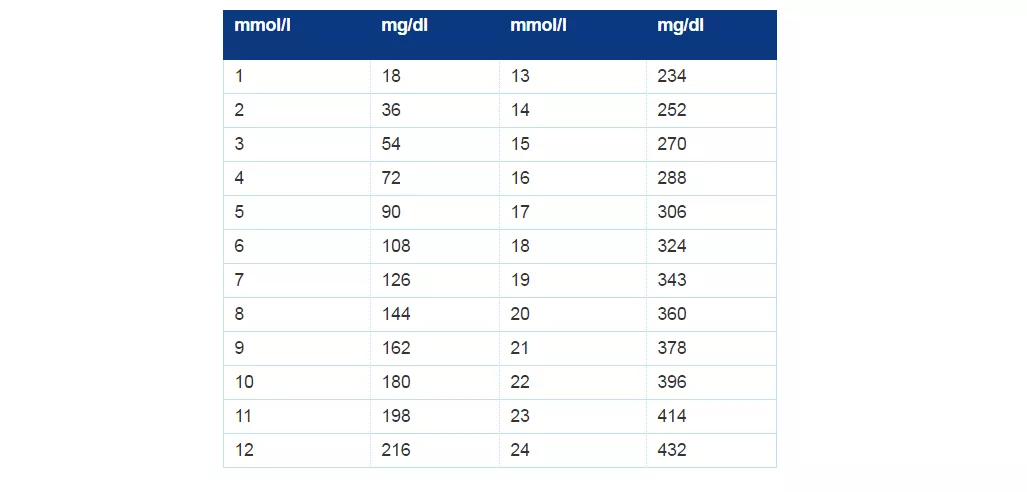
    Travel with diabeteshttps://www.diabetes.org.uk/living-with-diabetes/life-with-diabetes/travel?utm_campaign=7445434_Enewsletter%20-%20August%202026%20-%20General&utm_medium=email&utm_source=dot_digital&dm_i=79RZ,4FKXM,1PBE5R,BOIBL,1,0,0,0 

    Thursday, 23 July 2026

    How to Navigate Airports and Client Dinners With Type 2 Diabetes

    From everydayhealth.com

    When you have type 2 diabetes, diet restrictions can make it hard to manage business dinners and travel. Airports and restaurants offer easy and delicious meal and snack options, but many have hidden ingredients or large portions that can spike your blood sugar.
    But if you know what to watch for and how to plan, you can eat well during travel and meals with clients. This doesn’t mean you have to obsess over your diet, says Yoon Kook Kim, MD, an endocrinologist at the University of Maryland St. Joseph Medical Center in Towson, Maryland.

    “Instead, focus on mostly making the better menu choices the majority of times,” says Dr. Kim. “Allow yourself some wiggle room, some opportunities to treat yourself, but keep your focus on the long game of healthfully managing your diabetes for life.”

    Finding Type 2 Diabetes-Friendly Options in the Airport

    “Traveling can wreak havoc with your diet, when healthy options may not be as handy or readily available,” says Kim. At the airport, check nutrition labels on snacks and look online before your trip to find healthy food options in your terminal.

    “In most cases, these eateries have the nutritional information available for their menu items, and trying to keep the carbohydrate count to lower than 60 grams per meal can be a reasonable goal to meet, even while traveling,” says Kim.

    But keep in mind that people with diabetes still need carbohydrates in their diet, says Trudy LeBeau, RDN, a registered dietitian with an advanced specialty in diabetes at LCMC Health in Mandeville, Louisiana. “Choose carbohydrates that are whole grain, high fibre, and contain protein.”

    Focus on Fibre and Protein

    “When possible, look for less processed options that contain protein, fibre, and healthy fats,” says LeBeau, who recommends these snack choices:

    • Boiled eggs
    • Unsalted nuts
    • Hummus with carrots or celery
    • Apple slices
    • Peanut butter
    • Low-sugar Greek yogurt

    “These options will keep you full longer and have less impact on your blood glucose,” says LeBeau. If you grab a salad, be careful how much dressing you use, and check the added sugar content on the dressing label, says LeBeau.

    While salted foods don’t cause blood sugar spikes, too much salt in your diet can impact your blood pressure. People with diabetes are at higher risk of high blood pressure, so it’s a good idea to look for low-sodium choices, like unsalted nuts.

    Most airports offer healthier choices like these, says Kalyn True, RDN, a registered dietitian at Memorial Hermann Health System in Houston, who recommends looking for “protein packs” with low-fat cheeses, turkey, and whole-grain crackers or fruits. “Some of the kiosks have apple slices or other fresh fruits available for purchase as well,” says True.

    Identify Hidden Sugars

    Check all snacks and drinks for hidden sugars by reading nutrition labels and checking sugar content, says LeBeau. “These snack items will increase your blood glucose and overall decrease your energy, making you feel tired and sluggish.”

    Anything with added sugars totalling 5 percent or less is considered a low source of added sugar, and a good guideline for making food choices on the go.

    Our experts recommend avoiding or minimizing these common snack or drink options:

    • Sweet treats: Pastries, muffins, cookies, chips, candy, glazed nuts, granola bars, and candy bars
    • Ultra-processed foods: Fast-food style pizzas, fast-food burgers, and hot dogs
    • Sugary beverages: Sodas, juices, fruit smoothies, syrup-filled coffees, mixed drinks, sweet wine

    “Besides the blood sugar aspect, they are also not generally filling for the long term,” says True. Usually after eating these things, you’ll be hungry again in an hour or two, says True.

    Here are some common foods you’ll want to skip, and some that are ideal for traveling with diabetes:

    Skip This
    Grab That
    Candy, cookies, pies, or cakes
    Low-sugar Greek yogurt with berries
    Canned fruit or fruit with sugar glaze
    Fresh fruit
    Nuts with a glaze or trail mix with candy
    Unsalted nuts or “protein packs” with cheese and turkey
    Fast-food burgers or hot dogs
    Whole-wheat bread sandwiches with grilled chicken or fish
    Sweetened or alcoholic beverages
    Water or zero-calorie beverages
    Granola bars
    Protein bars with under 15 g of total carbohydrates

    Tackling Business Dinners With Confidence

    Between extra-large portions and hidden sugars, eating out with diabetes can feel like stepping onto a minefield. But by planning ahead, you can manage your diet well, even while eating out.

    Choose Your Order Early

    Most restaurants have their menus available online, and many also share nutritional information for each dish. If you check out your options before you leave, you can make healthy choices without feeling the pressure of figuring out a new menu with clients across the table.
    If the restaurant doesn’t have an online menu or the information you want, you can call them ahead of time to ask about ingredients, dish preparation, and possible substitutions. You can also notify the staff about dietary restrictions while making a reservation.

    Know Which Menu Items to Look For

    “Try to find meals with the Diabetes Plate for Meal Planning in mind,” says LeBeau.

    A meal that follows the Diabetes Plate plan looks like this:
    • 50 percent non-starchy vegetables (asparagus, broccoli, cauliflower, Brussels sprouts, kale)
    • 25 percent carbohydrates (brown rice, quinoa, whole-grain bread or pasta, corn, acorn squash, potatoes, beans)
    • 25 percent lean protein (chicken or turkey, fish or other seafood, lean beef or pork, tofu, tempeh)
    As you make your menu choice, avoid foods that are fried or topped with a cream sauce, and choose water or zero-calorie drinks, says LeBeau. Pick baked, steamed, grilled, or broiled foods instead of fried or breaded.
    Avoid foods with sweet sauces like barbecue, teriyaki, or anything honey-based. Also be sure to ask for salad dressings or other sauces on the side so you can control how much you use.

    “I would also caution people to be on the lookout for the free items that can be dropped at the table,” says True. “Chips and breads can be extra refined carbohydrates and not ideal.”

    Kim recommends looking at the menu and weighing out your enjoyment-to-sugar-spike ratio. “If eating even half the portion of a pasta dish will make you feel more satisfied and motivated to work out than eating a whole serving of mediocre salad, the pasta would be a better option in that case,” says Kim.

    You can also ask for simple swaps when ordering — such as requesting that black beans be subbed for refried beans.

    “To keep from overloading on sugar, skip dessert,” says Kim. “If you’ve got to indulge your sweet tooth, be sure to keep the portion size very small.”

    If you know you will be tempted to finish an extra-large portion, you can ask for half of it to be boxed up when they deliver it. You can also build a smaller meal by pairing appetizers or sides.

    What if There’s Alcohol Served?

    The sugar in many alcoholic beverages can raise your blood glucose. If you’d like to have a drink with your dinner guests, order dry wine, which has a lower alcohol content than sweet wines, says Kim.
    Avoid drinking alcohol on an empty stomach, which can actually make your blood sugar too low, says True. Alcohol affects everyone a bit differently, so it’s important to measure your blood glucose before and after you drink to monitor how it affects your sugar levels.

    If you want to politely avoid drinking, a simple “no thanks, not tonight” is an easy out, says True. You can also order sparkling water with lime, says True, who recommends avoiding tonic water, which can have sugar in it.

    Adding Movement Throughout the Day

    Movement and exercise play an important part in managing diabetes, says LeBeau. “When you are active, your cells become more sensitive to insulin, effectively lowering your blood glucose.”

    When you build your muscles, they help absorb the glucose in your bloodstream, which can help reduce blood sugar spikes and increase energy levels.

    “To help lower your blood sugar more immediately, focus on aerobic activity,” says Kim. “A brisk walk, a bike ride, or climbing the stairs can help you ‘use up’ the higher levels of blood sugar rapidly.”

    Walking laps around the airport or marching in place are small ways you can incorporate activity while traveling without a gym.
    Kim tells his patients to go for a 30-minute walk after their most carbohydrate-heavy meal of the day. Even doing three minutes of movement every 30 minutes can help your blood sugars stay steady.

    Thursday, 4 June 2026

    9 Tips for Camping and Hiking With Type 1 Diabetes

    From everydayhealth.com

    By Jessica Freeborn

    If you have type 1 diabetes (T1D), hiking and camping can be a little more complicated. When you’re off in the wilderness, miles from doctors and roads, you’ll need to take special care of your insulin and medical equipment, and complications like low blood sugar (hypoglycaemia) can be especially dangerous. 

    “Hiking can bring in so many extra factors to the mix that you might not be expecting when you're doing other types of exercising,” says the certified diabetes care and education specialist Jen Hanson, the executive director of Connected in Motion, a non-profit that organizes wilderness adventures for adults with type 1 diabetes. 

    With a little extra planning, says Hanson, who has type 1 diabetes herself, you can have an enjoyable and safe time in the great outdoors.  

                                                                                                                                                                                                 iStock

    1. Bring Backups for All Your Diabetes Supplies

    It’s often recommended to double the amount of diabetes supplies you carry when traveling, and hiking and camping trips are no exception. For people with T1D who have an insulin pump, it may also be a good idea to bring a backup way to deliver insulin.

    “Bring both long- and short-acting insulin, syringes or pen needles, and a backup glucagon kit,” says Rekha Kumar, MD, an endocrinologist at NewYork-Presbyterian and Weill Cornell Medicine. She also notes that people who use an insulin pump should bring backup insulin in case of pump malfunctions. 

    “Some of the things that I see most commonly when hiking with people with diabetes are [CGM or pump] sites that get ripped out when backpacks are taken off or put on, [and] a lot of sweat that can lead to sites falling off,” Hanson says. 

    2. Bring More Sugar Than You Think You’ll Need

    Physical activity like hiking increases the risk of low blood sugar, and there are no grocery stores in the wilderness.

    “It's probably a good idea to pack more [sugar] than you're going to need,” says Hanson, explaining that hikes can take longer than you expect. She encourages people to think about “the maximum duration of time that you might possibly be out there and pack accordingly.” 

    Dr. Kumar adds that it can be a good idea to pack multiple forms of sugar, and you should also consider the environment where you’re hiking. Fruit gummies can freeze in cold weather, and glucose tablets can degrade or clump because of sweat and heat. “Bring gel packets because they’re more reliable in outdoor temperatures,” she says.

    3. Inform Friends About Your Condition

    Hiking partners play an important role in recognizing and responding to low blood sugar. “The companions that somebody is hiking or camping with should know what low blood sugar or hypoglycaemia looks like,” says Kumar. 

    Visible symptoms of hypoglycaemia include:
    • Shakiness
    • Sweating
    • Confusion
    • Weakness
    • Vision changes
    • Slurred speech

    Kumar says very low blood sugar may look like intoxication or altitude sickness, and just knowing there's a range of symptoms can be crucial in remote settings where quick recognition matters. 

    It’s equally important your camping and hiking partners know how to respond during a low-blood-sugar event. Hanson says friends should understand in advance how you want them to help, including where your low blood sugar supplies are stored. Your friends should be prepared to find your sugar source and help you eat or drink it.

    4. Pack Glucagon 

    Glucagon is a medication used to treat low blood sugar levels so severe that you can no longer treat them yourself by simply eating or drinking something sugary. It works by signalling the liver to release stored glucose into the bloodstream. 

    There are different forms of glucagon available, including a nasal spray or a pen that’s similar to an EpiPen, which Kumar says are preferable in outdoor settings, because they’re faster and easier to administer.

    Ideally, you’d have someone on your trip that knows how to properly administer glucagon. “If the person is unable to swallow or loses consciousness, administering glucagon and contacting emergency services can be lifesaving. Clear, simple instructions shared in advance can support a quick and effective response,” says Barbara Eichorst, RD, CDCES, the vice president of healthcare programs at the American Diabetes Association.  

                                                                                                                                                                  Everyday Health

    5. Wear a Medical ID Bracelet

    Medical ID bracelets or necklaces alert emergency personnel to conditions such as type 1 diabetes. An ID bracelet could help in a situation where you become unresponsive, such as with extremely low blood sugar.

    “Wearing a medical identification bracelet or necklace that indicates type 1 diabetes and insulin use is strongly recommended,” says Eichorst. “In the event of an emergency, this can help others, including first responders, quickly understand the situation and provide appropriate care.” 

    6. Adjust Insulin for Activity 

    If you’re going to be walking, hiking, kayaking, or skiing for most of the day, you might need to dial down the amount of insulin you’re using, both before and after your workout.

    “Aerobic exercise like hiking lowers blood sugar, and that can persist for 12 to 24 hours post exercise. Even the night after you hike, you're at risk of low blood sugar,” says Kumar. For people using insulin pumps, this may involve temporarily reducing basal insulin delivery, while those on injections may need to adjust both long-acting and mealtime doses, she says. 

    Hanson says it may be helpful to “think about putting your basal rates back to normal about 30 minutes before you're about to end your hike to avoid a really big blood sugar spike at the end of the day.”

    If you’re not familiar with making such adjustments on your own, it’s a good idea to discuss your plans with your doctor. 

    7. Stay Hydrated and Fuelled

    Consuming enough water is important when exercising and in hot and humid conditions. “Hydration is often overlooked, but is really key, and that's whether you have diabetes or not,” Hanson says. “So don't miss those opportunities to fill your water bottle.”

    Don’t neglect proper nutrition either. “During the day, your body is using all the food you're eating for energy, but it's also breaking down energy that's been stored in your muscles for emergencies or just for long days like this,” says Hanson. “And those stores need to be replenished.”

    It can be tricky to decide what to eat during a long day of exercise, because you have to contend with more blood sugar variables than normal. “Combining fast-acting carbohydrates for immediate needs with more sustained sources of energy, such as snacks that include carbohydrates and protein, can support stability,” says Eichorst, noting that “eating small amounts at regular intervals during longer hikes can also help maintain more consistent glucose levels.”

    8. Take Care of Your Feet

    A long hike can lead to foot problems for anyone, and it’s especially important to be proactive about foot health when you have diabetes, since nerve damage (peripheral neuropathy) can occur in both type 1 and type 2 diabetes. This nerve dysfunction can put people at a greater risk for injury and foot infections.

    You can prevent blisters by choosing the right shoes and aggressively treating your feet as soon as you feel irritation. “If you're planning on buying a new pair of hiking boots, make sure you give yourself a lot of time to work them in, because a new boot on a long trail on a hot day is a recipe for blisters,” says Hanson. “Stop as soon as you feel rubbing or something feeling off, because fixing it immediately is a great way to stop blisters from happening.” 

    When blisters do happen, prompt treatment is critical. “If a blister develops, keeping it clean and covered and monitoring for signs of infection can help support healing,” says Eichorst. 

    9. Know When to Call It Quits

    In some circumstances, it might be safest to cut a camping or hiking trip short. Kumar says the following scenarios may warrant ending a trip early. 

    It may also be important to consider your supplies. With repeated episodes of low blood sugar, “you may have consumed all or most of the treatments that you've brought along with you,” says Hanson. “And you still need emergency treatment for the way out.” 

    With higher blood sugars, she says it’s possible to “get to a point where you might have used all of your pump sites, or your insulin has gone bad,” in which case ending a trip is the wisest choice. 

    The Takeaway

    • Hiking and camping with type 1 diabetes requires extra preparation: packing backup insulin, glucose sources, and diabetes supplies in case of emergencies or equipment failure.
    • Physical activity, heat, altitude, and changing meal schedules can all affect blood sugar levels, making it important to monitor glucose closely and adjust insulin, hydration, and nutrition as needed.
    • Let hiking companions know how to recognize and respond to low blood sugar, and don’t hesitate to end a trip early if blood sugar becomes unsafe or supplies run low.