Showing posts with label nutrient density. Show all posts

Thursday, 30 January 2025

Why Type 2 diabetes patients need more than just blood sugar monitoring

From news-medical.net/news

New research reveals that hidden hunger—deficiencies in key vitamins and minerals—is silently worsening Type 2 diabetes, affecting nearly half of patients worldwide. What does this mean for diabetes care and prevention? 

                                                                             Image Credit: Halfpoint / Shutterstock

In a recent study published in the journal BMJ Nutrition, Prevention & Health, a group of researchers estimated the burden of micronutrient deficiencies in patients with Type 2 Diabetes Mellitus (T2DM) and identified key patterns across demographics and geographic regions.

Background

Did you know that nearly half of individuals with T2DM lack essential vitamins and minerals like vitamin D and magnesium, which are critical for blood sugar regulation and insulin function? Despite this alarming reality, most patients remain unaware of these deficiencies.

Urbanization, sedentary lifestyles, and the prevalence of processed diets have only worsened the crisis. For instance, individuals heavily reliant on fast food often miss out on crucial nutrients, intensifying diabetes-related complications. Micronutrient deficiencies (MNDs) are a silent epidemic, undermining metabolic health and quality of life. Yet, the broader burden of MNDs among T2DM patients remains underexplored, with most research narrowly focusing on single nutrients.

As global diabetes rates surge and lifestyle diseases dominate healthcare agendas, uncovering the true scale of this issue has never been more urgent. Emerging evidence indicates that micronutrient deficiencies may disrupt glucose metabolism and insulin signalling pathways, further contributing to the onset and progression of T2DM. Addressing these deficiencies is needed to improve disease management, prevent complications, and enhance millions of lives worldwide.

Role of Micronutrients in Diabetes: Micronutrient deficiencies, such as vitamin D, magnesium, and B12, disrupt glucose metabolism and insulin signalling pathways, potentially accelerating the onset and progression of Type 2 diabetes (T2DM).

About the study

This systematic review adhered to the Preferred Reporting Items for Systematic Reviews and Meta-Analyses (PRISMA) guidelines. A comprehensive search was conducted across databases such as PubMed, Scopus, and Cochrane Library for studies published between 1998 and 2023.

Studies were included if they assessed the prevalence of micronutrient deficiencies among individuals aged 18 years or older with T2DM. Eligible study designs encompassed cross-sectional and cohort studies. Studies focusing on gestational diabetes, Type 1 diabetes, or individuals younger than 18 were excluded. Data extraction was performed using a standardized sheet capturing study characteristics, participant demographics, and prevalence data.

Statistical analyses were conducted using R software (version 4.3.2), applying a random-effects model to pool prevalence rates. Heterogeneity was evaluated using the I-squared statistic, while publication bias was assessed with Egger’s test. Subgroup analyses were carried out to explore differences by sex, geographic region, and presence of diabetes-related complications. Sensitivity analyses were performed to ensure the accuracy of the results. Notably, the researchers highlighted the inherent limitations of hospital-based studies, which could overestimate prevalence rates due to selection bias.

Diagnostic criteria for micronutrient deficiencies varied among studies, but consistency in measurement units was maintained during data synthesis.

Study Results

The systematic review analysed 132 studies encompassing data from 52,501 participants. The pooled prevalence of multiple micronutrient deficiencies among T2DM patients was 45.3% (95% confidence interval [CI]: 40.35% to 50.30%). Deficiencies were more prevalent in women (48.62%, 95% CI: 42.55% to 54.70%) compared to men (42.53%, 95% CI: 36.34% to 48.72%). Vitamin D deficiency emerged as the most common, affecting 60.45% (95% CI: 55% to 65%) of patients. Magnesium deficiency was the second most prevalent at 41.95% (95% CI: 27% to 56%). Among metformin users, vitamin B12 deficiency was notably higher (28.72%, 95% CI: 21.08% to 36.37%) compared to the general T2DM population.

Geographically, the prevalence of MNDs varied across World Health Organization (WHO) regions. The Americas reported the highest prevalence (54.04%, 95% CI: 35.03% to 72.48%), followed by Southeast Asia (49.73%, 95% CI: 38.88% to 60.60%). Hospital-based studies consistently reported higher prevalence rates (46%, 95% CI: 41% to 51%) compared to community-based studies (22%, 95% CI: 6% to 46%), underscoring potential selection bias. The absence of large, population-based studies makes it difficult to compare prevalence rates between T2DM patients and the general population. Furthermore, subgroup analyses revealed that T2DM patients with complications had a higher prevalence of MNDs (40%, 95% CI: 29.38% to 50.28%).

Geographic Insights: Regional disparities in micronutrient deficiencies reflect variations in diet, lifestyle, and healthcare access, with the highest prevalence reported in the Americas and Southeast Asia.

Meta-regression analyses identified a slight upward trend in MND prevalence over time, particularly for vitamin D and B12, although these trends were not statistically significant. Funnel plots and Egger’s test confirmed the presence of publication bias, but sensitivity analyses validated the overall accuracy of the pooled estimates. Despite considerable heterogeneity among studies (I-squared = 99%), consistent patterns across subgroups underscored the widespread nature of this issue. Variability was attributed to differences in diagnostic criteria, population characteristics, and dietary patterns across regions.

Conclusions

The findings underscore a high burden of MNDs among T2DM patients, with nearly half experiencing deficiencies in essential nutrients like vitamin D and magnesium. Women and those with diabetic complications are particularly vulnerable. These deficiencies not only exacerbate disease progression but also contribute to long-term complications, emphasizing the need for targeted interventions.

Geographic variations highlight the influence of regional dietary habits and healthcare disparities, suggesting the need for culturally tailored nutritional policies. In addition, future research must focus on well-designed, population-based studies to provide generalizable data and clarify causality between micronutrient deficiencies and T2DM progression. Given the predominance of hospital-based studies, future research should include community-based cohorts to enhance generalizability. Policymakers, clinicians, and researchers must prioritize addressing MNDs as part of comprehensive diabetes care to mitigate the growing burden of T2DM.

https://www.news-medical.net/news/20250128/Why-Type-2-diabetes-patients-need-more-than-just-blood-sugar-monitoring.aspx

Saturday, 20 July 2024

Dried fruit consumption linked to lower type 2 diabetes risk, study surprisingly finds

From medicalnewstoday.com

  • Contrary to existing concerns, consuming dried fruit appears to reduces the risk of type 2 diabetes, according to a new study.
  • While dried fruits are convenient, tasty, and full of nutrients, they are also high in natural sugars, a concern for people hoping to avoid type 2 diabetes.
  • Experts recommend eating dried fruits in portion-controlled amounts, and as one component of a well-balanced diet.

Consuming more dried fruits is associated with a lower risk of type 2 diabetes in a newly published study. The study hopes to resolve conflicting evidence regarding their value for people hoping to keep their blood sugar levels under control, due to the fruits’ concentrated amounts of sugar.

The study — which appeared in BMC Nutrition & MetabolismTrusted Source — found that increasing dried fruit intake by about 1.3 pieces daily may lower the risk of type 2 diabetes by up to 60.8%.

Dried fruits are flavourful, convenient and healthful, and are less perishable, making them attractive snacks. The study looked at consumption of dried prunes, dried apricots, and raisins.

In addition to being rich in macro and micronutrients, dried fruits include plenty of fiber that may help control blood sugar levels and improve digestive health.

They also contain flavonoids that have been linked to improved insulin sensitivity and they have anti-inflammatory properties.

The concern is that they contain concentrated amounts of natural sugar that may result in rapid spikes in glycaemia (blood sugar) shortly after eating.

This can undermine an individual’s attempts to maintain stable glucose levels. Until recently, their consumption was largely discouraged for people at risk of type 2 diabetes, although the authors of the study describe a recent shift in this view.

The study analysed Genome-Wide Association Study (GWAS) data based on UK Biobank data for approximately 500,000 people.

These data included 421,764 participants’ responses to questionnaires regarding the number of dried fruits they habitually consumed daily. One prune, a single apricot, and 10 raisins were all considered one portion for the purposes of the questionnaire.

Additional response options included “less than one,” “do not know,” and “prefer not to answer.”

The GWAS study also included genotypic and various phenotypic data for participants. Their questionnaire answers were compared to type 2 diabetes statistics derived from the IEU OpenGWAS database, including 61,714 people with type 2 diabetes and 593,952 controls.

An analysis of, or comparison with, the health benefits of fresh fruits was beyond the scope of this study. Thus, the study does not suggest dried fruits are superior to fresh fruits for blood sugar control.

Michelle Routhenstein, MS, RD, CDCES, a preventive cardiology dietitian at EntirelyNourished.com, who was not involved in the study, explained what is nutritionally beneficial about dried fruits for Medical News Today.

“Dried fruits, through dehydration, concentrate sugars and nutrients, resulting in higher caloric density and sugar content compared to fresh fruits,” said Routhenstein.

In essence, dried fruits are compact versions of fresh ones. They retain most of the nutrients and natural sugars but in a smaller form with most of the water removed. So, by weight and volume, dried fruits may contain more calories and sugar than fresh ones.

Another expert not involved in the study, Jason Ng, MD, BA, of the Department of Medicine at the University of Pittsburgh, considered that “[t]his is a good step towards understanding these connections.”

“The evidence suggests that dried fruit in and of itself may have health benefits and decrease the risk of type 2 diabetes development,” said Ng, who specializes in endocrinology and metabolism.

He also described the issue with dried fruits, noting that:

“Dried fruits have a higher carbohydrate amount than fresh fruits [consumed] in the same amount [by volume and weight]. So eating too much dried fruit can really cause a higher amount of carb intake, causing your body to process more carbs, and may lead to increased sugars in the future.”

For example, if you take a quarter cup of raisins (dried grapes) versus a quarter cup of fresh grapes — the quarter cup of raisins will contain about seven times the carbohydrates because there are a lot more dried grapes than fresh grapes packed into the same space.

According to some dietary guidelinesTrusted Source, one quarter cup serving of dried fruit is equivalent to a half-cup serving of fresh fruit in terms of a person’s daily fruit intake goals.

“Despite this,” Routhenstein noted, “[dried fruits] retain valuable fibre, and can offer concentrated vitamins, minerals, and antioxidants, making them a nutrient-dense option when consumed mindfully.”

Ng suggested a possible mechanism that might explain the link with a lower diabetes risk.

“Dried fruits may lower the risk of diabetes via having nutrients and substances that act to reduce stress in the body — oxidative stress or other mechanisms — overall which can help the body more easily regulate sugar,” he hypothesized.

He said the study begins to help us understand how that would work.

“Typically,” said Ng, “fresh fruits are preferred because they have a lesser concentration of carbs [by weight], and have other helpful nutrients — with water as well — so in that sense, most would say fresh fruits are still preferred.”

Of the study, Ng said that “[t]his is good evidence to suggest that eating a moderate amount of dried fruit in conjunction with a low-carb sensible diet can provide benefits in reducing the risk of developing type 2 diabetes.“

Routhenstein stressed the importance of emphasising a balanced diet when discussing dried fruits with her clients, and she recommends their consumption in portion-controlled amounts.

Given dried fruits’ pleasing taste and ease of consumption, it is easy to eat too much of them.

“A small serving,” Routhenstein, advised “like a quarter of a cup, can still provide fibre and essential nutrients without causing significant spikes in blood sugar levels.”

In addition, Routhenstein advised pairing dried fruits with foods that have a lower glycaemic load to offset the fruits’ higher levels of sugar, and to help ensure overall nutritional balance.

Glycaemic load is a rating based on the amount of carbohydrate a food contains as well as how quickly it raises blood sugar levels.

Among the foods with the lowest are green vegetables, most fresh fruits, raw carrots, lentils, chickpeas, and kidney beans.

Finally, “[w]hile dried fruits can be a convenient and accessible part of a healthy diet, it’s important to also prioritize the consumption of fresh fruits and vegetables as integral components of a nutrient-rich, balanced eating regimen for diabetes and heart disease risk reduction,” Routhenstein said.

https://www.medicalnewstoday.com/articles/dried-fruit-consumption-linked-to-lower-type-2-diabetes-risk-study-surprisingly-finds#How-might-dried-fruits-reduce-diabetes-risk? 

Sunday, 16 June 2024

6 essential nutrients for diabetes management: Don’t overlook!

From healthshots.com

Good nutrition not only controls glucose levels but also keeps you energetic. Here are the essential nutrients for diabetes that should be a part of your daily diet

Your food habits have a significant impact on your overall health, especially when it comes to managing your blood sugar levels. For example, following a high-potassium diet can increase heart risks in people with diabetes. However, consuming a fibre-rich diet can help control blood sugar and aid weight management, which may be a common challenge for diabetics. This is the reason why it is important that people with diabetes get the right nutrients in the right amount. This will not only manage blood sugar levels but can also help improve your overall health.

6 essential nutrients for diabetes

Now you know why you need to keep a check on your diabetes diet. Check out these 6 essential nutrients that should be added to your daily diet:

1. Fibre

Fibre can help regulate blood glucose levels and slow down sugar absorption, according to a study published by the Public Library of Science Medicine. There are two types of fibres, soluble and insoluble. “Soluble fibre is found in fruits, beans, and oats and helps manage blood sugar levels by slowing the rate at which sugar enters the bloodstream,” explains Nutritionist Dr Rohini Patil. Insoluble fibre, found in whole grains and nuts, aids in digestion and promotes a feeling of fullness, which can help with weight management.

                          Eating high-fibre fruits and vegetables helps with managing diabetes. Image courtesy: Freepik

2. Magnesium

Magnesium plays a vital role in insulin sensitivity and glucose metabolism. Research published by the World Journal of Diabetes indicates that people with diabetes often have low magnesium levels. And magnesium deficiency can increase the risk of poor glycaemic control. Leafy green vegetables, nuts, seeds, and whole grains are packed with magnesium and can help maintain better blood sugar control.

3. Vitamin D

In addition to being crucial for the immune system and bone health, vitamin D may also play a role in glucose metabolism and insulin sensitivity. According to a study published by Curēus, low levels of vitamin D are associated with an increased risk of type 2 diabetes. Therefore, to manage diabetes, you should maintain a sufficient intake of vitamin D through sun exposure and consuming fortified food, fatty fish, and eggs.

4. Chromium

It is a trace mineral that enhances the action of insulin and is essential for maintaining normal glucose metabolism. “Chromium supplementation has been shown to improve insulin sensitivity and lower fasting blood glucose levels,” says Dr Patil. Green beans, broccoli, barley, oats, and almonds are good sources of chromium.

5. Zinc

Although a study published by the Cochrane Database of Systematic Reviews, reveals that zinc is a crucial vitamin for controlling blood sugar, it also suggests that more evidence is required to support this fact. However, when consumed in the right amount, zinc plays a role in the production and secretion of insulin, controlling blood sugar levels. Foods rich in zinc include meat, shellfish, legumes, seeds, and nuts.

                                                    Manage diabetes with zinc-rich foods. Image courtesy: Adobe Stock

6. Potassium

Potassium helps regulate fluid balance, muscle contractions, and nerve signals. It also plays a role in controlling blood pressure, which is crucial for people with diabetes who are at a higher risk of hypertension. A study published by the Expert Review of Endocrinology and Metabolism reveals that lower levels of potassium is associated with a higher risk of diabetes. You must eat foods high in potassium, which include bananas, oranges, potatoes, tomatoes, and spinach.

Antioxidants are also important!

Apart from all these nutrients mentioned above, antioxidants also help combat oxidative stress, which is higher in people with diabetes and can lead to various complications, according to a study published by the Indian Journal of Endocrinology and Metabolism. Vitamins C and E, along with beta-carotene, are potent antioxidants. They can be found in a variety of fruits and vegetables, such as berries (such as strawberries and blackberries), citrus fruits, carrots, and spinach. Incorporating these foods into the diet can help protect cells from damage and improve overall health.

9 tips to manage blood sugar levels

While it is important to eat a healthy diet to manage diabetes, here are some other ways to help you keep blood sugar levels in check:

  • Keep a check on your blood glucose levels to understand how food, exercise, and medications affect your blood sugar levels.
  • Drink plenty of water throughout the day to help maintain blood sugar control and prevent dehydration.
  • Focus on a balanced diet rich in whole grains, lean proteins, healthy fats, and plenty of fruits and vegetables.
  • To manage blood sugar levels, avoid processed foods and sugary drinks.
  • Take your medications as prescribed by your healthcare provider.
  • Proper foot care is crucial to prevent infections. So, check them daily for any cuts, blisters, or swelling.
  • If you have a habit of daily smoking, quit it today to manage insulin resistance.
    Engage in physical activity such as walking, cycling, or swimming, to help regulate blood sugar levels.
  • Stress can affect blood sugar levels, so practice meditation, yoga, or deep-breathing exercises to manage it.
Make sure you are following these tips and consuming foods rich in the above-mentioned nutrients to manage diabetes.

Wednesday, 9 June 2021

A Vegan Diet Guide for Diabetes: Is It Suitable?

From healthline.com

A healthy diet plays a key role in the management of diabetes.

If you have this condition, you may wonder whether a vegan diet can help you better manage it. Alternatively, perhaps you follow a vegan diet and have recently been diagnosed with diabetes.

If you’re interested in pursuing or continuing a vegan diet and you have diabetes, it’s essential to understand how to meal plan, shop, and self-monitor to be successful.

Although a vegan diet isn’t the only diet that can help manage diabetes, it is possible to manage the condition while following a vegan diet.

This article provides a guide to the vegan diet for diabetes, its benefits and downsides, and how to succeed on the diet, along with a 3-day sample meal plan.

fresh salad with onions and blood orange
Marie delle Donne/Offset Images

The vegan diet is completely free of meat, dairy, and animal-based products. Although it can be a nutritious way of eating, it requires careful planning to make sure you’re meeting all of your nutritional needs.

For people with diabetes, following a vegan diet will require an extra layer of planning.

In general, people with diabetes need to keep their carb intake consistent throughout the day, as carbs affect blood sugar levels more significantly than protein and fat.

Meals and snacks should also be balanced with carbs, protein, and healthy fat since including noncarb foods in your meal can help reduce the carbs’ effects on your blood sugar.

All of this can be done using exclusively plant-based foods, although it may be a bit challenging if you’re new to the vegan diet.

Here are some examples of carbs, proteins, and fats that you can use to build meals and snacks if you’re following a vegan diet for diabetes:

  • Carbs: whole grain flour (bread, pasta), rice, potatoes, oats, grits, quinoa, fruit (fresh, frozen, or unsweetened canned), corn
  • Proteins: soybeans and soybean products (tofu, tempeh), beans, lentils, peas, peanuts, tree nuts, nut butters, seeds, plant-based meat alternatives
  • Fats: olive oil, avocado oil, avocado, nuts and seeds, coconut, plant-based spreads

Fortunately, many plant-based foods, such as beans and grains, contain a mixture of carbs, protein, and fat, so they can pull double or triple duty in your meal planning.

Additionally, fibre — a type of indigestible carb — is found in most plant-based foods. Fibre helps make these foods more filling and may also help reduce their blood sugar impact.

Based on the type of diabetes you have, your physical activity level, age, sex, and several other factors, your healthcare team — including a registered dietitian nutritionist (RDN) — can help you pinpoint the optimal amount of carbs you need with each meal.

Summary

The vegan diet contains no meat or animal-derived products. The best way to follow a vegan diet if you have diabetes is to make sure that each meal and snack contains a healthy balance of plant-based protein, carbs, and fat.

Some of the potential, research-backed benefits of a vegan diet for diabetes include improved blood sugar management, insulin sensitivity, and weight management.

Blood sugar management

One 12-week study in 93 Korean people with diabetes compared the effects of a low glycaemic vegan diet and a conventional diet for diabetes. Researchers found that following a vegan diet resulted in slightly improved blood sugar management than following a conventional diet.

Another review noted that diets that emphasized plant-based food intake, including vegan, vegetarian, Mediterranean, and the Dietary Approaches to Stop Hypertension (DASH) diet, tended to reduce haemoglobin A1C by 0.8%.

Your haemoglobin A1C level is a measure of blood sugar management across the previous 3 months, and it’s a good indicator of long-term blood sugar management.

However, these findings aren’t unique to vegan diets. Several other dietary patterns may help improve blood sugar management. Some diets, including low carb or Mediterranean-style diets, have more compelling evidence to support their use for diabetes management.

Insulin sensitivity

Insulin is the key hormone that helps maintain normal glucose levels.

Because type 2 diabetes is characterized by insulin resistance (when cells stop responding to the hormone insulin), increasing insulin sensitivity can help reduce blood sugar and insulin levels, as well as the need for insulin injections among some people with diabetes,

One way researchers measure insulin resistance is called the homeostasis model assessment index for insulin resistance (HOMA-IR).

In one 16-week study among 244 overweight adults, researchers noted that those who switched to a low fat vegan diet had greater decreases in their HOMA-IR than those eating their normal diet, meaning they became more sensitive to insulin. 

A similar study in 75 overweight adults noted that a vegan diet significantly reduced HOMA-IR, along with body weight and fat mass, compared with a control diet.

Researchers theorize that animal proteins may contribute more strongly to the development of insulin resistance than plant proteins. However, overall diet quality is likely a greater contributor than animal protein consumption or avoidance.

Weight management

Finally, a vegan diet may be beneficial for people with type 2 diabetes by helping them manage their weight.

Losing weight can help improve insulin sensitivity, and vegan diets tend to be lower in fat and calories than omnivorous diets, which may make it easier to lose weight.

Alongside the improvements in insulin resistance observed in the studies above, researchers also noted that the vegan diet resulted in more body fat and weight loss. 

In another 6-month study in 63 overweight adults, researchers noted that those who followed a vegan diet experienced more than double the weight loss of those following less strict plant-based eating patterns like vegetarian, pescatarian, and semi-vegetarian diets.

Summary

There’s some evidence that a vegan diet can help improve blood sugar levels and insulin sensitivity, as well as aid weight loss among people with overweight or obesity. 

There are some potential downsides to the vegan diet in general — and particularly for people with diabetes. Fortunately, these downsides are avoidable with careful planning.

Nutrient deficiencies

People who eat vegan diets are at a greater risk of developing certain nutrient deficiencies than other people, particularly deficiencies in vitamin B12, vitamin B6, niacin, iron, calcium, omega-3 fats, iodine, and zinc, which are all more prevalent in animal foods.

However, you can get all of these nutrients by either supplementing or purposefully including plant-based foods that are good sources of these nutrients in your diet.

Here are some examples of vegan sources of these nutrients:

  • Vitamin B12: fortified nutritional yeast, fortified cereals, tempeh
  • Vitamin B6: chickpeas, potatoes, bananas, fortified cereals
  • Iron: fortified cereals, white beans, dark chocolate, lentils, spinach, tofu
  • Calcium: fortified orange juice, tofu, fortified cereals, turnip greens, kale
  • Omega-3 fats: chia seeds, flaxseeds, canola oil, soybean oil, edamame
  • Iodine: seaweed, iodized salt, soy milk, almond milk
  • Zinc: fortified cereal, pumpkin seeds, cashews, chickpeas, almonds, kidney beans.

Inadequate protein

It can also be difficult for people on vegan diets to get enough protein and the right variety of amino acids (the building blocks of protein) to maintain optimal health.

Protein is necessary for creating new bodily tissues, and amino acids play a variety of roles in your health.

Although again, this problem can be solved with a little bit of planning. Great vegan sources of protein include:

  • Soy: tofu, tempeh, soy nuts, black soybeans, soy milk
  • Legumes: chickpeas, black beans, kidney beans, peanuts, peanut butter, lentils, peas
  • Nuts: almonds, hazelnuts, macadamia nuts, nut butter, nut milk
  • Seeds: chia seeds, flaxseeds, sunflower seeds, pumpkin seeds, sunflower butter
  • Grains: quinoa, oats, teff, amaranth
  • Protein powders: pea protein, soy protein

In addition, most vegan protein sources are considered incomplete — meaning that, unlike animal protein sources, they don’t contain all of the essential amino acids in the right amounts.

To make sure you’re getting all of the amino acids you need, mix up your protein sources and get your protein from various plant-based sources each day.

Excessive carbs

One final pitfall of the vegan diet that can affect people with diabetes, in particular, is that it’s easy to overdo it on the carbs, which can affect your blood sugar levels.

Plant foods tend to be higher in carbs than animal foods, so a vegan diet will naturally be higher in carbs than an omnivorous diet. If you eat many highly processed vegan foods, it can be easy to eat carbs in excess of what your healthcare team recommends.

While carbs as a whole aren’t unhealthy and can certainly be part of a healthy diet for diabetes, it’s important to moderate your intake to maintain healthy blood sugar levels.

Talk to your healthcare team about the optimal amount of carbs for you.

Summary

Some of the downsides of a vegan diet include an increased risk of certain nutrient deficiencies, the challenge of getting adequate protein, and the potential to eat too many carbs. With planning, all of these downsides are avoidable.

Want to succeed at a vegan diet for diabetes? Here are some tips to help you start strong and stay on track:

  • Plan ahead. Meal planning and having some healthy snacks on hand will go a long way in helping you succeed. Additionally, make sure to check out the menu in advance when you’re planning to dine out.
  • Eat plenty of non-starchy veggies. Non-starchy vegetables are very low in carbs but full of fibre and nutrients. They’ll have a minimal effect on your blood sugar while helping you feel full and satisfied.
  • Balance each meal and snack. Make sure that each meal and snack contains a healthy balance of carbs, fats, and protein, along with some non-starchy vegetables if possible.
  • Supplement wisely. Vegan diets can be low in certain nutrients so supplementation is typically necessary. To choose the right supplements, have your doctor order a blood test to see if you’re low in nutrients like iron, B12, and vitamin D.
  • Mix up your proteins. Eat a variety of plant-based protein sources to ensure that you’re getting essential amino acids in the amounts that you need for optimal health.
  • Monitor your blood sugar regularly. If you have diabetes, even if you’re not on a vegan diet, you should check your blood sugar regularly to stay aware of your blood sugar patterns and notify a healthcare professional if you notice any concerning trends.
Summary

To succeed at a vegan diet with diabetes, make sure to plan, balance each meal and snack, take supplements if necessary, vary your proteins, add lots of non-starchy veggies to your meals, and regularly check your blood sugar levels.

Likewise, here are some pitfalls to avoid when following a vegan diet for diabetes.

Excessive processed food intake

Highly processed foods — including vegan ones — are often loaded with sugar and additives and poor in fibre and protein. The same goes for drinks like sodas and fruit juices.

Although you don’t have to avoid these foods totally, you should limit them, especially if you have trouble managing your blood sugar levels.

Excessive ultra-processed food intake has been linked to weight gain and an increased risk of developing diabetes, high blood pressure, and certain types of cancer.

Low fat and low protein meals

On the same note, you should try to avoid meals or snacks that primarily comprise carbs and contain little protein or fat.

Protein can help reduce carbs’ effect on your blood sugar levels and may help enhance sensations of fullness.

In addition, fat sources like olive oil may provide some additional health benefits like improving heart health and helping boost the absorption of certain nutrients.

Summary

Avoid large amounts of highly processed food, and make sure that your meals and snacks contain a balance of fat, protein, and carbs to promote optimal health on a vegan diet.

Day 1

  • Breakfast: eggless French toast with fresh fruit
  • Snack: hummus with baby carrots and celery
  • Lunch: forbidden rice, tempeh, and vegetable power bowl
  • Snack: oven-baked crispy kale chips and roasted almonds
  • Dinner: vegan Thai yellow curry chickpeas and potatoes
  • Snack: chocolate almond butter protein balls

Day 2

  • Breakfast: cherry chocolate coconut milk chia pudding
  • Snack: coconut yogurt with fresh fruit and sunflower seeds
  • Lunch: rainbow quinoa salad jars with peanut miso dressing
  • Snack: crispy roasted chickpeas
  • Dinner: Italian-style black bean meatballs
  • Snack: peanut butter protein mug cake

Day 3

  • Breakfast: ultimate high protein breakfast burritos
  • Snack: vanilla chai latte smoothie
  • Lunch: the best vegan bagel sandwich
  • Snack: guacamole and mini sweet peppers
  • Dinner: spaghetti squash stir-fry with broccoli and edamame
  • Snack: peanut butter banana brownies
Summary

This sample meal plan contains a variety of recipes for breakfast, lunch, dinner, and three snacks each day.

It’s possible to help successfully manage your diabetes with a vegan diet. Research shows that vegan diets may help improve blood sugar levels and insulin sensitivity, as well as reduce body weight among overweight people.

However, you’ll need to make sure you’re getting enough of the protein and nutrients you need, avoiding excessive carbs, and not building your diet around highly processed foods.

That said, the vegan diet isn’t the only one that’s research-backed for diabetes. Other diets that are helpful for people with diabetes include the Mediterranean diet and low carb diet.

Regardless, whether you’re new to veganism or veganism is an important part of your life, you can rest assured that you can follow a vegan diet with some careful planning if you have diabetes.

https://www.healthline.com/nutrition/vegan-diabetes 

Monday, 14 December 2020

Diabetes: Handful of these nuts can help you manage blood sugar levels

From thehealthsite.com

Did you know a handful of nuts can help you manage blood sugar levels? Know which nuts to include

nuts for diabetes, diabetes diet, benefits of nuts, health benefits of nuts, control blood sugar, manage blood glucose levels, foods for diabetes, healthy diet for diabetes
     
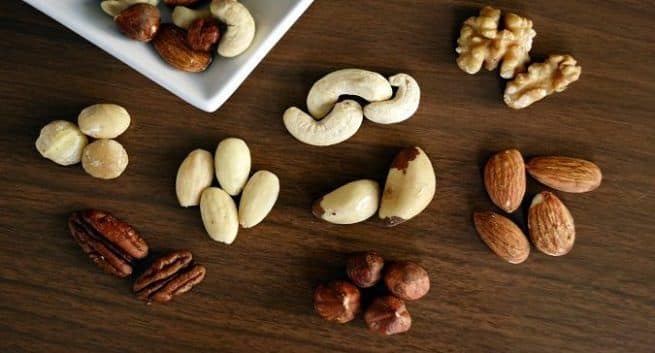
Diabetes is one of the major health concerns, affecting millions of people across the world. It is a lifestyle disease, meaning what you eat and how much you move plays a pivotal role in keeping your blood sugar levels in control. One food that can help you manage diabetes is nuts. These minuscule delights can easily be added to your diet and provide a multitude of health benefits.

Nuts Are Loaded With Nutrients

Nuts are a powerhouse of nutrients that can help you improve your health in more ways than one. They are loaded with antioxidants, fibre, protein, unsaturated fats, phytochemicals, vitamins and minerals. Although nuts are high in fat, they are high in healthy fats (monounsaturated and polyunsaturated) and low in unhealthy fats (saturated fats).

But Are Nuts Good For Diabetes?

Nuts are touted as one of the best foods for metabolic syndrome and type-2 diabetes. According to a study published in the Journal of the American College of Nutrition, regular consumption of nuts can decrease the prevalence of diseases such as cardiovascular diseases, metabolic syndrome and type 2 diabetes.

Nuts are low in carbs, which makes them a great alternative for high-carb foods that cause a blood sugar spike. Some nuts like almonds, peanuts and pistachios help alleviate “bad” cholesterol levels, too much of which can cause the arteries to narrow down. They also have a low glycaemic index, which is great for people with diabetes.

But some nuts are more beneficial to diabetics than others. Here is a list of nuts you can add to your diet.

Almonds

Almonds generally offer many nutritional benefits, but they are extremely beneficial for people with diabetes. Studies, over the years, have shown that almonds may alleviate the risk of blood sugar and reduce insulin levels after meals. They are also high in magnesium, which can help alleviate the risk of developing type 2 diabetes.

Cashews

A study published in the Journal of Nutrition found that a cashew-enriched diet can help reduce blood pressure and control cholesterol levels. Including cashews in the diet also had a positive effect on blood glucose levels.

Walnuts

Walnuts are a great source of dietary fibre. Fibres take more time to digest, thereby slowing down the release of sugar in the bloodstream. This helps build resistance for insulin, control blood levels and even mitigate the risk of developing type-2 diabetes. The GI of walnuts is also low.

Pistachios

Pistachios contain healthy fats, antioxidants, fibre and protein – all of which is healthy for diabetics. Like other nuts on the list, it also has a low GI. It also contains components that help relieve stress, induce sleep and improve overall health.

Peanuts

Rich in dietary protein, vitamin E, amino acids, polyphenolic antioxidants and dietary fibre, peanuts are an excellent option for diabetics. They are packed with essential B-vitamins and many other essential nutrients. With a GI index of 14, this wonder nut can help manage blood sugar. Magnesium in peanuts is also a plus.

Takeaway

Nuts like almonds, cashews, pistachios, peanuts and walnuts are good for diabetics. The best way to manage blood sugar levels is to eat a handful of nuts regularly. However, you must avoid the ones with added salt or other flavours. Also, it is essential to consult your doctor before making any changes in your diet.

https://www.thehealthsite.com/diseases-conditions/diabetes/diabetes-handful-of-these-nuts-can-help-you-manage-blood-sugar-levels-785707/ 

Tuesday, 11 February 2020

The Most Nutrient-Dense Low Carb Foods

From asweetlife.org

If you read ASweetLife often, you know that we believe a low-carbohydrate or ketogenic diet is key to managing both Type 1 and Type 2 diabetes. Keeping carbs low is the single best way to achieve tight, healthy, normal blood sugars, and is the best way to break the cycle of insulin resistance.
 However, people with diabetes need their diets to do more than just optimize their metabolism. They also need to derive nourishment from their diet, just like everyone else. And the keto diet can accommodate many different foods and ways of eating, ranging from fully vegan to the 100% meat “carnivore” diet, and many points in between. Some low-carbohydrate foods are nutrient dense, and some are nutrient poor, and it pays to know the difference.
Raphael Sirtoli, co-founder of Nutrita Pro, an app that tracks key foods and nutrition, explains how to get the right nutrients, and why it’s important.

What is nutrient density?

The healthfulness of any one food goes far beyond a simple accounting of its calories or macronutrients. We can examine the wholesomeness of foods with much greater detail, chiefly by looking at vitamin and mineral content.

“Nutrient density” is the best way to approach this topic, and it’s a crucial concept in nutrition. The more nutrient dense a food is, the more nutrients (vitamins, minerals) you get for a standard amount of the food, measured in grams or calories.

As far as calculations go, it’s pretty simple. In fact, it’s too simple. There are many reasons why it’s inaccurate. Here are 3 important ones:

  1. With the ‘per calories’ approach we end up inflating the nutritional value of plants because they’re less energy dense than animal foods on average
  2. The calculation assumes perfect absorption of vitamins and minerals, ignoring important differences in how nutrients are taken up and (processed for energy or structural roles)
  3. It doesn’t account for the fact that some nutrients come in inactive forms that carry a cost for being converted into active ones.
Government and corporation food labels ignore these facts. The nutrient density score in the Nutrita Pro does not.
People are nourished not only by essential vitamins and minerals, but also by essential amino acids (protein) and fatty acids (fat).
So, with this new tool to figure out a food’s nourishing level, let’s take a look at which foods are most nutritious.

1. Organ meats (offal)
Organ meats are probably the most nutrient-dense foods available, outranking fruits, vegetables and muscle meats in pure nutrient-density. They are particularly rich in B vitamins and in important minerals, such as iron and magnesium, that can be otherwise rare in common foods. Liver, for example, is packed with vitamins A (retinol) and riboflavin, copper, niacin and Vitamin B6. Some cuts, such as beef tripe and chicken feet, are particularly rich in gelatin (collagen).

Organ meats are often considered an acquired taste at best in today’s United States, but they are cherished ingredients in much of the world, from France to Mexico to China. With the right touch they could become a delicious part of your diet too.

2. Fish, shellfish, meat, eggs and dairy
Non-organ animal products are probably the second most nutritionally-dense group.
Beef is a truly complete source of protein – many so-called “carnivore” dieters appear to thrive essentially on beef alone! Ribeyes, which have a wonderfully delicious blend of lean and fat, contain plenty of vitamin B12 and minerals like iron, zinc, selenium and phosphorus.

Chicken eggs are close to nature’s ‘perfect food’ as they might be the single best source of protein – and it’s not just the egg whites. There’s something about eating the whole egg that improves muscle protein synthesis better than eating the same amount of protein alone. Eggs are an excellent source of pantothenic acid and choline.

Full-fat dairy such as blue vein cheese has a respectable overall nutrient density score and is a great source of protein. Interestingly, its healthy fat profile and high levels of fat-soluble vitamin K2 are thought to be responsible for full-fat dairy’s apparent protection from heart disease.

We’ve all heard that we should be eating more seafood, so it should come as no surprise to hear that fish like salmon are near the top of the nutrient-density charts. Salmon, one of the most popular varieties of rich, fatty fish, is a great source of the active forms of omega-3s (DHA and EPA). It also has lots of the active form of vitamin D3 (cholecalciferol), which helps maintain overall good health and strong bones. Other vitamins found in salmon are B3 (niacin), B5 (pantothenic acid) and B6 (pyridoxal 5’-phosphate).

Shellfish are also replete with nutrients. Clams are another excellent source of complete protein, and are rich in minerals like selenium, zinc and contain a lot of cobalamin (vitamin B12). Like many shellfish, they have a slight carbohydrate content, about 6 g of carbs for 10 small clams, a sizeable helping.

3. Green leafy vegetables, fruit and legumes
There’s a big drop in the average nutrient density of foods from group #2 to group #3.
Why do animal foods dominate the top of the list? This actually makes sense: animals harvest the nutrients from their food and masterfully concentrate them in their own bodies, converting nutrients from plants (and bacteria!) into their active forms. Also, animal foods are mostly made from the essential macronutrients fat and protein. Carbohydrate, the third macronutrient, is not actually essential. Animal foods also contain virtually all the essential micronutrients humans require to live.
Plant foods can certainly fit into a healthy, nutrient dense diet, although on their own (as in vegan diets) supplements become crucial. In practice it’s difficult to eat enough of even the most nutritionally dense vegetables, because they contain comparatively so little energy and nutrition in each mouthful.

Leafy green vegetables tend to contain the most nutrients, pound for pound, in virtue of being very low calorie. Kale contains quite a bit of the mineral manganese and vitamin C, both of which are hard to find in animal foods. Avocados are rich in the mineral potassium which helps normalize blood pressure, as well as vitamin B5 (pantothenic acid). Although avocados are known for their vitamin E content, it’s mostly in the inactive form (?-tocopherol). Only a small fraction can be converted into the active form (?-tocopherol).

You might be surprised to see that fruits are generally less nutritionally dense than commonly supposed. Typically, it is the less sweet fruits that are closer to their natural wild forms that pack in the most nutrients: blackberries and raspberries are good examples. Lemons are also a very low-sugar fruit, with lots of vitamin C.

Legumes aren’t good low-carb options, generally speaking, because of their high carbohydrate content. With some portion control, however, they can be incorporated into a healthful lower-carbohydrate diet. Consuming them after meat and greens lowers glycaemic excursions and can be a helpful technique for managing postprandial blood sugar levels.

One thing to note about legumes is that they contain a large number of anti-nutrients. Anti-nutrients are plant compounds that inhibit they body’s ability to absorb essential nutrients such as zinc, magnesium, potassium, iron and calcium. Because a typical nutrient density score does not factor in the effect of anti-nutrients, legumes may realistically be less nutrient dense than the Nutrition Facts label would have you believe.

Lima beans and black soybeans are some of the lower-carb legumes. They have similar nutritional profiles, with fair amounts of copper, manganese and magnesium.

The Least Nutritious Foods

The worst offenders are added sugar, flours, and high omega-6 seed oils. They should be avoided for three reasons.

First, they have terrible nutritional profiles, and are truly lacking in important micronutrient content. Flour, for example, needs to be fortified in order to avoid frank nutrient deficiencies. Second, they take up a large percentage of calories in the average diet and thus usually displace more nutrient dense options. Third, they interfere with normal metabolic responses and commonly induce chronic inflammation.

By eliminating the least nutritious foods, and focusing on nutrient-dense options, you increase your odds of being nutritionally sufficient. Fuelling your body with what it needs while avoiding blood sugar swings is a win for diabetes management.

https://asweetlife.org/the-most-nutrient-dense-low-carb-foods/?utm_source=ASweetLife.org+List&utm_campaign=464f8fa945-ASweetLife+Weekly+Update++-+Nov.+14%2C+2017_COPY_01&utm_medium=email&utm_term=0_5125b14cf8-464f8fa945-413392997